
Plants
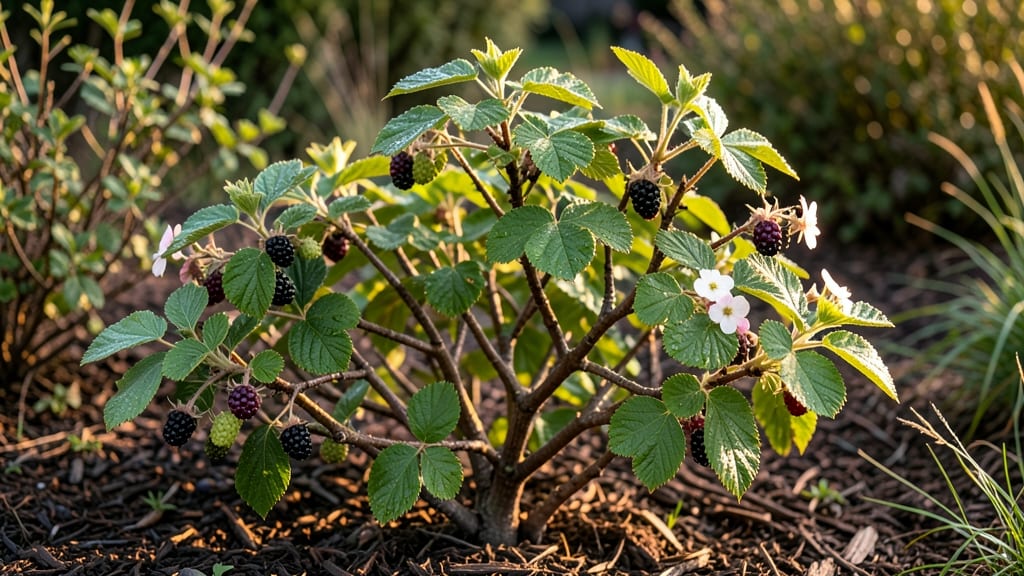
Yes, blackberry bushes are perennial plants that can thrive for 10-15 years or longer with proper care, producing new growth and fruit each year after establishing a strong root system. These hardy plants flourish in temperate climates and require regular pruning to maintain healthy regrowth.
Blackberry bushes earn their perennial status thanks to their deep, woody root systems that persist year after year. 🌱 Unlike annuals that die back completely, these plants send up new canes annually from their roots, ensuring continuous fruit production when given the right conditions.
The key to their longevity lies in understanding their two-year cane cycle—primocanes (first-year growth) and floricanes (fruit-bearing second-year growth)—which determines your pruning strategy for maximum yield.
What many gardeners don't realize is how climate plays a crucial role in their lifespan. While blackberries can handle cold winters down to -20°F, they truly excel in USDA zones 5-9 where they experience proper dormancy.
This seasonal rest period actually strengthens their root systems, allowing them to push out fresh canes each spring. The first 3-5 years are particularly critical for establishing a robust network of roots that will support decades of fruit production.
💡 In This Article
- Lifespan and Growth Cycle of Blackberry Bushes
- Pruning Schedule for Maximum Blackberry Yield
Lifespan and growth cycle of blackberry bushes
The perennial nature of blackberry bushes stems from their unique root system, which develops a complex network of woody roots that can extend 3-5 feet deep and spread 6-10 feet wide over time.
These roots contain specialized cells called meristems that remain dormant during winter but burst into activity each spring, sending up new canes. This biological mechanism allows the plant to regenerate annually from its established root base, unlike annual plants that complete their life cycle in one season.
Blackberries follow a distinctive two-year cane cycle that directly impacts their fruit production. Primocanes are the first-year growth—thin, green canes that emerge in spring and grow rapidly throughout the season. These non-fruiting canes store energy in their roots for next year's growth.
Then come the floricanes, the second-year canes that bear fruit before dying back. This cycle explains why proper pruning timing is critical: removing old floricanes after fruiting makes room for new primocanes to develop, ensuring continuous production.
The climate plays a pivotal role in this cycle, particularly through winter dormancy. Blackberry roots require a period of cold (30-40°F for 400-600 hours) to break dormancy properly. Without adequate chill hours, plants may produce weak canes or fail to fruit.
In warmer climates (zones 8-9), gardeners often see more vigorous growth but may need to prune more aggressively to control cane density. The first 3-5 years are especially crucial as the root system establishes itself, determining how many productive years the bush will have.
What most gardeners overlook is how the plant's age affects fruit quality. Young bushes (2-3 years old) produce smaller yields but develop stronger root systems. Mature bushes (5-10 years old) reach peak production but require more maintenance.
The oldest bushes (>15 years) often decline in vigor unless given special care like root pruning or division. This biological aging process explains why many commercial growers replace bushes every 10-15 years despite their perennial nature.
Consider these key factors that influence blackberry longevity:
- Root health: Healthy roots can live 20+ years if protected from soil compaction and disease
- Cane management: Proper pruning extends productive years by 30-50%
- Climate adaptation: Northern varieties handle -25°F while southern varieties prefer 20-30°F winters
- Nutrient availability: Well-drained soil with pH 5.5-6.5 prevents root rot
The secret to long-lived blackberry bushes lies in mimicking their natural growth patterns. Wild blackberries often thrive for decades with minimal intervention because they follow their primocane/floricanes cycle naturally. Domestic varieties need our help with strategic pruning and soil management to achieve similar longevity. 🌿