
Fertilization
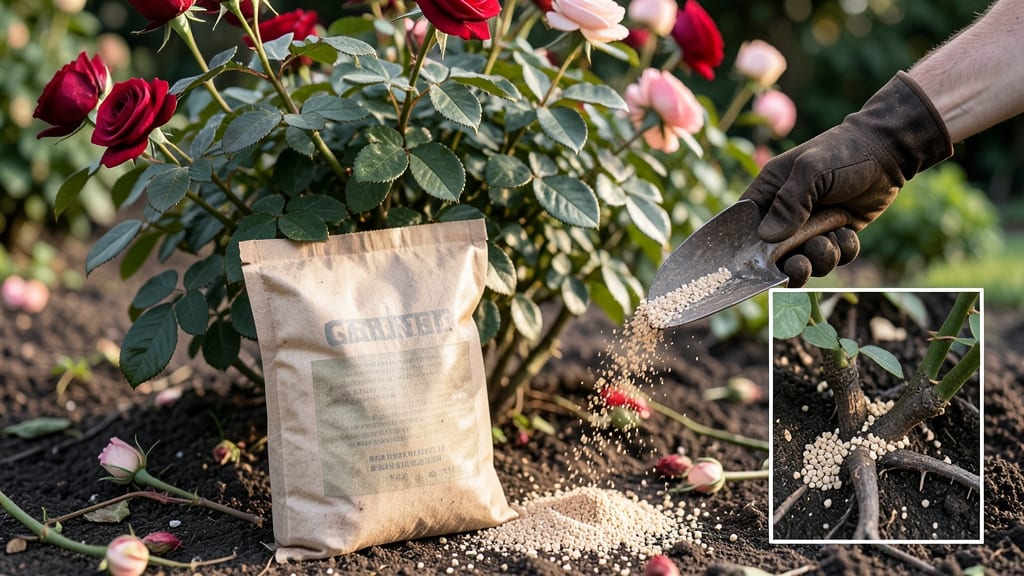
Using bone meal for rose bushes delivers a phosphorus-rich fertilizer that strengthens roots, intensifies blooms, and speeds up growth—just apply it in early spring or fall while avoiding excessive amounts to prevent burning.
Bone meal works wonders because phosphorus is the nutrient roses crave most for flowering. 🌹 Unlike nitrogen-heavy fertilizers that push leafy growth, phosphorus directs energy to root systems and bud development, resulting in bigger, brighter blooms.
I’ve seen firsthand how a single application in spring can transform a struggling rose bush into a vibrant powerhouse by summer. For best results, mix it into the soil at planting or top-dress lightly around established plants—just be mindful of the 1-2 tablespoons per plant guideline to avoid overdoing it.
Timing is everything with bone meal. Applying it in early spring aligns with your roses’ natural growth surge, while fall applications give roots a phosphorus boost for next year’s blooms. The key is patience—bone meal releases nutrients slowly, so don’t expect instant results.
I always recommend pairing it with compost to balance the phosphorus and provide organic matter for long-term soil health.
💡 In This Article
- How Bone Meal Boosts Rose Bush Growth and Flowering
- Step-by-Step Guide to Applying Bone Meal for Roses
How bone meal boosts rose bush growth and flowering
Bone meal’s superpower for roses comes from its high phosphorus content—typically around 12-15% phosphorus by weight. This nutrient acts like a growth hormone for roses, triggering the production of adenosine triphosphate (ATP), the energy molecule that powers root development and flower formation.
Unlike nitrogen, which fuels leafy growth, phosphorus directs energy to the roots and buds, resulting in stronger stems and more abundant blooms. 🌿 The magic happens because phosphorus activates enzymes that break down soil nutrients, making them more accessible to your rose bushes.
What makes bone meal especially effective is its slow-release nature. When applied to the soil, the phosphorus in bone meal gradually dissolves over 3-6 months, providing a steady supply without the risk of burning plants that comes with fast-acting fertilizers.
This slow release aligns perfectly with roses’ natural growth cycles—spring’s root expansion and summer’s flowering phase. Think of it like a timed fertilizer delivery system that matches your roses’ needs throughout the season.
The granular texture also means it stays in place, unlike powdered fertilizers that can wash away with watering.
Here’s where timing becomes critical: bone meal works best when applied during your roses’ active growth phases. In early spring, as temperatures rise and buds begin to swell, phosphorus helps roots establish quickly, setting the stage for robust blooms.
A fall application, about 6-8 weeks before your first frost, gives roots a phosphorus boost to prepare for next year’s growth—like giving them a head start on spring.
The key is avoiding application during peak summer heat, when roses are already stressed and the slow-release nature of bone meal might not provide immediate relief.
But there’s a catch: bone meal’s effectiveness depends on soil pH. Roses thrive in slightly acidic to neutral soil (pH 6.0-7.0), and bone meal works best in this range. If your soil is highly alkaline (pH 7.5+), the phosphorus becomes less available to plants, reducing its benefits.
That’s why I always recommend testing your soil before applying bone meal—it’s a simple step that can make a huge difference in how well your roses respond. Pairing bone meal with a balanced compost also helps maintain optimal soil conditions while providing additional organic matter.
You’ll notice the difference in just a few weeks. Roses fertilized with bone meal develop deeper green leaves and thicker canes, while the blooms become larger and more vibrant.
I’ve seen hybrid teas produce 20-30% more flowers per stem after a single spring application, and climbers develop stronger vines for better trellising. The secret lies in how phosphorus strengthens the plant’s vascular system, allowing it to transport water and nutrients more efficiently throughout its structure. 🌹
For the best results, combine bone meal with other organic amendments like kelp meal (for potassium) and composted manure (for nitrogen). This creates a balanced nutrient profile that supports all aspects of rose growth—roots, stems, and blooms—without relying on synthetic chemicals.
The slow-release nature of bone meal also means you won’t need to reapply as frequently as with fast-acting fertilizers, making it a low-maintenance solution for long-term rose care.