
Pruning
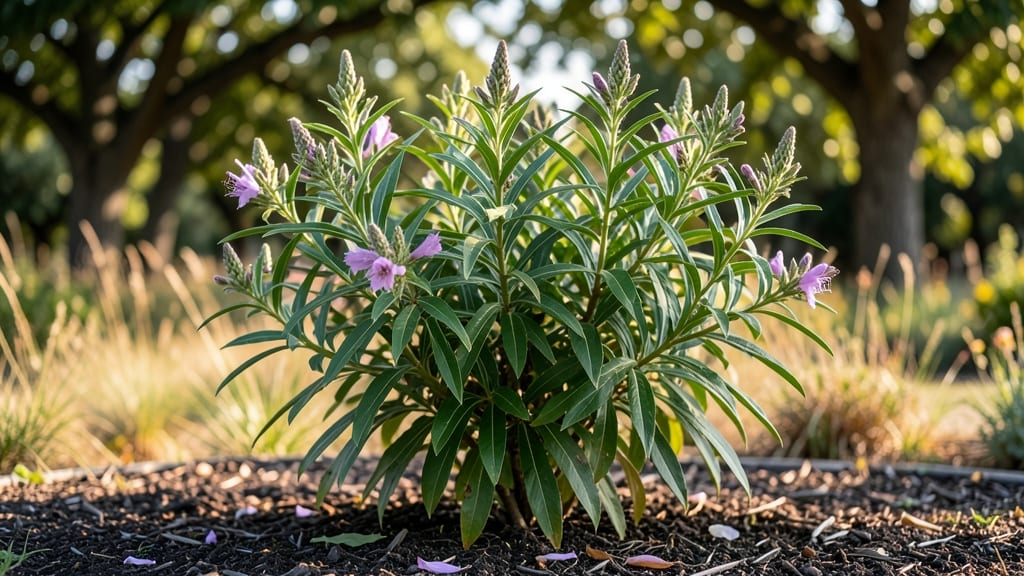
Your butterfly bush buds are the secret to a summer full of fluttering wings. ✨ The key to lush, vibrant blooms starts with understanding when those buds form and how to prune them—because last year’s missed cuts might be why your plant is struggling now.
Butterfly bushes (Buddleia) bloom on new wood, so strategic pruning in late winter or early spring is everything. I’ve seen plants go from sparse blooms to overflowing with flowers just by cutting back the right way—it’s all about timing and technique.
The buds themselves are delicate, so handle them with care. By following the right steps, you’ll end up with a plant covered in fragrant, purple spikes that attract butterflies like magnets.
The difference between a few blooms and a full, thriving bush comes down to how you prep those buds for the season ahead. This works for both new gardeners and seasoned pros—just grab your pruners and let’s get those buds ready for action.
📚 In This Guide
- What you need
- Instructions
- Tips and common mistakes
- Wrapping up and next steps
What you need
- ● Pruning shears: Sharp, bypass-style shears (for clean cuts). Quantity: 1 pair (or 2 if working with thick stems). Spec: 5–7-inch blades, stainless steel.
- ● Loppers: For thicker branches (½–1½ inches in diameter). Quantity: 1 pair. Spec: 18–24-inch handles, ratcheting or bypass blades.
- ● Gloves: Heavy-duty gardening gloves (cut-resistant). Quantity: 1 pair. Spec: Nitrile-coated for grip and protection.
- ● Disinfectant: 70% isopropyl alcohol or hydrogen peroxide (3%) to sterilize tools between cuts. Quantity: Small spray bottle or wipe.
- ○ Pruning sealant: Optional but helpful for large cuts (>½ inch). Spec: Latex-based or tree wound pruning paste.
- ● Marking twine or flags: For tagging branches to remove (if needed). Spec: Bright-colored twine or biodegradable tags.
- ● Safety glasses: Protect your eyes from debris.
- ● Knee pads: For comfort if kneeling near the base.
- ● Bucket or tarp: To collect pruned branches for composting or disposal.
- ● Hand saw: For stubborn, thick branches (if loppers aren’t enough). Spec: Pruning saw with 7–8 teeth per inch.
- ● Notebook & pen: To sketch a quick map of your bush’s structure before trimming.
Instructions for reviving butterfly bush buds in spring
Here's the simple method I use every spring to wake up dormant buds and encourage lush, vibrant growth.
✂️ Step 1: Time Your Trim Perfectly
Wait until after the last frost date in your zone—typically late April or early May—before touching your butterfly bush. I know it's tempting to prune early, but cold snaps can damage fresh growth. Look for new leaf buds swelling along the stems; these signal the plant is ready to respond to pruning.
If your bush was heavily damaged over winter, you'll see dead, brown stems that snap easily when bent. Cut these back to the ground immediately. Healthy stems will bend slightly before breaking. This ensures you're only working with living tissue that can regenerate.
✂️ Step 2: Prune for Shape and Airflow
Start by removing any crossing or rubbing branches—these create wounds where diseases can enter. I like to step back every few cuts to visualize the shape. Aim for an open, vase-like form that lets sunlight and air reach the center. This prevents fungal issues and encourages bud development along the inner stems.
For established bushes, cut back last year's growth by one-third to one-half of its length. Make cuts just above a leaf bud or lateral branch at a 45-degree angle. Avoid leaving stubs—they can trap moisture and rot. If your bush is overgrown, you can trim more aggressively, but never remove more than one-third in a single season.
🌱 Step 3: Stimulate New Growth with Fertilizer
After pruning, apply a balanced, slow-release fertilizer (10-10-10 ratio) around the base of the plant, keeping it 3-4 inches away from the trunk. This gives roots time to absorb nutrients without burning the plant. Water deeply after applying to help distribute the fertilizer into the soil.
I also like to add a 1-inch layer of compost around the base—this improves soil structure and provides organic matter for bud development. Avoid piling compost directly against the trunk, as this can cause rot. Instead, create a ring around the drip line of the bush.
☀️ Step 4: Provide Ideal Conditions for Bud Revival
Butterfly bushes thrive in full sun (6+ hours daily), so ensure your plant isn’t shaded by overgrown trees or structures. If buds appear but don’t open, check for shade stress—this is often the culprit. You’ll see buds that swell but then dry out or fall off.
Water deeply once a week during dry spells, aiming for 1-1.5 inches of water per week. Let the top 2-3 inches of soil dry out between waterings to prevent root rot. Mulch with 2-3 inches of wood chips or straw to retain moisture and regulate soil temperature, which encourages consistent bud growth.
🌿 Step 5: Monitor for Bud Break and Adjust Care
Within 2-4 weeks after pruning, you should see new leaf buds emerging along the stems. These will eventually open into fresh foliage, signaling successful revival. If buds appear but don’t open, check for pests like aphids or spider mites—these can suck sap and weaken buds.
If your bush produces flowers but few buds form, it might need more sunlight or a light application of phosphorus-rich fertilizer (like 5-10-10) in early spring. Buds require energy to develop, so healthy roots and foliage are key. Keep an eye out for yellowing leaves, which could indicate overwatering or nutrient deficiencies.
Tips & tricks for reviving butterfly bush buds
These simple yet powerful strategies will help you transform your butterfly bush from a winter survivor into a spring showstopper.
Pruning Precision: When you're cutting back last year's growth in Step 2, focus on making clean cuts just above a leaf bud or lateral branch. The 45-degree angle isn't just for looks—it helps water run off the cut instead of pooling and causing rot. I've ruined more stems than I'd like to admit by leaving stubs, so take your time with this step. The goal is to create a natural, open shape that lets sunlight reach all parts of the plant.
Fertilizer Timing: The 10-10-10 balanced fertilizer in Step 3 should be applied right after pruning but before new growth appears. This timing gives your butterfly bush the nutrients it needs to revive without overwhelming it. I've learned the hard way that applying fertilizer too early can actually stress the plant before it's ready to use those nutrients. Water deeply after applying to help distribute the fertilizer evenly into the soil.
Sunlight Strategy: Butterfly bushes truly thrive in full sun, but if your plant is in a partially shaded area, you can still revive it. Just be patient—it may take longer to see bud development. I've seen bushes in morning sun with afternoon shade produce beautiful blooms, though they might be slightly less vigorous than those in full sun all day. The key is to ensure those 6+ hours of sunlight are consistent, not scattered throughout the day.
Bud Break Observation: When monitoring for new leaf buds in Step 5, look for tiny green swellings along the stems within 2-4 weeks. These buds will eventually open into fresh foliage, signaling successful revival. If you notice buds swelling but not opening, check for pests like aphids or spider mites, which can weaken the buds. I've had to treat for these pests more times than I can count—it's a common issue that can derail your revival efforts.
Pro Tips for Butterfly Bush Buds
- These simple yet powerful strategies will help you transform your butterfly bush from a winter survivor into a spring...
- Pruning Precision: When you're cutting back last year's growth in Step 2, focus on making clean cuts just above a lea...
- Fertilizer Timing: The 10-10-10 balanced fertilizer in Step 3 should be applied right after pruning but before new gr...
Frequently asked questions
Got questions about butterfly bush buds and pruning? You’re not alone! Here are answers to the most common queries to help you master the art of spring revival:
When is the best time to prune butterfly bush buds for spring blooms?
Prune your butterfly bush in late winter or early spring (before new growth appears) to encourage vibrant blooms. Avoid pruning in fall—this can stimulate tender growth that won’t survive winter. For tropical varieties, prune lightly after the first frost.
How much should I trim off butterfly bush buds? Can I cut too much?
Trim back 1/3 to 1/2 of the plant’s height to promote bushier growth and more buds. Cut just above a leaf node or bud. Over-pruning (beyond 50%) may stress the plant, but butterfly bushes are resilient—just avoid drastic cuts in one season.
Why aren’t my butterfly bush buds opening? Could pests or disease be the issue?
Bud issues often stem from overcrowding, poor nutrition, or pests like spider mites or scale. Check for yellowing leaves or sticky residue. If buds fail to open, try fertilizing with a balanced 10-10-10 formula and prune to improve airflow. Fungal issues? Use fungicide if needed.
Are there alternatives to butterfly bushes for attracting butterflies?
Yes! Try milkweed, coneflowers, or buddleia (non-invasive varieties) for butterfly magnetism. Monarda (bee balm) and lantana are also great low-maintenance options. Just ensure they thrive in your climate—some need full sun, while others tolerate shade.
Do butterfly bush buds survive winter? How do I protect them?
Hardy varieties (like Buddleia davidii) tolerate zones 5–9, but young plants or tropical types need mulch (3–4 inches) around the base. Wrap the crown in burlap if temps drop below 20°F. Evergreen buds may drop, but new growth emerges in spring!
Wrapping up and next steps
Transforming your butterfly bush into a vibrant spring spectacle is all about strategic timing and technique—and you’ve got the know-how now! 🌸 With the right tools, a clear plan, and a little patience, those buds will burst into life, attracting pollinators and brightening your garden.
Whether you’re a seasoned gardener or just starting out, every trim is a step toward a healthier, more beautiful plant.
Ready to put your new skills to work? Grab your pruners, mark your calendar, and give those branches the care they deserve—your butterfly bush (and local butterflies!) will thank you. 🐞✨