
Pruning
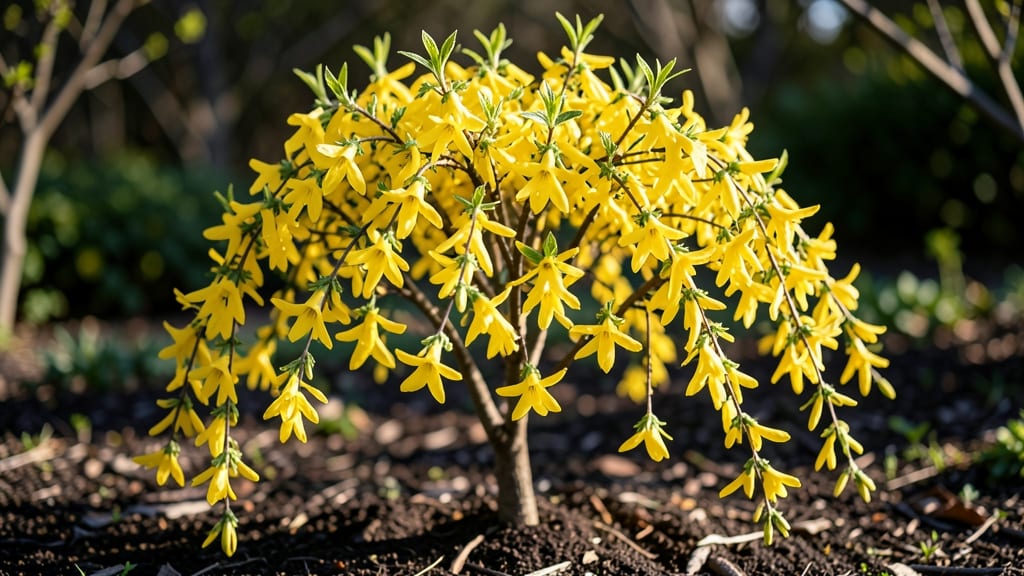
A forsythia bush size can range from 3 to 12 feet tall, depending on the variety and how you prune it—so planning ahead is everything if you want that bright yellow spring show without a jungle taking over your yard.
Picture this: You’ve just planted a 3-foot forsythia 🌸 in the perfect full-sun spot, only to watch it stretch toward the sky like a teenager at a growth spurt. Without the right spacing or pruning, what started as a charming accent can quickly become an unruly giant.
The good news? With a little foresight, you can keep it in check while still enjoying its stunning early blooms.
Not all forsythias grow the same—some stay compact at 5 feet, while others reach 12 feet if left unchecked. The key lies in choosing the right variety for your space and understanding how sunlight, soil, and pruning habits influence its growth over time.
Whether you’re designing a small garden bed or a bold backyard statement, getting the sizing right means fewer headaches and more happy blooms.
In this guide, I’ll break down the mature sizes of the most popular forsythia types, share spacing tricks to avoid overcrowding, and walk you through pruning techniques that keep your bush looking its best—no matter how big (or small) you want it to be.

Forsythia bush size chart: mature heights by popular varieties
Choosing the right forsythia variety depends on your garden space and design goals. These deciduous shrubs burst into bright yellow blooms each spring, but their mature sizes vary dramatically. Understanding these dimensions helps you plan for proper spacing, pruning needs, and long-term growth habits before planting.
Most forsythias reach maturity between 6 to 12 feet tall, but some dwarf varieties stay under 5 feet. Their spread can be just as wide as their height, creating a lush, rounded canopy.
The key to happy forsythias? Planting them in full sun locations with well-draining soil—this ensures they grow to their full, vibrant potential while staying healthy.
Below is a detailed size comparison of popular forsythia varieties, including their mature height, width, and growth habits. Use this chart to select the perfect size for your landscape design, whether you're creating a privacy hedge, border planting, or focal point shrub.
| Variety | Mature Height | Mature Width | Growth Rate | Best For |
|---|---|---|---|---|
| 'Lynwood' | 8–10 ft | 6–8 ft | Fast (2–3 ft/year) | Hedges, privacy screens |
| 'Northern Gold' | 6–8 ft | 5–7 ft | Moderate (1–2 ft/year) | Small gardens, containers |
| 'Spring Glory' | 3–5 ft | 3–4 ft | Slow (1 ft/year) | Dwarf hedges, borders |
| 'Spectabilis' | 10–12 ft | 8–10 ft | Fast (3+ ft/year) | Large landscapes, focal points |
| 'Dwarf Forsythia' | 2–3 ft | 2–3 ft | Very slow (6–12 in/year) | Rock gardens, containers |
| 'Korean Forsythia' | 6–9 ft | 5–7 ft | Moderate (1–2 ft/year) | Woodland edges, slopes |
If you're working with limited space, dwarf varieties like 'Spring Glory' or 'Dwarf Forsythia' are ideal. These stay under 5 feet tall and thrive in containers or small garden beds. For larger properties, 'Lynwood' or 'Spectabilis' create stunning privacy screens or landscape focal points.
One common misconception is that all forsythias grow aggressively. In reality, their growth rate depends on soil quality, sunlight exposure, and pruning habits. For example, 'Northern Gold' grows more slowly than 'Spectabilis', making it better suited for urban gardens where space is tight.
Always check the mature width too—some varieties spread nearly as wide as they grow tall!
For container gardening, choose dwarf or semi-dwarf varieties like 'Spring Glory'. These can be pruned annually to maintain a compact shape, perfect for balconies or patios. Just ensure your container has drainage holes and use a well-draining potting mix to prevent root rot.
When planning your landscape layout, consider how forsythias will interact with other plants. Their early spring blooms provide a stunning contrast to evergreens or late-blooming perennials.
For instance, pairing a 6-foot 'Northern Gold' with boxwood hedges creates a polished, layered look. Always leave 3–5 feet of clearance around the base for airflow and maintenance.
Remember, forsythias grow fastest in their first 3–5 years. If you plant a 10-foot variety near a walkway, it could quickly outgrow its space. To control height, prune in late winter or early spring before new growth begins. This encourages bushier growth and prevents leggy stems.
For urban or small gardens, consider multi-stemmed forsythias. These grow as clumping shrubs rather than single-trunk bushes, making them easier to manage in tight spaces. Varieties like 'Korean Forsythia' also handle partial shade better than others, giving you more
Optimal forsythia spacing for full sun gardens: how far apart to plant
When planning your full-sun garden, proper forsythia spacing prevents overcrowding while maximizing those stunning spring blooms. These shrubs thrive in sunny locations but need room to grow—especially taller varieties that can reach 10 feet or more.
I’ve learned the hard way that cramming them too close leads to poor airflow, which invites diseases like powdery mildew.
Your spacing strategy should account for mature size, soil fertility, and your pruning goals. For example, 'Northern Gold' grows wider than 'Spring Glory', so they need different spacing. Let’s break down the science-backed approach to give your forsythias the perfect home in your garden layout.
- 🌿 Dwarf varieties (3-5 ft): Space 3-4 feet apart for compact hedges or container growth. Ideal for small gardens or foundation plantings.
- 🌳 Semi-dwarf varieties (5-8 ft): Allow 5-6 feet of space between plants. Perfect for mid-sized gardens or mixed shrub borders.
- 🌻 Standard varieties (8-12 ft): Plant 8-10 feet apart to prevent root competition. Best for large landscapes or as standalone specimen plants.
- 💧 Well-draining soil: Increase spacing by 1-2 feet if your soil is heavy clay or poorly drained. Forsythias hate soggy roots!
- ✂️ Pruning intensity: Heavy pruning? Reduce spacing by 1 foot—pruned bushes stay smaller. Light pruning? Stick to standard spacing.
For full sun exposure, forsythias need at least 6 hours of direct sunlight daily. When planting, face them southward to maximize bloom intensity.
I always dig a hole twice as wide as the root ball to encourage outward root growth, which helps them establish faster in well-draining soil.
Another pro tip: If you’re planting multiple forsythias, stagger their positions in a triangular pattern rather than rows. This mimics natural growth habits and creates a more balanced garden aesthetic.
Just remember—forsythias grow faster in rich, loamy soil, so amend with compost if your native soil is sandy or rocky.
Finally, consider your long-term vision. Will these shrubs serve as a privacy screen, a focal point, or part of a mixed border? My Northern Gold forsythias now frame my patio beautifully, but I had to prune them back last year to keep them from shading my roses.
Proper spacing from day one saves headaches later!
With the right forsythia spacing, you’ll enjoy years of vibrant yellow blooms without the struggle. Start small, plan for growth, and watch your garden transform into a springtime masterpiece! 🌸