
How To
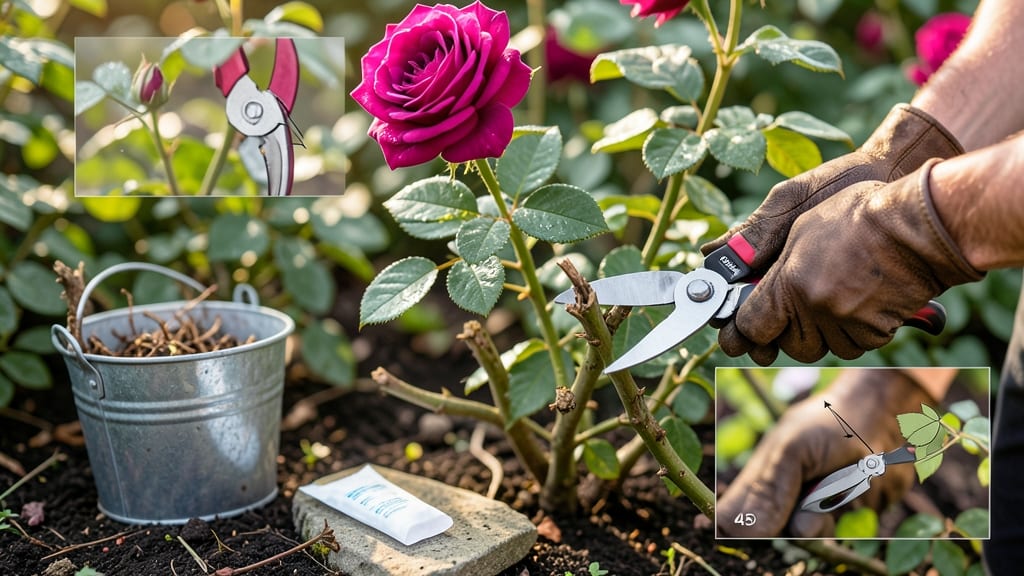
To properly trim a rose bush is the single most effective way to boost blooms, improve airflow, and keep your 🌹 thriving for years.
Struggling to keep your rose bushes blooming like a pro? The secret isn’t just water or sunlight—it’s mastering the art of seasonal pruning, which can transform a struggling bush into a lush, flower-filled masterpiece.
Most gardeners either prune too late, too aggressively, or at the wrong time—all of which lead to fewer blooms and weaker stems. But when you time your cuts right and use the correct techniques, you’ll see healthier growth and double the flowers.
In this guide, I’ll walk you through the exact steps for spring, summer, and fall pruning, the tools you need, and how to avoid the most common mistakes that sabotage even the most well-intentioned gardeners.
When and how to prune rose bushes by season for maximum blooms
Pruning your rose bushes at the right time and with the right technique can mean the difference between a few sad blooms and a lush, flower-filled spectacle. Unlike many plants, roses thrive when you guide their growth intentionally—and that starts with understanding seasonal pruning.
The key is timing: each season offers a unique opportunity to shape your roses for healthier stems, better air circulation, and more abundant blooms.
Whether you're working with hybrid teas, floribundas, climbing roses, or shrub roses, the principles change slightly, but the goal remains the same: encourage strong, vibrant growth.
Most gardeners make the mistake of pruning once a year and expecting miracles. But roses respond best to seasonal maintenance, with each cut serving a specific purpose.
For example, spring pruning removes winter damage and sets the stage for summer blooms, while summer pruning keeps your roses tidy and encourages a second flush of flowers. Even fall and winter pruning play crucial roles in preparing your roses for dormancy and protecting them from pests and disease.
Let’s break down the when, why, and how of pruning roses by season, so you can transform your garden into a blooming paradise.
| Season | Primary Goal | When to Prune | Key Techniques | Rose Types |
|---|---|---|---|---|
| Spring | Remove dead wood, shape bush, encourage new growth | Late March to early April (after last frost) | Cut back 1/3 of last year’s growth, open center for airflow | Hybrid Tea, Floribunda, Shrub |
| Summer | Maintain shape, deadhead spent blooms, encourage reblooming | After first bloom wave, every 4-6 weeks | Trim just above a leaf node, remove faded flowers | All types (except once-blooming) |
| Fall | Prepare for winter, remove diseased wood, reduce foliage | October to early November (before first frost) | Cut back 1/2 of current season’s growth, seal cuts | Climbing, Shrub, Hybrid Tea |
| Winter | Minimal pruning, protect from cold, remove dead canes | Dormant season (avoid heavy pruning) | Trim only dead/diseased wood, wrap vulnerable canes | All types |
Let’s start with spring pruning, the most critical time to set your roses up for success. As soon as the last frost date has passed (typically late March to early April in most climates), it’s time to grab your pruners and get to work.
Your goal here is to remove dead, diseased, or crossing branches while shaping the bush to encourage strong, outward growth. For hybrid teas and floribundas, aim to cut back 1/3 of last year’s growth, making cuts just above a healthy outward-facing bud.
This opens up the center of the bush, allowing better air circulation and reducing the risk of fungal diseases like black spot.
For climbing roses, spring pruning is all about training and shaping. These roses need a more delicate touch—focus on removing weak or crowded canes and guiding the strongest stems along their support structure.
Avoid heavy pruning, as climbing roses bloom on old wood, and aggressive cuts can reduce next year’s flowers. Shrub roses, on the other hand, are more forgiving. Prune them lightly to maintain their natural shape and remove any dead or damaged wood.
The key is to avoid over-pruning, as shrub roses often bloom on both old and new wood.
Moving into summer pruning, your focus shifts to maintenance and encouraging reblooming. After your roses finish their first major bloom cycle (usually in early summer), it’s time to deadhead spent flowers and trim back any overly leggy growth.
For repeat-blooming roses, cutting just above a leaf node with 5 healthy leaves encourages the bush to produce new shoots that will flower again later in the season. This is also the time to thin out crowded areas to improve airflow and reduce humidity, which can prevent fungal issues.
Pro tip: sterilize your pruners with rubbing alcohol between cuts to avoid spreading disease.
As summer winds down, fall pruning becomes essential for preparing your roses for winter. In October or early November, before the first frost, cut back about half of the current season’s growth. This reduces the amount of foliage that could harbor pests or diseases over winter.
For hybrid teas and floribundas, this is also a good time to shorten last year’s canes by about 1/2 to 2/3, leaving 3-5 strong buds on each stem. Climbing roses should be pruned lightly, focusing on removing weak growth and shaping the plant for next year’s blooms.
Always seal larger cuts with pruning paint to prevent moisture loss and infection.
Finally, winter pruning is minimal but critical. During dormancy, avoid heavy pruning, as roses are vulnerable to cold damage. Instead, focus on removing any dead, broken, or diseased wood
Common rose pruning mistakes that kill blooms (and how to avoid them)
Even experienced gardeners accidentally sabotage their rose bushes with pruning blunders. One wrong cut can mean fewer blooms or even plant stress. I’ve seen over-pruned roses struggle to recover, while others suffer from disease spread due to improper cuts. The key is understanding what not to do—and when.
Your roses might look healthy, but hidden mistakes like cutting at wrong angles or ignoring dead wood can starve your plant of energy. These errors reduce airflow, invite pests, and limit flower production. Let’s fix these before your next pruning session.
⚠️ Warning: These Pruning Mistakes Are Killing Your Blooms
Don’t let these common errors turn your roses into bloomless shrubs. Here’s how to correct them immediately:
- ✂️ Wrong Cutting Angle: Always cut at a 45-degree angle, ¼” above an outward-facing bud. Flat cuts invite rot.
- 🌱 Over-Pruning: Never remove more than ⅓ of the plant in one session. Severe cuts shock the rose.
- 💀 Ignoring Dead Wood: Blackened or hollow stems must be cut back to healthy green wood. Leave them, and disease spreads.
- ⏰ Pruning at Wrong Time: Never prune in fall (except light cleanup). Wait until late winter/early spring for major cuts.
Let’s tackle the top 3 pruning sins first. Over-pruning is the most damaging—some gardeners cut back roses too aggressively in spring, thinking it encourages growth. But roses need their framework branches to support blooms.
I’ve seen bushes stripped down to bare stems, leaving them vulnerable to frost and unable to rebound.
Next, cutting at the wrong angle is a silent killer. A flat cut leaves a moisture trap where bacteria thrive. Always aim for a 45-degree slant, just above a bud.
This directs water away from the wound and encourages new growth in the right direction. Pro tip: Face the bud outward to avoid inward-growing branches that crowd the center.
Don’t skip dead wood removal—it’s not just about looks. Blackened or mushy stems harbor fungal spores that can spread to healthy tissue. Use sterilized shears and cut back to the nearest green, healthy stem.
If you’re unsure, sniff the stem: a rotten smell means it’s time to remove it.
Finally, pruning at the wrong time can set your roses back a full season. Fall pruning stimulates new growth that won’t harden off before winter, leaving tender shoots vulnerable to frost.
Wait until late winter (just before buds swell) for major cuts. For climbing roses, prune after flowering to maintain their vertical structure.
Remember: Patience pays off. Roses reward careful pruning with bigger, healthier blooms and fewer pests. Next time you grab your shears, double-check these fixes—and watch your roses thrive. 🌹