
Pruning
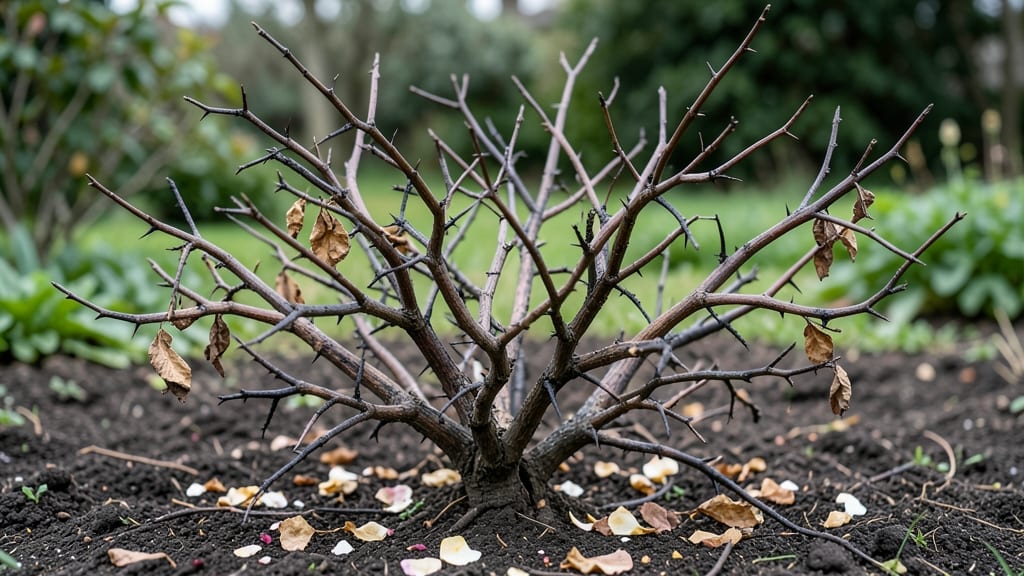
To revive an unhealthy dead rose bush, act fast by pruning dead stems back to 6 inches, testing soil moisture and drainage, and feeding it with diluted fertilizer or compost. The issue is often overwatering or disease, so examine leaves and roots before treating.
Dead rose bushes don't always mean game over—many can bounce back with the right care. 🌿 The first step is diagnosing the problem: yellowing leaves often signal overwatering, while brown crispy edges point to underwatering or nutrient deficiency.
Fungal diseases like black spot appear as dark spots with yellow halos, while pests leave behind chewed leaves or sticky residue. I've seen rose bushes recover fully after just one season of targeted treatment, so don't lose hope if yours looks beyond saving at first glance.
Once you've identified the issue, focus on three key areas: proper pruning to remove dead wood, improving soil health with organic matter, and establishing consistent watering habits.
For fungal issues, a mix of neem oil and baking soda spray can work wonders, while nutrient deficiencies respond well to compost tea or slow-release fertilizer. The goal is to create an environment where your rose bush can rebuild its strength rather than just masking symptoms.
💡 In This Article
- Identifying Why Your Rose Bush Looks Dead
- Step-by-Step Recovery Plan for Dying Rose Bushes
Identifying why your rose bush looks dead
The first step in reviving a struggling rose bush is understanding what's causing its decline. Overwatering is the most common culprit, and you'll notice this through yellowing leaves that feel mushy to the touch or stems that appear blackened at the base.
The soil will often smell sour or have a grayish hue, indicating poor drainage. On the flip side, underwatering causes leaves to curl inward and develop crispy brown edges, while the soil pulls away from the pot or feels bone-dry even at the 2-inch depth.
Fungal diseases like black spot or powdery mildew create distinct visual clues: dark purple-black spots with yellow halos on leaves (black spot) or white powdery coatings on stems and foliage (powdery mildew). These pathogens thrive in humid conditions, so check for poor air circulation around your rose bush.
Another red flag is the presence of pests—aphids leave behind sticky honeydew residue, while spider mites create fine webbing between leaves. The roots themselves tell a story too: healthy roots should be white or light tan, while rotted roots appear mushy and dark brown.
Nutrient deficiencies reveal themselves through specific leaf patterns: yellowing between veins suggests nitrogen deficiency, while purple stems or undersides of leaves indicate phosphorus or potassium shortages. A simple soil test kit (available for under $20) can confirm these suspicions by measuring pH levels and nutrient concentrations.
Roses prefer slightly acidic soil between 6.0-6.5 pH, and any deviation from this range can stress the plant. I've seen roses with pH levels as low as 5.0 struggle to absorb essential nutrients, even when watered properly.
Seasonal factors also play a crucial role in diagnosis. Winter dieback is normal as roses enter dormancy, but if you notice new growth appearing only to wilt immediately, it could signal root damage from freezing temperatures. In contrast, summer wilting often points to heat stress or insufficient water uptake.
Pay attention to when symptoms first appeared—sudden issues suggest environmental factors, while gradual decline usually indicates chronic problems like poor soil quality or disease buildup.
One diagnostic technique I've found particularly effective is the "finger test" for root health. Gently dig down about 6 inches and examine the roots: healthy roots should spring back when touched, while rotted ones will collapse.
This simple test can reveal whether your rose bush is suffering from root rot before you see above-ground symptoms. Remember that roses are resilient plants—many can recover if you catch issues early and address them systematically.
For a more comprehensive assessment, consider taking a small soil sample to your local cooperative extension office. They can perform professional testing that identifies not just pH but also micronutrient levels like iron, manganese, and zinc—deficiencies in these often go unnoticed until the plant shows severe stress symptoms.
This level of detail can mean the difference between a temporary fix and a complete recovery for your rose bush.