
Pruning
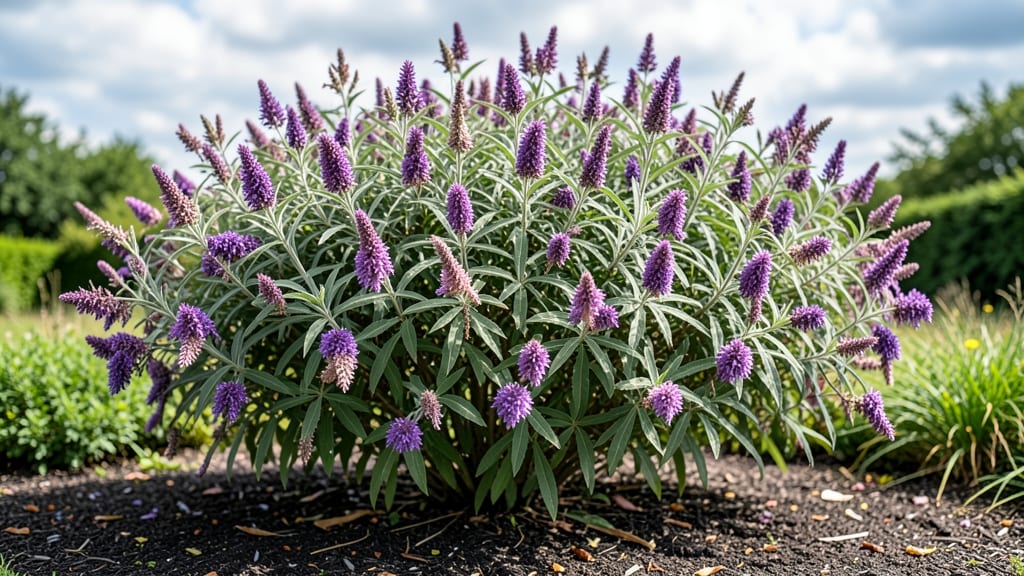
Your butterfly bush could become the pollinator magnet of your neighborhood this summer. 🌿 I planted mine in early spring and watched it transform from a bare stem into a buzzing, blooming superstar within months—drawing monarchs, swallowtails, and hummingbirds that never visited before.
The key starts with location: full sun and well-draining soil are non-negotiable. My first attempt in heavy clay nearly killed it, but switching to a raised bed with compost changed everything. Varieties like 'Black Knight' add drama with deep purple blooms, while 'Lo & Behold®' stays compact for smaller spaces.
With the right pruning (I cut mine back by half in late winter), you'll get longer bloom seasons and healthier growth. The fragrance alone—sweet and intoxicating—makes it worth growing, even if butterflies weren't your goal. Works in zones 5-9, thrives in containers, and handles drought once established.
Let's get yours growing!
📚 In This Guide
- What you need
- Instructions
- Tips and common mistakes
- Wrapping up and next steps
What you need
- ● Butterfly bush plant: 1–3 plants (depending on desired size; dwarf varieties like Buddleja davidii ‘Nanho Blue’ or standard types like Buddleja davidii ‘Black Knight’).
- ● Pruning shears: 1 pair (bypass pruners, sharp and clean, for clean cuts).
- ● Gloves: 1 pair (gardening gloves to protect hands from thorns or sap).
- ● Fertilizer: 1 bag of balanced, slow-release fertilizer (10-10-10 or 20-20-20) or organic compost (e.g., well-aged manure or worm castings).
- ● Mulch: 2–3 bags of organic mulch (e.g., shredded bark or pine straw) to retain moisture and suppress weeds.
- ● Watering can or hose: 1 (with a gentle spray nozzle for new plants).
- ● Pruning saw: 1 (for thicker stems or large branches).
- ● Disinfectant (e.g., rubbing alcohol or bleach solution): To clean pruners between cuts and prevent disease.
- ● Staking or support: 1–2 stakes (if planting in windy areas or for young, top-heavy bushes).
- ● Pollinator-friendly companion plants: 1–2 packets of seeds or transplants (e.g., coneflowers, milkweed, or salvia) to enhance your garden’s appeal.
- ● Plant markers: 1 set (to label varieties if testing multiple butterfly bushes).
- ● A sunny location with at least 6–8 hours of direct sunlight daily (butterfly bushes thrive in full sun!).
- ● Well-draining soil (amend heavy clay with compost or sand if needed).
- ● Space to grow: 3–5 feet wide and tall (dwarf varieties may stay smaller).
- ● Patience! Butterfly bushes are fast growers but benefit from annual pruning to encourage bushier blooms.
Step-by-step instructions for planting and cultivating a thriving butterfly bush
Here's how to grow a pollinator magnet that blooms reliably all season—no guesswork involved.
🌱 Step 1: Choose the Perfect Planting Site and Soil
Butterfly bushes thrive in full sun—at least 6 hours of direct sunlight daily. I always pick the sunniest spot in my yard because these plants reward generous light with abundant blooms. The soil should drain well but retain moisture; amending heavy clay with 3-4 inches of compost works wonders if your native soil is compacted.
Dig a hole twice as wide as the root ball but only as deep—planting too deep suffocates the roots. Loosen the edges of the hole with a shovel to encourage root spread. Here's the thing—if your soil is sandy, mix in 2-3 inches of peat moss to help retain moisture for those critical first weeks.
☀️ Step 2: Plant at the Right Time and Depth
Spring or early fall planting gives roots time to establish before extreme temperatures. I plant mine in early May when soil warms to 60°F—any earlier risks frost damage, and later means summer heat stress. Handle the root ball gently; if it's root-bound, tease the edges with your fingers to encourage outward growth.
Position the plant so the top of the root ball sits 1 inch below soil level. This prevents stem rot while allowing roots to access moisture. Backfill with native soil mixed with 1 cup of balanced 10-10-10 fertilizer per plant. Water deeply immediately after planting—this settles the soil and eliminates air pockets around the roots.
💧 Step 3: Water Consistently and Mulch to Retain Moisture
Keep the soil evenly moist but not soggy for the first 4-6 weeks. You'll know you're doing it right when the top 2 inches of soil feel damp but not waterlogged. Overwatering here leads to root rot, which is a silent killer. Once established, butterfly bushes tolerate drought but still need 1 inch of water weekly during dry spells.
Spread 2-3 inches of mulch (wood chips or shredded bark) around the base, keeping it 3 inches away from the stem. This conserves moisture, regulates soil temperature, and suppresses weeds. I always refresh the mulch in early spring—it breaks down over winter and loses effectiveness.
✂️ Step 4: Prune for Health and More Blooms
Prune in late winter or early spring before new growth begins. Cut back the previous year's stems by ⅓ to ½ to encourage bushier growth and more flowers. Remove any dead, diseased, or crossing branches first—they compete with healthy growth. Here's where it gets fun: if you want longer blooming seasons, cut back again after the first flush of flowers in mid-summer.
Always use clean, sharp pruners to make cuts at 45-degree angles just above a leaf node. Never leave stubs—this invites disease. After pruning, apply a slow-release fertilizer to support the plant's recovery and next season's blooms. You'll see new growth within 7-10 days if everything is right.
🌿 Step 5: Maintain Year-Round Interest and Pollinator Appeal
Deadhead spent blooms regularly to encourage more flowers and prevent seed formation. I do this every 2-3 weeks during peak bloom season. The more you remove faded flowers, the more the plant redirects energy into new blooms. Butterfly bushes are low-maintenance, but this one step makes a huge difference in their performance.
In late fall, cut back the stems by half again to tidy the plant and remove any diseased wood. Leave the mulch in place over winter—it protects roots from freezing temperatures. Here's the secret to year-round blooms: plant multiple varieties with different bloom times. This creates a continuous nectar source for pollinators from early summer to frost.
Tips & tricks for cultivating a thriving butterfly bush
These little details make all the difference between a struggling plant and a pollinator paradise.
Sunlight Strategy: That 6 hours of sunlight is non-negotiable, but here's the secret: position your butterfly bush where it gets morning sun and afternoon shade if you live in a hot climate. I've seen plants in full afternoon sun wilt dramatically by 3 PM—shade helps them recover. Also, if you're planting near trees, choose a spot where the canopy won't close in within 5 years.
Soil Science: The 3-4 inches of compost recommendation is perfect for most soils, but here's what I learned the hard way: if your soil tests acidic (below pH 6.0), mix in 1 cup of lime per planting hole. Butterfly bushes prefer slightly alkaline soil around pH 6.5-7.5. You can test your soil with a simple kit from your local garden center for just a few dollars.
Planting Precision: That 1-inch depth placement below soil level is critical—it's the difference between a thriving bush and one that struggles with rot. Here's my trick: use a level to ensure the root ball sits perfectly straight. I also make a small mound of soil in the center of the hole before placing the plant, which helps with drainage and prevents water pooling around the stem.
Watering Wisdom: Those first 4-6 weeks are make-or-break for root establishment. I set up a simple drip irrigation system on a timer for 15 minutes every morning during this period—it's more consistent than hand-watering. And when checking soil moisture, stick your finger in about 2 inches deep; surface moisture doesn't tell the whole story about what's happening at root level.
Pro Tips for A Butterfly Bush
- These little details make all the difference between a struggling plant and a pollinator paradise.
- Sunlight Strategy: That 6 hours of sunlight is non-negotiable, but here's the secret: position your butterfly bush where it gets morning sun and afternoon shade if you live in a hot climate.
- Soil Science: The 3-4 inches of compost recommendation is perfect for most soils, but here's what I learned the hard way: if your soil tests acidic (below pH 6.0), mix in 1 cup of lime per planting hole.
Frequently asked questions
Got questions about growing and maintaining your butterfly bush?
You’re not alone! Here are answers to the most common queries to help you keep your pollinator magnet thriving.
Is a butterfly bush invasive in my area?
A butterfly bush (Buddleia) is considered invasive in some U.S. states, like New York, New Jersey, and Connecticut, where it spreads aggressively. Check your local invasive species database before planting. Opt for sterile cultivars (like Buddleia davidii ‘Lo & Behold’) if you’re in a high-risk zone.
When and how should I prune my butterfly bush?
Prune late winter or early spring (before new growth starts) to shape the plant and encourage blooms. Cut back 1/3 to 1/2 of the previous year’s growth—never prune into old wood. For hard pruning, reduce stems to 6–12 inches above the ground. Never prune in fall, as it removes next year’s flower buds!
Why aren’t butterflies visiting my butterfly bush?
Butterflies may avoid your bush if it’s not in full sun (6+ hours daily), lacks water sources nearby, or has been over-fertilized (which reduces nectar quality). Try adding native milkweed or coneflowers nearby and avoid pesticides. Buddleia blooms best in poor, well-draining soil—rich soil can reduce nectar production.
Can butterfly bushes survive winter in cold climates?
Most butterfly bushes are hardy to USDA Zones 5–9, but young plants or tender varieties may need mulch or burlap wrapping in harsh winters. Prune after the last frost to avoid frost damage to new growth. In Zone 4 or colder, grow them in containers and overwinter indoors or use a cold frame.
What are good alternatives if I can’t grow a butterfly bush?
If invasiveness or climate is a concern, try these pollinator-friendly alternatives:
- Butterfly Weed (Asclepias tuberosa) – Drought-tolerant, attracts monarchs.
- Coneflower (Echinacea purpurea) – Long-blooming, low-maintenance.
- Bee Balm (Monarda didyma) – Loved by hummingbirds and bees.
- Russian Sage (Perovskia atriplicifolia) – Drought-resistant, deer-resistant.
Wrapping up and next steps
Growing a butterfly bush is a rewarding way to support pollinators while adding vibrant color to your garden year-round! 🌸 With the right pruning techniques, soil care, and a little patience, you’ll transform your outdoor space into a thriving haven for butterflies, bees, and hummingbirds.
Whether you’re a seasoned gardener or just starting, every step you take makes a difference for these essential creatures.
Ready to take the next step? Start small—plant one butterfly bush this season and watch your garden bloom with life! Share your progress with fellow gardeners or explore more pollinator-friendly plants to expand your eco-friendly oasis. Happy gardening! 🌿✨