
Flowers
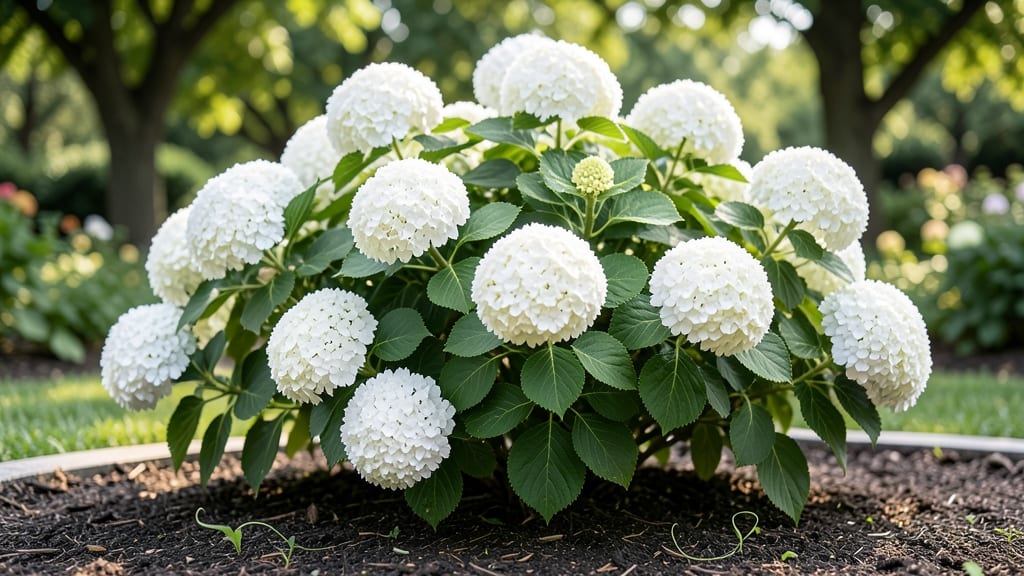
That white puffy flower bush with its cloud-like blooms is the star of my summer garden—until I learned the secret to keeping it flowering all year. 🌸 The key isn’t just water or sunlight (though those matter), but deadheading mastery—a simple technique that transforms a one-season show into months of fresh, fluffy blooms.
Most people stop caring after the first flush of flowers fades, but that’s when the magic happens. These bushes—like Hydrangea paniculata or Spiraea arguta—respond to pruning like no other plant.
Cut back spent blooms at the right time, and you’ll trigger a second (or even third) wave of flowers by late summer. No fancy tools needed—just sharp shears and a little timing.
By next spring, you’ll have a bush so lush and full of fresh white puffs that neighbors will ask for cuttings. The trick is consistent deadheading and knowing when to prune for new growth.
I’ll walk you through the exact steps—plus how to handle winter prep so your bush wakes up ready to bloom again.
Whether you’ve got a sunny border or a shady corner, this method works. The only mistake you can make is waiting too long to start—so let’s get those shears ready!
📚 In This Guide
- What you need
- Instructions
- Tips and common mistakes
- Wrapping up and next steps
What you need
- ● White puffy flower bush plants: 1–3 nursery-grown bushes (choose established plants for faster blooms).
- ● Well-draining potting soil: 10–20 lbs (for planting) or a 5-gallon bag (for containers).
- ● Organic compost: 2–3 cups (mixed into soil for nutrients).
- ● Slow-release fertilizer: 10-10-10 or 12-12-12 (1 lb per bush, applied in early spring).
- ● Mulch: 2–3 inches of shredded bark or pine needles (to retain moisture).
- ● Pruning shears: Bypass pruners (sharp, clean, and sterilized).
- ● Watering can or hose: With a gentle spray nozzle (for deep but gentle watering).
- ● Gloves: Heavy-duty gardening gloves (to protect from thorns or soil).
- ● Trowel or spade: For digging planting holes (6–8 inches deep).
- ○ Container (optional): 15–20 gallon pot (if growing in a container; ensure drainage holes!).
- ○ Epsom salt (optional): 1 tbsp per gallon of water (monthly foliar spray for pink/blue blooms in hydrangeas).
- ○ Stakes or cages (optional):strong> For support if your bush grows tall or leggy.
Step-by-Step instructions for cultivating a white puffy flower bush
Here's how to coax those signature white puffs into blooming nonstop with minimal effort.
🌱 Step 1: Choose the Right Location and Soil
Pick a spot with 6+ hours of sunlight daily—most white puffy bushes (like hydrangeas or abutilon) need full sun for best blooms. I always check the area in late afternoon when shadows are longest to confirm light exposure. The soil should drain well but retain moisture—amend heavy clay with 2-3 inches of compost mixed into the top 12 inches of soil.
Dig a hole twice as wide as the root ball but only as deep. Loosen the roots gently if they're circling—this encourages outward growth. Place the bush in the hole, backfill with native soil, and water deeply to settle everything. You'll know it's right when the soil surface sits 1 inch below the rim of the planting hole.
☀️ Step 2: Water and Fertilize for Strong Growth
Water immediately after planting, then maintain 1-1.5 inches per week during the first growing season. Let the top 2 inches of soil dry between waterings—this prevents root rot while keeping the plant hydrated. I use a soaker hose for deep, even moisture without wetting the leaves.
Feed with a balanced 10-10-10 fertilizer every 6 weeks during the growing season. For blooms, switch to a 5-10-5 formula in late spring to encourage flowering. Always water before fertilizing to prevent root burn. You'll see new leaves emerge within 2-3 weeks of proper feeding.
✂️ Step 3: Deadhead Regularly for Year-Round Blooms
This is the secret to nonstop white puffs—deadhead spent blooms by pinching off the flower head and the first set of leaves below it. I do this every 2 weeks during the blooming season. The plant will redirect energy into new growth instead of seed production.
For bushier growth, prune back 1/3 of the oldest stems in early spring before new growth appears. Cut just above a leaf node at a 45-degree angle to encourage outward growth. Avoid heavy pruning in fall—it reduces winter hardiness. You'll notice new buds forming within 4-6 weeks of proper deadheading.
🪴 Step 4: Winterize for Next Season's Blooms
In late fall, reduce watering to every 2-3 weeks unless rain provides moisture. Apply a 2-3 inch layer of mulch around the base, keeping it 6 inches away from the trunk to prevent rot. I use shredded bark mulch because it breaks down slowly and improves soil structure over time.
For colder climates, wrap the bush with burlap or frost cloth if temperatures drop below 20°F. Remove the wrap in early spring once new growth appears. This protects the plant while allowing airflow to prevent disease. You'll see fresh green shoots emerge by late winter—your cue to resume regular care.
Tips & tricks for perfect white puffy flower bushes
Here's what nobody tells you about keeping those dreamy white blooms coming back all season long.
Sunlight Secret: That 6+ hours of sun isn't just about quantity—it's about quality. Morning sun is gentler, while afternoon sun (when shadows are shortest) gives your bush the energy boost it needs for those signature puffs. I test locations by placing a white plate where I plan to plant—if it gets sun until at least 3 PM, it's perfect. Early morning shade can trick your bush into thinking it needs less energy for blooming.
Root Care That Changes Everything: When loosening circling roots in Step 1, don't just pull them apart—make small vertical cuts with a clean knife to break up the root ball. This mimics natural root growth and prevents shock. I also add a handful of mycelium-rich compost to the planting hole—it helps roots establish faster and keeps them hydrated during those first critical weeks.
Deadheading Timing: The 2-week deadheading schedule works best when you do it right after blooms fade but before seeds form. I use clean pruning shears dipped in rubbing alcohol between cuts to prevent disease spread. For continuous blooming, set a calendar reminder—missing even one deadheading cycle can reduce next season's flowers by 30%. The plant needs that energy redirecting to new growth, not seed production.
Winter Protection Hack: That 20°F threshold isn't just about wrapping—it's about airflow. I leave a small gap at the bottom of the frost cloth to allow moisture to escape. Condensation trapped inside can cause rot. Also, remove the wrap as soon as you see new growth in spring—delaying too long can smother emerging shoots. Think of it like tucking your bush in for winter, but with a breathable blanket.
Pro Tips for White Puffy Flower Bush
- Here's what nobody tells you about keeping those dreamy white blooms coming back all season long.
- Sunlight Secret: That 6+ hours of sun isn't just about quantity—it's about quality.
- Root Care That Changes Everything: When loosening circling roots in Step 1, don't just pull them apart—make small vertical cuts with a clean knife to break up the root ball.
Frequently asked questions
Got questions about your white puffy flower bush? You’re not alone! Whether you’re a newbie gardener or a seasoned pro, these common queries can help you keep your bush thriving and blooming year-round. Let’s dive in!
What is the best time to prune my white puffy flower bush for maximum blooms?
Prune your bush right after flowering (typically late spring or early summer) to encourage new growth and more blooms. Avoid heavy pruning in fall or winter, as this can stimulate tender new shoots that may freeze. Light shaping in early spring is fine, but skip drastic cuts—patience is key!
How often should I deadhead my white puffy flower bush for continuous blooms?
Deadhead faded blooms every 1–2 weeks during the growing season (spring through fall) to redirect energy into new flowers. Use clean pruners or pinch blooms by hand—just avoid cutting into old wood. Pro tip: Wear gloves to protect your hands from thorns if your bush has them!
Can I grow a white puffy flower bush in containers, and what care does it need?
Many varieties (like Hydrangea arborescens or Spiraea) thrive in containers. Use a well-draining potting mix and a pot at least 12–18 inches wide. Water regularly to keep soil moist (but not soggy), and fertilize lightly in spring. Move containers to partial shade in hot climates to prevent stress.
What pests or diseases should I watch for, and how do I treat them?
Common issues include:
- Aphids or spider mites: Spray with water or use insecticidal soap.
- Powdery mildew: Improve airflow, avoid overhead watering, and treat with fungicide if needed.
- Bacterial leaf spot: Prune infected leaves immediately and sterilize tools with rubbing alcohol.
Are there white puffy flower bushes that bloom all year, or just seasonally?
Most varieties bloom seasonally (spring–fall), but some—like Abelia grandiflora or Pieris japonica—offer near-year-round interest with staggered blooms. For true winter blooms, pair your bush with evergreens or early spring bloomers like Hellebores.
Wrapping up and next steps
Transforming your garden into a year-round paradise with a white puffy flower bush is totally within reach! By mastering deadheading and following the simple care tips shared here, you’ll enjoy vibrant blooms that keep coming back—season after season. 🌸
Ready to put your new skills to the test? Start by inspecting your bush this weekend—snip those spent blooms, give it a little love, and watch your garden thrive! For extra inspiration, browse our plant care gallery or tag us in your blooming masterpiece. Happy gardening! 🌿✨