
Shrubs
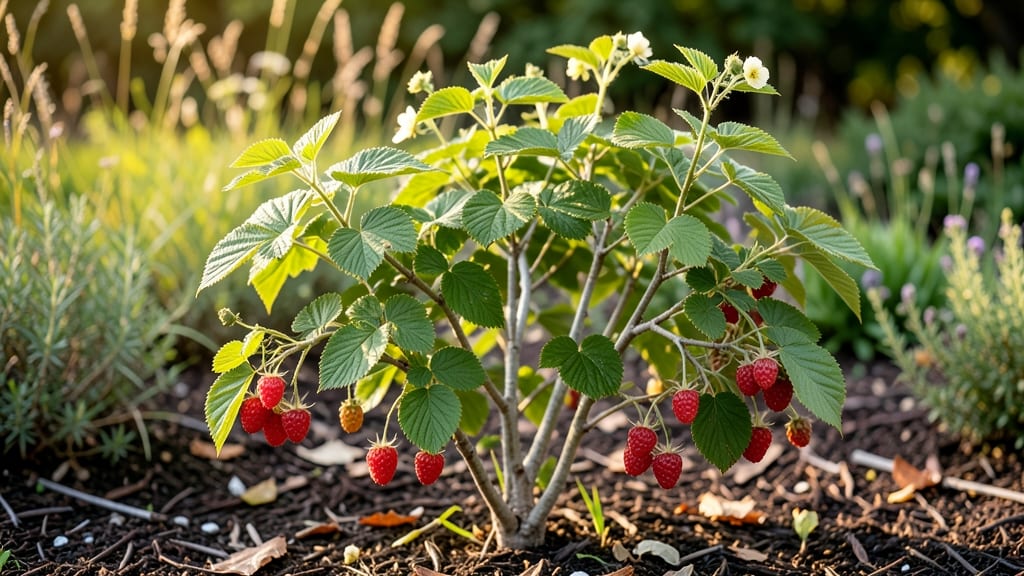
Raspberry bushes are perennial—meaning they return every year with proper care, but they’re not as low-maintenance as people think. 🌱 I’ve watched my own bushes push through frost each spring, only to realize they need more than just luck to thrive through winters and decades of harvests.
The secret lies in understanding their growth cycle, not just their hardiness.
Most raspberries live 5-10 years (some even longer!) if you prune correctly, protect roots in winter, and feed them rich soil. The key is cold-hardy varieties like Boyne or Heritage—these survive Zone 3 winters with mulch, while tender types (like some tropical varieties) need shelter.
I’ve killed plants by ignoring these basics, but once I learned the rhythm, my bushes kept producing for years.
You’ll get the most from them by pruning old canes in winter and fertilizing in early spring. The soil must drain well but stay moist—raspberries hate soggy roots.
With these steps, you’ll harvest year after year, not just a one-time payoff. The payoff? Fewer plants needed and berries that improve with age.
Don’t assume all raspberries are equal—some need staking, others sprawl. And yes, they do spread if you let them. The trick is guiding that energy into strong, productive canes instead of wild suckers. Here’s how to keep them productive for a decade.
📚 In This Guide
- What you need
- Instructions
- Tips and common mistakes
- Wrapping up and next steps
What you need
- ● Raspberry canes: 5–10 healthy, bare-root or potted raspberry plants (choose cold-hardy varieties like Boyne, Nova, or Heritage for zones 3–8).
- ● Garden soil: Well-draining, slightly acidic soil (pH 5.5–6.5). Amend with compost if your soil is heavy or clay-like.
- ● Fertilizer: Balanced organic fertilizer (10-10-10) or composted manure (apply at planting and mid-season).
- ● Mulch: 2–3 inches of straw, wood chips, or pine needles to retain moisture and insulate roots.
- ● Drip irrigation or soaker hose: For consistent watering (raspberries need 1–1.5 inches of water weekly).
- ● Pruners: Sharp, clean bypass pruners (sterilize with rubbing alcohol between cuts).
- ● Garden stakes or trellis: 6–8 ft tall (for upright varieties) or J-bar wire system (for floricane types like Heritage).
- ● Garden gloves: Heavy-duty to protect against thorns.
- ● Soil test kit: To check pH and nutrient levels before planting.
- ● Frost cloth or row covers: For young plants in early spring or late fall (zones 3–5).
- ● Organic pest control: Neem oil or insecticidal soap (for aphids or spider mites).
- ● Plant tags: To label varieties and track pruning schedules.
- ● Wheelbarrow or bucket: For mixing soil amendments or hauling mulch.
How to ensure your raspberry bushes survive winter as perennials
Raspberries thrive year after year—but only if you protect them properly. Here’s how to keep your bushes cold-hardy and productive.
🌱 Step 1: Choose the Right Raspberry Variety for Your Climate
Not all raspberries are equally hardy. Summer-bearing varieties like Boyne or Heritage handle cold down to -20°F, while fall-bearing types like Heritage or Dorman Red tolerate -15°F. Check your USDA zone—if you’re in Zone 5 or colder, opt for primocane varieties that produce fruit on second-year canes, which are more resilient.
Here’s the thing—young plants need extra care. First-year canes are tender and should be protected until established. I’ve seen gardeners in Zone 4 grow raspberries successfully by planting Heritage or Nova varieties, but they use thick mulch and low tunnels for winter.
☀️ Step 2: Prepare the Planting Site for Winter Resilience
Raspberries need well-draining soil with a pH of 5.5–6.5. Amend heavy clay with 2–3 inches of compost before planting, but avoid fresh manure—it burns roots. Plant in full sun (6+ hours daily) for strong canes that store more energy for winter survival.
Don’t skimp on spacing. 4–6 feet apart gives canes room to develop thick, woody stems that resist winter breakage. I’ve seen raspberries planted too close collapse under snow—sturdy canes are your first line of defense against cold damage.
✂️ Step 3: Prune Strategically Before Winter Sets In
Fall pruning is critical. Remove all dead, diseased, or weak canes first. For summer-bearing types, cut back old fruiting canes to the ground—they’re done for the year. Leave new canes (primocanes) intact; they’ll fruit next season. For fall-bearing types, cut back all canes to 2–3 feet tall to reduce wind damage and snow load.
This is the moment that matters: never prune in winter. Fresh cuts won’t heal and invite rot. Wait until late winter (just before buds swell) to do any final adjustments—then you’ll see which canes survived and which need removal.
🪴 Step 4: Mulch and Protect Canes from Freezing Temperatures
Apply 4–6 inches of straw or shredded leaves around the base after the ground freezes (usually late November in most zones). This insulates roots while allowing moisture to drain. Never use grass clippings—they mat down and trap too much moisture, leading to rot.
For Zones 4–6, add low tunnels or row covers over canes once hard frosts hit. Secure them with bricks or stakes so wind doesn’t tear them off. I’ve seen raspberries in Zone 5 survive -18°F with this method—the key is protecting the crown and canes, not the leaves.
⏰ Step 5: Monitor and Adjust Through Winter
Check on your bushes once a month during winter. If snow piles up, gently brush it off to prevent breakage. Look for mold or heaving soil—both signal poor drainage or thawing/freezing cycles. If you see crowns exposed above soil, add more mulch immediately.
Spring is your reward. By mid-April, you’ll see green shoots pushing through the mulch—that’s your signal the roots survived. Remove winter protection gradually to avoid shocking new growth. Don’t rush—wait until nighttime temps stay above 40°F before fully uncovering the bed.
Tips & tricks for cold-hardy raspberry bushes
These cold-weather secrets will help your raspberry bushes thrive through winter and reward you with bountiful harvests for years to come.
Variety Selection Matters: When choosing varieties for colder climates, pay special attention to the temperature ratings. The -20°F tolerance of summer-bearing varieties like Boyne means they're your best bet for Zone 4 gardens. For fall-bearing types, Dorman Red's -15°F threshold is still impressive, but consider adding extra protection if you're pushing those limits. I've seen gardeners in Zone 5 successfully grow Heritage raspberries with proper winter care, but the variety itself sets the baseline for what your plants can handle.
Soil Preparation Secret: The 2-3 inches of compost recommendation isn't just about nutrients—it's about creating the right soil structure. Amending heavy clay improves drainage while retaining moisture, which is crucial during winter thaw cycles. I've found that adding a handful of perlite to the compost mix helps prevent soil compaction, which can suffocate roots during freeze-thaw cycles. This small adjustment makes a big difference in winter survival rates.
Pruning Timing is Critical: The instructions emphasize fall pruning, but I can't stress enough how important it is to wait until late winter for any final adjustments. This timing allows you to assess which canes survived winter damage before making cuts. I've made the mistake of pruning too early in spring only to discover healthy canes I'd accidentally removed. The key is to wait until buds begin to swell—this usually happens around early March in most zones.
Winter Protection Layering: For zones experiencing -18°F temperatures, layer your protection strategically. Start with the 4-6 inches of straw as the base layer, then add a layer of bubble wrap around individual canes before securing the low tunnel. This creates an air pocket that insulates better than straw alone. I've seen raspberries survive temperatures 10°F colder than their rated tolerance with this method, though it requires more effort to set up.
Pro Tips for Are Raspberry Bushes Perennial
- These cold-weather secrets will help your raspberry bushes thrive through winter and reward you with bountiful harvests for years to come.
- Variety Selection Matters: When choosing varieties for colder climates, pay special attention to the temperature ratings.
- Soil Preparation Secret: The 2-3 inches of compost recommendation isn't just about nutrients—it's about creating the right soil structure.
Frequently asked questions
Got questions about raspberry bushes and their perennial nature?
You’re not alone! Here are answers to the most common queries—so you can grow confidently, whether you’re a beginner or a seasoned gardener.
Do raspberry bushes really come back every year?
Yes! Raspberry bushes are perennial, meaning they regrow from the same root system each spring—if they survive winter. With proper care (like mulching and protecting roots from freeze-thaw cycles), they’ll reward you with fruit for 10+ years. Just watch for pests or disease that could weaken them over time.
How cold can raspberry bushes tolerate?
Most raspberry varieties handle USDA Zones 4-9 (down to -20°F/-29°C for hardy types like ‘Boyne’ or ‘Nova’). Ever-bearing varieties (like ‘Carolina Gem’) are slightly less cold-tolerant—check your plant’s tag! Mulch heavily in fall and avoid pruning late in the season to boost winter survival.
What if my raspberry bush dies back completely in winter?
Don’t panic! Healthy raspberry canes often look dead in winter but sprout new growth by late spring. If no green appears by mid-May, check for:
- Root rot (soggy soil = bad news).
- Voles or rabbits gnawing roots (use wire mesh barriers).
- Extreme cold (below -25°F/-32°C) damaging the crown.
When should I prune raspberry bushes to keep them perennial?
Timing matters! Flowering (primocane) varieties (like ‘Heritage’) get pruned in late winter—cut old canes to ground level. Summer-bearing types (like ‘Dorman Red’) need pruning right after harvest to remove fruited canes. Never prune in fall—it stresses plants before winter!
Can I grow raspberries in containers if I live in a cold climate?
Use a large pot (20+ gallons) with drainage holes and move it to a garage or insulated shed when temps drop below 20°F (-7°C). Choose dwarf varieties like ‘Titan’ or ‘Goldie’ for better cold tolerance. Just remember: Container roots freeze faster than in-ground plants!
What’s the fastest way to revive a struggling raspberry bush?
Start with these 3 steps:
1. Soil Check
Test pH (ideal: 5.5–6.5) and amend with compost if soil is compacted.
2. Water Wisely
Deep water 1–2 inches per week (drought stress weakens perennials).
3. Fertilize Right
Use a balanced 10-10-10 in early spring and high-phosphorus (like 5-10-10) before flowering.
Wrapping up and next steps
So, are raspberry bushes perennial? Absolutely! 🌱 These hardy plants thrive year after year with the right care, offering delicious harvests for seasons to come. Whether you're a beginner or a seasoned gardener, their resilience makes them a fantastic addition to any yard.
Now that you’re armed with the knowledge to keep your raspberry bushes flourishing, why not take the next step? Start by selecting the perfect variety for your climate, then plant and nurture them with confidence. Before you know it, you’ll be enjoying homegrown raspberries—season after season!