
Orchid Care
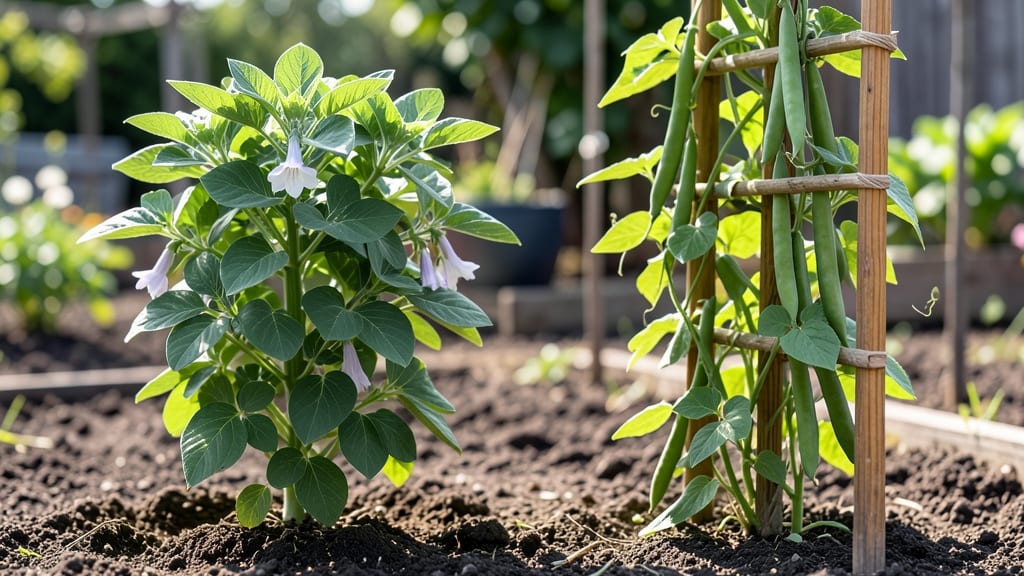
Are black beans bush or pole? Most black beans grow as bush varieties, creating compact plants without vines, though some heirloom types may climb like pole beans. Modern cultivars typically stay low, making them perfect for small gardens and easy harvesting.
Black beans primarily grow as bush varieties, which means they develop as self-supporting plants that don't require trellises. 🌱 These compact plants usually reach 2-3 feet tall and produce pods along the entire stem, making them ideal for small spaces.
The key difference from pole beans lies in their genetic structure—bush beans mature all at once, while pole beans produce flowers and pods over a longer period. This growth habit affects both yield timing and garden planning, especially if you're working with limited space or want a quicker harvest.
For gardeners with limited room, bush beans are the clear winner. They thrive in containers or tight garden beds and don't need the extra support that pole beans require. Plus, their shorter stature makes them easier to maintain and harvest.
If you're considering pole beans, you'll need to allocate more vertical space and provide sturdy trellises, but they can produce beans over a more extended season.
💡 In This Article
- Black Bean Plant Types: Bush vs Pole Varieties Explained
- Best Black Bean Varieties for Small Gardens
Black bean plant types: bush vs pole varieties explained
Black beans primarily grow as bush varieties, which means their plants develop as compact, self-supporting structures without needing vines or trellises.
The genetic difference lies in their indeterminate growth habit—bush beans produce a single harvest cycle, maturing all pods at once within 50-60 days, while pole beans grow continuously, producing flowers and pods over 3-4 months. This distinction impacts both garden space requirements and yield timing.
The compact nature of bush beans makes them ideal for small gardens, typically reaching 1.5-3 feet tall with a spread of 12-18 inches. Their upright stems hold pods along the entire length, creating a dense, harvestable structure.
In contrast, pole beans can climb 6-10 feet using tendrils, requiring vertical support. The key difference in yield is that bush beans produce a single, concentrated harvest, while pole beans offer a prolonged but smaller daily yield.
Here's what this means for gardeners: bush beans are perfect for container gardening or tight spaces, while pole beans need dedicated vertical space. The trade-off is time—bush beans mature faster, giving you beans in about 2 months, whereas pole beans may take 3-4 months to reach full production.
Some heirloom black bean varieties, like 'Black Valentine' or 'Ojo de Cabra,' exhibit pole-like climbing habits, adding diversity to your garden.
Soil conditions also play a role in growth habits. Bush beans thrive in well-draining soil with 60-70% moisture and prefer slightly acidic to neutral pH (6.0-7.0). Their compact roots don't penetrate deeply, making them less drought-tolerant than pole beans, which have deeper root systems.
This makes bush beans ideal for raised beds or containers, while pole beans can handle drier conditions once established.
For those considering both types, hybrid varieties exist that combine traits—some bush beans may produce slightly taller plants, while certain pole beans can be shorter. The choice ultimately depends on your garden layout, timeframe for harvest, and whether you prioritize space efficiency or extended production. 🌱
One practical tip: if you're short on space but want prolonged harvests, consider interplanting bush beans with faster-maturing crops like lettuce or radishes. This maximizes your garden's productivity while working within the compact growth habit of bush varieties.