
Fertilization
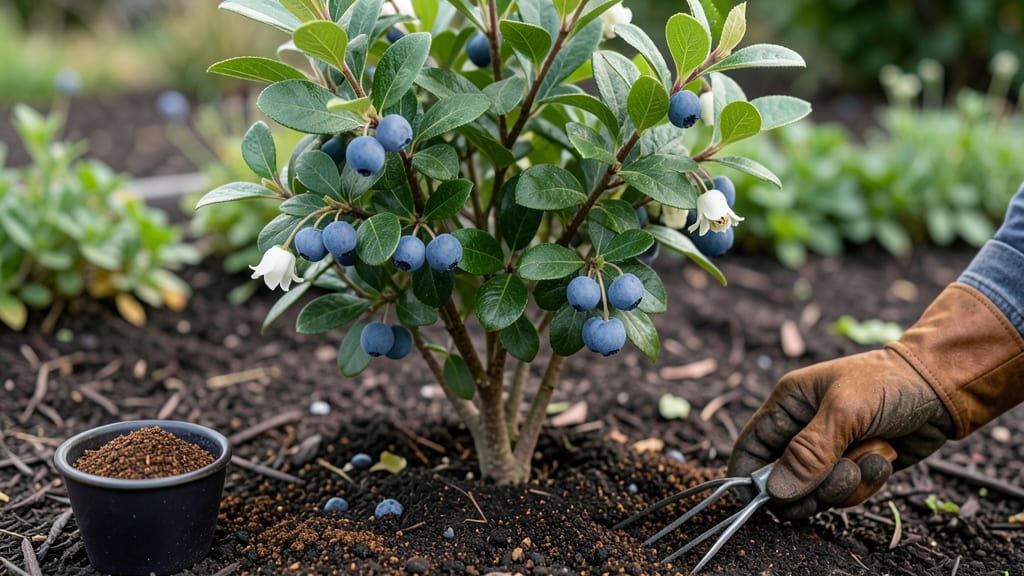
Coffee grounds are good for blueberry bushes because they naturally lower soil pH and provide nitrogen, but you should use them carefully to prevent mold or pest problems. Always compost them first to balance acidity levels.
Blueberries thrive in acidic soil, and coffee grounds can help create that ideal environment. 🌱 The caffeine and oils in grounds break down slowly, releasing nitrogen that feeds roots while gently acidifying the soil. However, fresh grounds can clump and create anaerobic zones—this is why composting them first is key.
I've found that mixing them into compost piles or using them as a thin mulch layer works best, especially in early spring when bushes need a nutrient boost.
What's interesting is that too much can backfire. Over time, excessive coffee grounds may actually raise soil pH due to mineral buildup, which is the opposite of what blueberries need. The sweet spot is about 1/4 inch of used grounds per plant, worked into the top inch of soil.
For best results, combine them with other organic matter like pine needles or peat moss to create a balanced acidifying blend.
💡 In This Article
- How Coffee Grounds Affect Blueberry Bush Soil Chemistry
- Best Ways to Use Coffee Grounds for Blueberry Bushes
How coffee grounds affect blueberry bush soil chemistry
Coffee grounds work their magic on blueberry bushes primarily through two key mechanisms: nitrogen release and soil acidification. The grounds contain about 2% nitrogen by weight, which breaks down slowly as microbes decompose the organic matter.
This gradual release provides a steady nutrient supply to roots, similar to how a slow-release fertilizer operates.
However, the real game-changer is their ability to lower soil pH—fresh coffee grounds have a pH of around 4.85 to 6.25, which is slightly acidic to neutral, but their decomposition products create even more acidic conditions in the soil.
The acidifying effect comes from organic acids like chlorogenic acid and caffeine (yes, the same compound in your morning brew!) breaking down into simpler compounds that release hydrogen ions (H+). These ions react with soil minerals, gradually lowering pH over time.
Blueberry bushes prefer soil pH between 4.5 and 5.5, making coffee grounds an excellent natural amendment for creating that ideal acidic environment. The process is gradual—typically taking 2-4 weeks for noticeable pH changes when properly composted.
However, this isn't a one-way street—there's a delicate balance. While coffee grounds acidify soil, they also contain minerals like potassium and phosphorus that can raise pH over time if overused. The organic matter breaks down into humus, which actually buffers soil pH, creating a complex interaction.
This is why most gardeners recommend using them as part of a broader soil amendment strategy rather than as a standalone treatment. 🌱 The microbial activity stimulated by coffee grounds also helps break down other organic materials in the soil, creating a more fertile environment for blueberry roots.
There's a critical catch with fresh coffee grounds: their high carbon-to-nitrogen ratio can create anaerobic conditions when piled directly on soil. This leads to unpleasant odors and can attract pests like slugs or fungus gnats.
The caffeine content, while beneficial in small amounts, becomes toxic to plants and soil microbes at high concentrations. This is why composting is essential—it allows beneficial microbes to break down the caffeine and other compounds safely before they're applied to plants.
For maximum benefit, consider that coffee grounds should make up no more than 10-20% of your compost mix for blueberries. The ideal blend would include other acidic materials like pine needles or oak leaves to create a balanced soil environment.
The microbial community in well-composted coffee grounds can also help suppress harmful pathogens, creating a healthier root zone for your blueberry bushes.
What most gardeners don't realize is that the benefits extend beyond just pH and nitrogen. The porous structure of coffee grounds improves soil aeration and water retention when mixed into the topsoil.
This creates tiny air pockets that help roots breathe while holding moisture—critical for blueberries that prefer consistently moist but well-drained soil. The texture of properly composted grounds resembles fine, crumbly soil, making them easy to work into garden beds without clumping.