
Shrubs
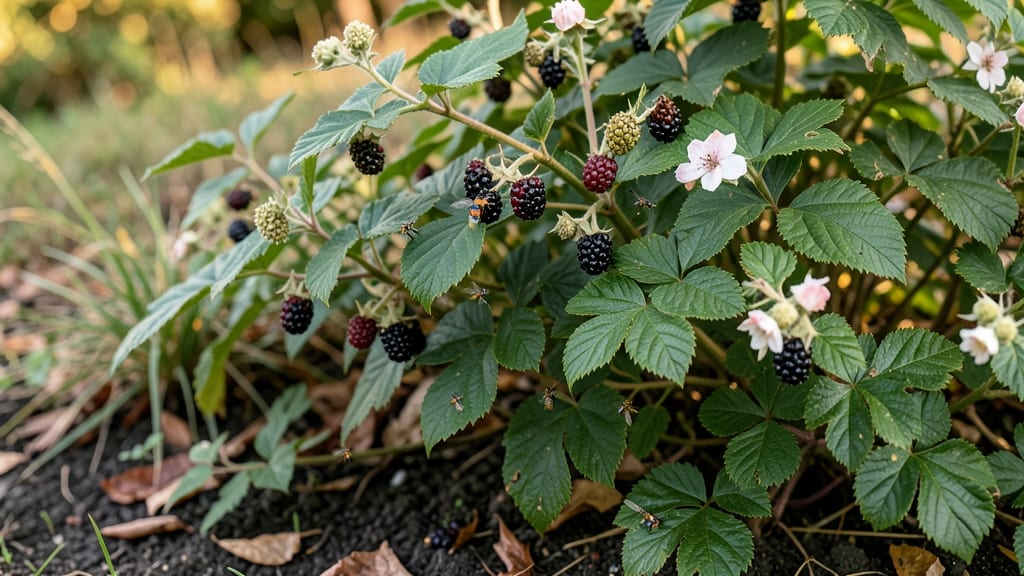
Flies in bushes mean your fragrant shrubs are silently screaming for help. 🌿 I’ve watched fungus gnats, fruit flies, and other pests turn lush foliage into a buzzing nightmare—until I learned these pruning tricks that keep bushes healthy and fly-free.
The secret isn’t just cutting back; it’s timing, technique, and a few unexpected fixes that work better than sprays.
Most gardeners prune too late or too aggressively, creating the perfect fly buffet. Overgrown branches trap moisture, while dense foliage hides eggs and decay. I now prune in early spring—just as new growth starts—to remove last year’s hiding spots before flies get cozy.
Thin branches to improve airflow, and always sterilize your shears with rubbing alcohol to avoid spreading fungal spores.
What you’ll get is bushes that stay fragrant, vibrant, and pest-resistant all season. No more swatting flies or wilting leaves—just lush, thriving plants that actually repel insects naturally. The key is combining pruning with simple soil fixes (like adding sand or diatomaceous earth) to break the fly life cycle.
Works for roses, hydrangeas, boxwoods, and any other shrub prone to fly infestations. Whether you’re dealing with fungus gnats in potted plants or fruit flies in berry bushes, these methods cut down on pests without harsh chemicals. Let’s get those bushes back to their full, fly-free glory.
Understanding the Root Causes
Flies buzzing around your bushes aren’t just a nuisance—they’re often a sign of underlying issues that can harm your plants’ health and fragrance. Before reaching for pruning shears, it’s worth digging deeper (literally and figuratively) to understand why these pests are drawn to your shrubs.
Here’s why they’re crashing your garden party—and how to address it.
---
Flies, especially fruit flies and fungus gnats, are attracted to fermenting sugars and organic decay. If your bushes have: - Overripe berries (e.g., holly, pyracantha, or viburnum) - Dying leaves or stems from disease (like powdery mildew or bacterial blight) - Old flower blooms that never dropped naturally
These decomposing materials release ethanol and organic acids, mimicking the scent of rotting fruit or compost. Flies mistake your bush for a buffet. 🍇➡️🪰
Actionable Fix: - Prune aggressively: Remove all mushy, discolored, or diseased growth. Sterilize your shears with rubbing alcohol between cuts to prevent spreading pathogens. - Rake up fallen debris: Piles of leaves or fruit under bushes create hidden breeding grounds. - Compost properly: If you’re using bush clippings, turn them frequently to avoid anaerobic decay (which flies love).
---
Soggy soil is a magnet for fungus gnats and shore flies. These pests thrive in: - Compacted or waterlogged soil (common in clay-heavy gardens) - Overwatered bushes (especially those with shallow roots, like boxwood or azaleas) - Poorly draining containers (if your shrubs are potted)
Moisture-loving flies lay eggs in damp organic matter, and their larvae feed on fungal growth in the soil. The result? A stinky, slimy mess that weakens your plants.
Actionable Fix: - Test your soil: Stick a screwdriver in the ground—if it slides in easily, you’ve got compaction. Amend with coarse sand, perlite, or compost to improve aeration. - Adjust watering: Water deeply but infrequently (1–2 inches per week, depending on climate). Use a soaker hose to avoid wetting foliage. - Add organic mulch: A 2–3 inch layer of pine bark or straw helps regulate moisture and deters flies by reducing surface dampness.
---
Some flies, like hoverflies and syrphid flies, are actually pollinators—but others, such as houseflies and cluster flies, are drawn to: - Sweet-smelling flowers (e.g., lilacs, roses, or hydrangeas planted near bushes) - New growth or sap (common after pruning or during spring flushes) - Honeydew (a sticky residue left by aphids or scale insects on leaves)
These flies aren’t just hanging around—they’re feeding on plant sugars, which can weaken your shrubs over time.
Actionable Fix: - Deadhead spent blooms: Remove faded flowers to reduce nectar sources. - Target sap feeders: If you see flies clustering on new shoots or pruning wounds, apply a light horticultural oil (like neem oil) to deter them. - Encourage beneficial insects: Plant marigolds, dill, or yarrow nearby to attract predatory wasps and hoverflies that eat pest flies.
--- Yes, really. Flies are drawn to anything fermenting or protein-rich, including: - Pet waste (dog/cat poop under bushes) - Old bird droppings in nesting areas - Food scraps from outdoor dining or compost bins too close to plants - Human urine (yes, it contains nitrogen that attracts flies)
If your bushes are near a patio, dog run, or compost pile, flies will treat them as an extension of the trash can. 🗑️💨
Actionable Fix: - Relocate waste sources: Move compost bins at least 10 feet away from shrubs. - Clean up pet areas: Scoop waste daily and rinse soil with a vinegar-water spray (1:1 ratio) to neutralize odors. - Wash outdoor surfaces: If flies are drawn to urine spots on paths, hose them down with soapy water to break down proteins.
--- Some flies, like drosophilids (fruit flies), are drawn to fungal spores and bacterial oozing on plants. Signs include: - Black sooty mold (a fungal growth fed by aphid honeydew) - Wet, mushy stems (from bacterial soft rot) - White powdery coatings (powdery mildew)
These flies don’t just annoy you—they spread pathogens faster, creating a vicious cycle.
Actionable Fix: - Prune infected areas immediately: Cut out at least 6 inches below the affected zone to remove spores. - Apply copper fungicide: For bacterial issues, use a copper-based spray (like Bordeaux mixture) to prevent spread. - Improve airflow: Thin out dense foliage to reduce humidity, which fungi love.
--- Flies are opportunistic—they’ll descend on your bushes during: - Warm, humid spells (ideal for breeding) - After rain (when soil is saturated) - Late summer/early fall (when fruit ripens)
If your area has recent storms or high heat, expect a fly surge.
Actionable Fix: - Time your pruning: Remove overripe fruit before peak fly season (usually late summer). - Use row covers: For high-value bushes (like fruit-bearing ones), drape fine mesh netting to block adults. - Diatomaceous earth: Sprinkle food-grade DE around the base of bushes to dehydrate fly larvae (reapply after rain).
Quick Fixes for Bushy Fly Problems
Flies buzzing around your shrubs aren’t just annoying—they can signal deeper issues like decay, pests, or poor maintenance. The good news? Most problems have simple, effective solutions. Below, we’ve mapped common causes to practical fixes, plus prevention tips to keep your bushes fly-free and fragrant all year.
---
Cause: Decaying plant matter (fallen berries, overripe fruit, or dead leaves) attracts fruit flies and fungus gnats. Fix It: - 🔥 Remove debris immediately – Rake up fallen leaves, prune overripe fruit, and clear mulch from the base of the bush. - 🍳 Compost properly – If using compost near bushes, ensure it’s hot composting (140°F+) to kill fly eggs. Avoid cold, damp piles. - 👨🍳 Trap flies naturally – Place a bowl of apple cider vinegar + dish soap near the bush. Flies drown in 24 hours.
Prevention Tip: 💡 Prune regularly – Trim bushes in early spring to improve airflow and reduce hiding spots for decay.
---
Cause: Sap-sucking insects (aphids, scale, or spider mites) attract predatory flies like hoverflies or parasitic wasps. Fix It: - 🔪 Blast off pests – Spray bushes with a strong stream of water to dislodge aphids or mites. Repeat weekly. - 🌿 Introduce beneficial insects – Ladybugs and lacewings eat pests. Buy them online or attract them with neem oil sprays. - 🎯 Use insecticidal soap – Mix 1 tbsp castile soap + 1 quart water, spray on infested areas, and reapply after rain.
Prevention Tip: ✨ Encourage biodiversity – Plant marigolds or basil nearby to repel pests naturally.
---
Cause: Dense foliage traps moisture, creating a damp, fly-friendly environment. Fix It: - ⏰ Thin out branches – Prune 1/3 of the bush in late winter to improve airflow. Focus on crossing or inward-growing branches. - 🌡️ Adjust watering habits – Water early in the morning (not at night) to reduce humidity. Use drip irrigation instead of overhead sprinklers. - 🌿 Mulch lightly – Use 2–3 inches of gravel or wood chips (not thick layers) to prevent soil from staying soggy.
Prevention Tip: 🔥 Space bushes 3–5 feet apart – Overcrowding = fly magnet.
---
Cause: Compacted, nutrient-poor, or overly wet soil breeds fungus gnats and shore flies. Fix It: - 📊 Test your soil – Use a DIY pH test kit (available at garden centers). Ideal pH for most shrubs: 6.0–7.0. - 💪 Amend the soil – Mix in compost or aged manure to improve drainage. For clay soil, add perlite or sand. - 🥗 Use coffee grounds – Sprinkle used grounds around bushes—they repel fungus gnats and add nitrogen.
Prevention Tip: 🌱 Aerate annually – Use a garden fork to loosen soil in early spring.
--- Final Pro Tip: 🎯 Monitor weekly – Check bushes for new fly activity after pruning or rain. Early action = fewer flies long-term!
--- Need a deeper dive? Check out our [Pruning Guide for Fragrant Shrubs](#) for seasonal maintenance tips.
Frequently asked questions
Why do flies suddenly appear in my bushes?
Flies flock to bushes because they’re drawn to decaying matter, sap, or moisture. Overripe fruit, fungal spores, or even pet waste nearby create the perfect breeding ground. Check for soggy soil, fallen berries, or hidden compost piles—these are fly magnets!
Are all flies in bushes harmful to my plants?
Not all! Some, like hoverflies, help pollinate, but others (like fungus gnats or fruit flies) can damage roots or spread disease. Watch for wilting leaves or yellowing stems—those are red flags. Focus on removing decaying material first.
How do I prune to keep flies away?
Prune in early spring to remove last year’s debris, which hides fly eggs. Thin branches to improve airflow, and always sterilize shears with rubbing alcohol to avoid spreading fungal spores. Avoid pruning during peak fly season (late summer) when flies are most active.
What’s the fastest way to get rid of flies already in my bushes?
For immediate relief, set up apple cider vinegar traps (mix 1 cup vinegar + 1 tbsp dish soap in a bowl). For soil-dwelling larvae, sprinkle diatomaceous earth around the base—it dehydrates them in 24 hours. Reapply after rain.
Can I use chemical sprays to eliminate flies?
Chemicals like pyrethrin-based sprays work fast but can harm beneficial insects. For organic control, try neem oil (mix 1 tbsp with 1 quart water) or kaolin clay, which repels flies without killing pollinators. Always spot-test first!