
Flowers
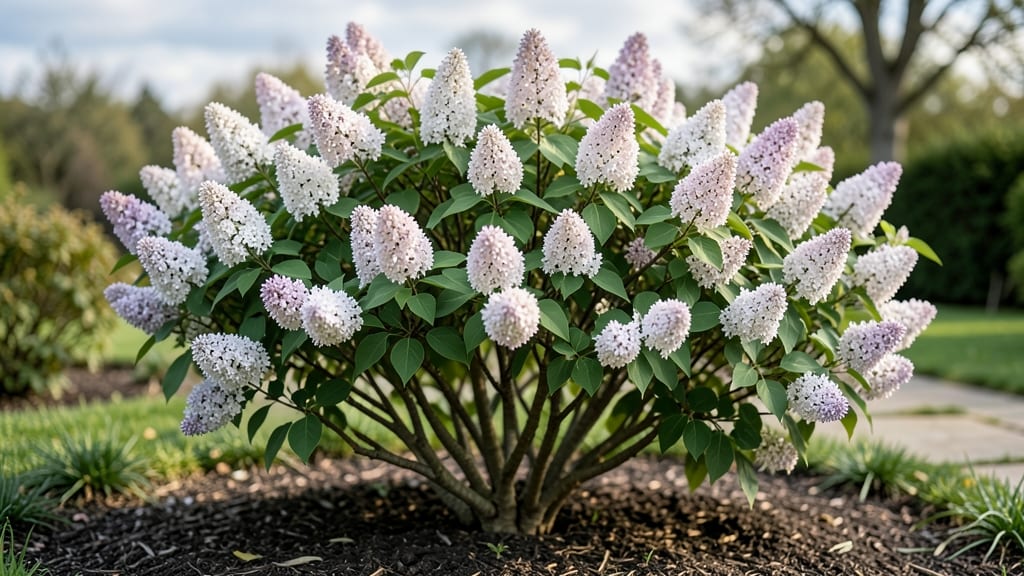
The identification of fragrant white flower bushes can transform your garden from ordinary to extraordinary. 🌸 I’ve spent years tracking down these showstoppers—each with its own unique scent and silhouette—and now I’m sharing the visual clues that make them unmistakable, from the waxy blooms of mock orange to the velvety leaves of gardenia.
The key lies in leaf shape, flower structure, and growth habit. A bush with oval, dark green leaves and clusters of four-petaled white flowers? That’s likely mock orange (Philadelphus), its heady citrusy perfume strongest at dusk.
Meanwhile, long, tubular white blooms with glossy foliage point to jasmine (Jasminum), where the scent clings to the air like a sweet secret.
Once you spot them, you’ll want to nurture their strengths: mock orange thrives in full sun to part shade, while gardenia demands acidic soil and humidity. Prune after flowering to encourage next year’s blooms, and watch as your yard becomes a fragrant sanctuary.
Regional adaptability matters too—some varieties handle heat better than others. Whether you’re in the South or Northeast, I’ll help you match the right bush to your climate for year-round fragrance that turns heads (and noses) alike.
Why Your Fragrant Bush Isn’t Blooming
If your fragrant white-flowering bush isn’t living up to its scent-filled promise, the issue likely stems from a mix of environmental, biological, or maintenance-related factors. Understanding these causes helps you diagnose—and fix—the problem before it’s too late.
Below, we break down the key reasons your bush might be struggling, from soil woes to seasonal quirks.
A fragrant white-flowering bush thrives when its roots have the right balance of nutrients, drainage, and organic matter. If the soil is lacking, the plant’s energy goes into survival instead of blooming.
- Compacted or Heavy Soil:
Clay or densely packed soil restricts root growth and oxygen flow, stunting the bush’s ability to absorb water and nutrients. Result? Fewer blooms and weaker fragrance production.
Fix: Amend the soil with compost, perlite, or coarse sand to improve aeration. For established bushes, gently loosen the top 6–12 inches of soil around the base.
- Nutrient Deficiencies:
White-flowering bushes often need phosphorus (P) for blooming and potassium (K) for fragrance development. A deficiency—common in depleted or sandy soils—leads to sparse or scentless flowers.
Fix: Conduct a soil test (available at garden centers) and apply a balanced 10-10-10 or 5-10-10 fertilizer in early spring. For a natural boost, mix in bone meal (high in phosphorus) or banana peels (potassium-rich).
- Wrong pH Levels:
Most fragrant white-flowering bushes (like Philadelphus or Deutzia) prefer slightly acidic to neutral soil (pH 6.0–7.0). Soil that’s too alkaline (pH >7.5) locks out essential nutrients like iron and manganese, causing poor flowering.
Fix: Test your soil’s pH and adjust with sulfur (to lower pH) or lime (to raise it). For quick results, use chelated iron supplements if yellowing leaves appear.
Fragrant bushes are sensitive to extreme conditions. Heatwaves, drought, or sudden temperature drops can shock the plant into a survival mode, delaying—or even preventing—blooms.
- Inconsistent Watering:
Drought stress causes buds to drop before opening, while overwatering leads to root rot, which suffocates the plant. Both scenarios kill fragrance and blooms.
Fix:
- Water deeply 1–2 times per week (depending on climate), ensuring the top 6 inches of soil stay moist but not soggy.
- Use mulch (2–3 inches of wood chips or straw) to retain moisture and regulate soil temperature.
- Install a drip irrigation system for consistent, targeted watering.
- Extreme Heat or Cold:
Prolonged heatwaves (>90°F/32°C) can scorch buds, while late frosts (<28°F/-2°C) damage emerging flowers. Many fragrant bushes (e.g., Syringa) bloom on old wood, meaning cold snaps can kill next year’s flowers.
Fix:
- Choose heat-tolerant varieties (e.g., Deutzia gracilis) if you live in hot climates.
- Apply a light frost cloth in late winter to protect buds.
- Plant in partial shade to shield from afternoon sun.
- Wind or Pollution Damage:
Strong winds can physically strip buds or flowers, while urban pollution (e.g., ozone) weakens cell walls, reducing fragrance intensity.
Fix: Plant your bush in a sheltered location (e.g., near a fence or building) and avoid spraying pesticides that can harm beneficial insects.
Timing and technique matter when pruning fragrant bushes. Poor cuts can remove next year’s blooms or stress the plant into dormancy.
- Pruning After Blooming:
Many white-flowering bushes (like Philadelphus) bloom on old wood. Pruning in late summer or fall removes next season’s flower buds.
Fix: Prune immediately after blooming (late spring to early summer) to shape the bush and encourage new growth.
- Over-Pruning or Improper Cuts:
Cutting back too aggressively (e.g., more than 1/3 of the bush) or making jagged cuts invites disease and weakens the plant.
Fix:
- Use clean, sharp shears to make 45-degree cuts just above a leaf node.
- Avoid topping (cutting the main stem flat)—this encourages weak, leggy growth.
- Not Pruning at All:
Neglected bushes become overcrowded, leading to fewer blooms and reduced fragrance as energy is wasted on dense foliage.
Fix: Prune annually to open the center of the bush and improve airflow.
Hidden invaders like aphids, spider mites, or fungal infections can drain your bush’s energy, leaving it too weak to produce fragrant flowers.
- Sap-Sucking Pests (Aphids, Scale):
These pests excrete honeydew, a sticky substance that attracts sooty mold—a fungal growth that blocks sunlight and weakens the plant.
Fix:
- Blast pests off with a strong spray of water.
- Use neem oil or insecticidal soap for severe infestations.
- Powdery Mildew or Rust:
Fungal diseases like powdery mildew (white, powdery spots) or rust (orange pustules) thrive in humid conditions, clogging leaves and reducing photosynthesis.
Fix:
- Improve air circulation by pruning and spacing plants.
- Apply baking soda spray (1 tsp baking soda + 1 quart water + a drop of soap) weekly.
- Use copper fungicide for severe cases.
- Borers or Canker Diseases:
Wood-boring insects or bacterial cankers create dead zones in the bush, limiting its ability to support blooms.
Fix: Remove
Identify & Care For Bush
Got a fragrant white flower bush but unsure which one it is? Or struggling with its upkeep? Let’s tackle this step by step—whether you’re diagnosing the plant or ensuring it thrives. Here’s how to solve common challenges and keep your bush blooming beautifully.
---
If your bush is already flowering, start with visual clues to match it to one of the 15 varieties mentioned in this guide. Use this quick checklist:
- Leaf Shape & Texture: - Oval and glossy? → Likely a Mock Orange (Philadelphus) or Deutzia. - Fine, feathery, or fern-like? → Could be Weigela or Abelia. - Thick, leathery, or waxy? → Possibly Gardenia or Jasmines.
- Flower Structure: - Tubular or trumpet-shaped? → Weigela or Abelia. - Star-shaped with 4-5 petals? → Deutzia or Pieris. - Double-layered, rose-like? → Mock Orange or Syringa (Lilac).
- Scent & Bloom Time: - Heavy, sweet fragrance in spring? → Philadelphus or Gardenia. - Light, jasmine-like aroma in summer? → Jasmine or Abelia.
💡 Pro Tip: Snap a clear photo of the leaves, flowers, and buds (including close-ups of the stems) and compare it to online databases like [iNaturalist](https://www.inaturalist.org/) or [PlantNet](https://identify.plantnet.org/). Many apps (e.g., PictureThis or PlantSnap) can also give instant ID suggestions!
---
Once you’ve identified your bush, address these typical problems with targeted fixes:
#### 🌿 Problem: No Flowers (Or Sparse Blooms) Possible Causes & Fixes: - 🔥 Over-Fertilizing with High Nitrogen: Too much nitrogen promotes leafy growth but stunts flowers. - Fix: Switch to a balanced fertilizer (10-10-10) or a low-nitrogen, high-phosphorus formula (e.g., 5-10-5) in early spring. - Prevention: Avoid lawn fertilizers near flowering shrubs.
- 🍳 Pruning at the Wrong Time: Many fragrant white bloomers (like Mock Orange) flower on old wood—pruning after blooming can remove next year’s buds. - Fix: Prune right after flowering (late spring/early summer) to encourage new growth for next season. - Prevention: Note your plant’s bloom time—never prune in late fall or winter.
- 👨🍳 Insufficient Sunlight: Some varieties (e.g., Gardenia) need 6+ hours of sun to flower. - Fix: Move to a sunnier spot or supplement with grow lights (12-14 hours/day) if indoors. - Prevention: Research your specific bush’s sunlight needs before planting.
---
#### 🐛 Problem: Pest or Disease Attacks Common Culprits & Solutions: | Issue | Signs | Fix | Prevention | |--------------------------|------------------------------------|--------------------------------------------------------------------------|------------------------------------------| | 🐜 Aphids | Sticky residue, curled leaves | Spray with soapy water or introduce ladybugs. | Encourage beneficial insects with nectar plants. | | 🍄 Powdery Mildew | White powdery coating on leaves | Apply neem oil or baking soda spray (1 tsp baking soda + 1 quart water + drop of soap). | Improve air circulation around the bush. | | 🐛 Spider Mites | Yellow stippling, webbing | Wipe leaves with rubbing alcohol-soaked cotton or use horticultural oil. | Keep soil moist (mites hate humidity). | | 🍄 Root Rot | Wilting, mushy stems, foul smell | Repot in fresh, well-draining soil and trim rotted roots. | Use pots with drainage holes and avoid overwatering. |
💡 Pro Tip: Neem oil (a natural fungicide/insecticide) is a go-to for most shrub problems. Mix 1 tsp per quart of water and spray every 7-10 days during outbreaks.
---
#### ❄️ Problem: Winter Damage Why It Happens: Some fragrant bushes (like Pieris) are semi-evergreen and can suffer from freeze-thaw cycles or dehydration in winter.
Fix It: - 🌡️ Mulch Heavily: Apply 3-4 inches of shredded bark or pine needles around the base after the first frost. - ❄️ Protect with Burlap: Wrap young or tender bushes in breathable burlap if temps drop below 15°F (-9°C). - 💧 Water Deeply Before Freeze: A deep watering in late fall helps roots survive winter.
Prevention: - Choose cold-hardy varieties (e.g., Weigela ‘Wine & Roses’ for zones 4-8). - Plant in sheltered spots (e.g., near a south-facing wall).
---
Once your bush is thriving, keep it happy with these low-maintenance habits:
- 💧 Watering Wisdom: - Deep but infrequent: Water once a week (or less in rain) to encourage deep root growth. - Avoid soggy soil: Most fragrant bushes hate wet feet—ensure pots/drainage areas are well-draining.
- 🌱 Soil & Feeding: - Acid-loving plants (e.g., Gardenia, Pieris) need peat moss or pine bark in soil. - Feed lightly: Use a slow-release fertilizer in early spring (before new growth).
- 🔪 Pruning Schedule: - Light annual pruning (remove dead/diseased branches) after flowering. - Shape in late winter (if needed) for bushes like Deutzia that bloom on new wood.
--- 🎯 Final Checklist: ✅ ID’d your bush? → Match it to the guide and tailor care. ✅ No flowers? → Adjust fertilizer, sunlight, or pruning. ✅ Pests/diseases? → Act fast with neem oil or soapy water. ✅ Winter prep? → Mulch, wrap, and water deeply.
With these steps, your fragrant white flower bush will bloom abundantly and stay pest-free for years! 🌿✨
Frequently asked questions about fragrant white flowering bushes
How can I tell if my bush is a mock orange vs. gardenia?
Mock orange (Philadelphus) has four-petaled, rose-like white flowers with a citrusy scent strongest at dusk, while gardenia blooms are double-layered and waxy with a rich, creamy fragrance. Mock orange leaves are oval and smooth, while gardenia leaves are thick, dark green, and leathery.
Why does my fragrant bush only bloom once a year?
Most fragrant white bushes (like Philadelphus or Deutzia) bloom on old wood, meaning they set next year’s buds after flowering. Pruning at the wrong time or over-fertilizing with nitrogen can delay blooms. Try pruning right after flowering and use a balanced fertilizer (10-10-10) in early spring.
Can I grow a fragrant white bush in a container?
Yes! Dwarf varieties like Weigela 'Wine & Roses' or Abelia 'Kaleidoscope' thrive in containers. Use a well-draining potting mix with peat moss and ensure the pot has drainage holes. Place it in morning sun to afternoon shade and water when the top 1 inch of soil feels dry.
How do I make my fragrant bush smell stronger?
Healthy, well-cared-for bushes naturally produce more fragrance. Ensure your plant gets adequate sunlight (6+ hours/day), regular pruning to improve airflow, and balanced fertilizer (high in phosphorus for blooms). Deadhead spent flowers to redirect energy to new growth.
Are there fragrant white bushes that bloom in winter?
Yes! Pieris japonica (Japanese andromeda) and Daphne odora (winter daphne) produce scented white flowers in late winter (February–March). Both prefer acidic soil and partial shade. Pieris has bell-shaped blooms, while Daphne has delicate, star-shaped flowers.