
Pruning
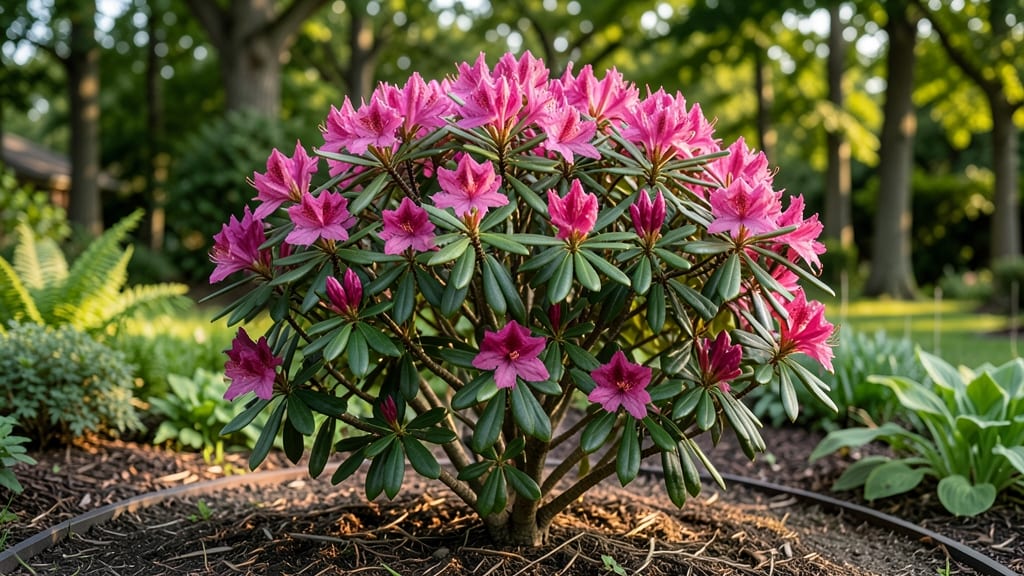
Growing azalea bushes as perennials means year-round beauty that starts with the right soil and sunlight. 🌸 I learned the hard way that azaleas hate alkaline soil—my first attempt died within a year because I ignored the acidity test.
The secret is matching their natural habitat: slightly acidic soil, morning sun, and afternoon shade to protect delicate blooms.
Once planted, they’re low-maintenance stars. Water deeply once a week during dry spells (more in summer), and feed with acid-loving fertilizer in early spring. Prune right after blooming to shape the bush—just snip spent flowers and thin crowded branches.
Skip heavy pruning; azaleas bloom on old wood, so aggressive cuts mean fewer flowers next season.
What you’ll love most is their four-season presence: glossy evergreen leaves in winter, spectacular spring blooms, and even occasional summer flowers if happy. The scent alone—like a garden’s secret perfume—makes the effort worth it.
Just avoid overwatering (root rot is their kryptonite) and you’re set for decades of color.
Works in zones 5-9, though southern gardeners need afternoon shade. My azaleas thrive under pine trees where others struggle—proving they’re tougher than they look. Ready to make yours the showstopper of your yard?
📚 In This Guide
- What you need
- Instructions
- Tips and common mistakes
- Wrapping up and next steps
What you need
- ● Azalea plants: Choose perennial varieties like Rhododendron spp. (e.g., Rhododendron simsii or Rhododendron indicum). Buy 3–5 mature plants (3–5 ft tall) for a full, lush look.
- ● Well-draining acidic soil: Aim for pH 4.5–6.0. Mix 2 parts peat moss or pine bark with 1 part garden soil.
- ● Organic mulch: 3–4 inches of pine straw, pine bark, or leaf mold to retain moisture and acidity.
- ● Slow-release fertilizer: 10–10–10 or 12–12–12 (acid-loving plant formula) applied twice a year (spring and early fall).
- ● Watering can or hose with a gentle spray nozzle: Azaleas hate soggy roots—water deeply 1–2 times per week (adjust for climate).
- ● Bypass pruners: Sharp, clean pruners (for thin stems) to avoid tearing.
- ● Loppers: For thicker branches (up to 1.5 inches in diameter).
- ● Hand pruners: Small, precise for shaping and deadheading spent blooms.
- ● Gloves: Garden gloves (nitrile or leather) to protect from thorns and sap.
- ○ Disinfectant (optional): 70% rubbing alcohol or bleach solution (1:9) to sterilize tools between cuts.
- ● Soil pH test kit: Ensure your soil stays in the acidic range (re-test annually).
- ● Azalea-specific fungicide: Copper-based or neem oil for prevention of petal blight or root rot.
- ● Staking or support: For young or leggy plants (use bamboo stakes or soft ties).
- ● Drip irrigation system: Automates watering for consistent moisture (great for large plantings!).
Step-by-step guide to year-round azalea care and pruning
Transform your azalea into a thriving perennial with seasonal trimming that enhances blooms and health.
🌿 Step 1: Understand Azalea Growth Habits and Timing
Azaleas bloom on old wood, meaning last year's growth produces this year's flowers. Prune immediately after blooming—typically in late May to early June—to avoid cutting off next season's buds. If you prune too early, you risk removing flower buds that haven't yet formed. I always mark the blooming period on my calendar so I never miss this critical window.
Look for spent flowers (those with brown, dried petals) as your cue. These indicate the plant has finished its primary blooming cycle. Avoid heavy pruning in fall or winter, as this can expose tender growth to cold damage. Azaleas are evergreen, so their foliage stays vibrant year-round, but their flowering cycle is strictly tied to seasonal timing.
✂️ Step 2: Prune for Shape and Airflow
Use clean, sharp pruning shears to make cuts just above a bud or branch junction. Never leave stubs—this invites disease and weakens the plant. Start by removing any dead, diseased, or crossing branches first. These are your priorities because they compromise the plant's health and airflow. I like to step back every few cuts to visualize the shape I'm creating.
Thin out crowded areas to improve airflow, which prevents fungal issues like powdery mildew. Aim to open up the center of the bush so light can reach inner branches. You'll know you've done well when you can see light filtering through the foliage without casting heavy shadows. Prune no more than one-third of the plant's total volume in a single session to avoid stressing it.
☀️ Step 3: Maintain Seasonal Care After Pruning
Azaleas thrive in partial shade to full shade, with morning sun and afternoon shade being ideal. After pruning, monitor their light exposure—if leaves start yellowing or scorching, they're getting too much direct sun. Mulch around the base with 2-3 inches of organic mulch (like pine bark) to retain moisture and regulate soil temperature.
Water deeply once a week during dry spells, ensuring the soil stays evenly moist but not soggy. Azaleas prefer acidic soil (pH 4.5-5.5), so test your soil annually and amend with sulfur or peat moss if needed. Fertilize in early spring with an acid-loving plant fertilizer to support new growth and next year's blooms.
⏰ Step 4: Plan for Year-Round Health and Bloom Renewal
In late summer, apply a light layer of compost around the base to replenish nutrients. This feeds the roots for next season's growth. Watch for new growth flushes in early summer—these are your plant's way of preparing for next year's flowers. Avoid heavy pruning during this time, as it can disrupt the flowering cycle.
Over winter, protect young or newly planted azaleas with a thick layer of mulch (4-6 inches) to insulate roots from freezing temperatures. Mature azaleas usually handle winter well, but a blanket of mulch helps retain moisture and prevents soil heaving. Prune lightly in early spring only to remove any winter-damaged branches, keeping the plant's natural shape intact.
Tips & tricks for perfect azalea bush pruning
These seasoned strategies will help you transform your azalea into a showstopper while avoiding common pitfalls that can stifle its beauty.
Timing is Everything: The late May to early June window for post-bloom pruning is non-negotiable for azaleas. I learned this the hard way after accidentally pruning too early and losing next year's flower buds entirely. Wait until you see those brown, dried petals—they're nature's way of telling you it's safe to trim. If you're unsure, snap a photo of your azalea's blooms at peak and compare it to the spent flowers later.
Tool Mastery: Your pruning shears should be sharper than your focus on the perfect cut. Dull blades crush stems instead of making clean cuts, which invites disease. I keep a small file in my gardening toolkit to sharpen blades between uses. Always make cuts just above a bud or branch junction—this encourages new growth in the right direction. Pro tip: Wipe your shears with rubbing alcohol between cuts on different plants to prevent cross-contamination.
Airflow Architecture: Think of your azalea like a well-ventilated greenhouse—light and air need to circulate freely. When thinning crowded areas, aim to create that "light filtering through" effect mentioned in Step 2. I find it helpful to sketch a rough diagram before pruning, marking which branches to remove to open up the center. This prevents that "haircut gone wrong" look where the plant ends up lopsided.
Seasonal Soil Strategy: That 2-3 inch layer of organic mulch isn't just for looks—it's a moisture regulator and temperature stabilizer. In summer, it keeps roots cool; in winter, it acts like a cozy blanket. I use pine bark mulch because it naturally acidifies the soil over time, which azaleas love. Just remember to keep the mulch 2-3 inches away from the trunk to prevent rot. For winter protection, double that to 4-6 inches around young plants.
Pro Tips for Azalea Bush Perennial
- These seasoned strategies will help you transform your azalea into a showstopper while avoiding common pitfalls that can stifle its beauty.
- Timing is Everything: The late May to early June window for post-bloom pruning is non-negotiable for azaleas.
- Tool Mastery: Your pruning shears should be sharper than your focus on the perfect cut.
Frequently asked questions
Got questions about keeping your azalea bush perennial thriving?
Here are answers to the most common ones—so you can enjoy that stunning seasonal beauty without the guesswork!
When is the best time to prune my azalea bush?
Prune your azalea bush right after it blooms (typically late spring to early summer). This ensures you don’t cut off next year’s flower buds, which form on last year’s growth. Avoid heavy pruning in fall or winter, as it can stress the plant.
How much can I trim back an overgrown azalea bush?
You can safely remove up to one-third of the plant’s height in a single pruning session. Focus on shaping, thinning out dense areas, and removing dead or crossing branches. Never shear into a ball shape—azaleas look best with natural, layered growth!
Why are my azalea leaves turning yellow or brown?
Yellowing leaves often signal overwatering or poor drainage, while brown edges can mean underwatering or sunburn. Check soil moisture and ensure your azalea gets morning sun and afternoon shade. Fungal issues (like leaf spot) may also be the culprit—prune affected areas and apply fungicide if needed.
Can I grow azaleas in containers, or are they only for gardens?
Azaleas thrive in 15- to 20-gallon containers with well-draining soil. Use a mix of peat moss, perlite, and pine bark for optimal growth. Just remember: container-grown azaleas need more frequent watering and may require winter protection in cold climates.
Do azaleas need winter care, and how do I protect them?
In colder zones (below USDA Zone 7), mulch the base with 3–4 inches of organic mulch (like pine straw) to insulate roots. Avoid heavy pruning in late fall, and water deeply before the ground freezes. Evergreen azaleas may need burlap wrapping for extra protection.
Pro Tip:
For healthier blooms next year, fertilize your azalea in early spring with an acid-loving plant formula (like 8-3-9). Avoid high-nitrogen fertilizers—they promote leafy growth at the expense of flowers!
Wrapping up and next steps
Transforming your azalea bush perennial into a stunning year-round feature is totally within reach! With the right tools, timing, and a little patience, you’ll enjoy vibrant blooms and lush foliage that brighten any garden. Remember, pruning isn’t just about cutting—it’s about nurturing your azalea’s health and beauty.
Ready to take the next step? Start small—pick one season to focus on first, then build your confidence. Before you know it, your azalea will be the showstopper of your landscape! 🌸✂️