
Shrubs
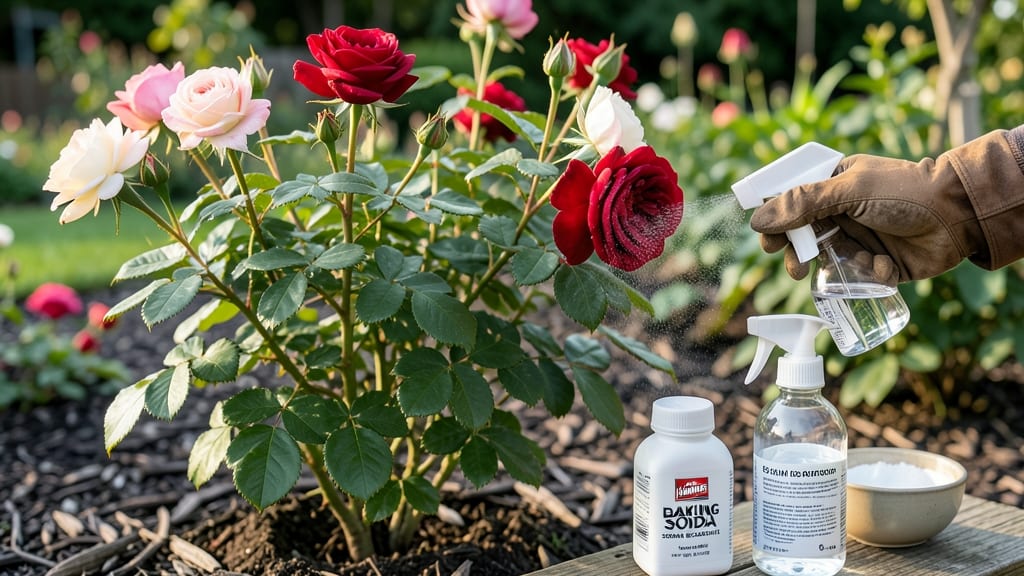
My rose bushes looked like they’d given up—until I discovered baking soda for roses. 🌹 The white powder in my cabinet became the secret weapon that revived wilted blooms, wiped out powdery mildew, and kept pests away without harsh chemicals.
It’s not magic, but it’s close to it when your roses start looking like they’re fighting back.
The trick is simple: baking soda disrupts fungal spores and pests while providing a mild alkaline boost that roses actually need. I mix it with water and a drop of dish soap for a spray that sticks to leaves and stems.
No fancy equipment—just what’s already in your kitchen. The first spray gives instant relief, and regular applications keep roses thriving all season.
You’ll notice new buds within days, and the glossy green leaves will tell you the treatment’s working. The best part? It’s safe for your garden, your family, and even the bees that pollinate your roses.
Just avoid using it if your soil is already alkaline—test first with a simple pH kit.
Perfect for organic gardeners, busy homeowners, or anyone tired of chemical sprays. Here’s how to make it work without overdoing it—because sometimes less really is more.
📚 In This Guide
- What you need
- Instructions
- Tips and common mistakes
- Wrapping up and next steps
What you need
- ● Baking soda – 1–2 tablespoons (food-grade, unscented)
- ● Water – 1 gallon (room temperature or slightly warm)
- ● Spray bottle – 16–32 oz (for even distribution)
- ● Garden gloves – 1 pair (to protect your hands)
- ○ Soft-bristle brush – optional but helpful (for gently scrubbing foliage)
- ● Neem oil or horticultural oil – 1 tsp (adds antifungal properties)
- ● Dish soap – ½ tsp (mild, unscented; helps mixture stick to leaves)
- ● Pruning shears – for trimming dead or diseased foliage before treatment
- ● pH testing kit – to check soil acidity (ideal: 6.0–6.5 for roses)
Instructions for using baking soda to revitalize rose bushes
Here’s how I bring roses back to life with a simple, science-backed solution you likely already have at home.
🌿 Step 1: Prepare the Baking Soda Solution
Mix 1 tablespoon of baking soda with 1 gallon of lukewarm water in a clean bucket. Stir gently until fully dissolved—no clumps should remain. This creates a mild alkaline solution that helps restore pH balance and opens clogged pores on the leaves.
I always use lukewarm water because cold water can shock the plant, while hot water might degrade the baking soda’s effectiveness. If your water is particularly hard (noticeable white residue in your kettle), let it sit uncovered for 24 hours before mixing to reduce mineral content.
💧 Step 2: Apply the Solution to Wilted Blooms
Fill a spray bottle with the baking soda mixture and mist the wilting blooms, leaves, and stems until thoroughly damp. Focus on the undersides of leaves where fungal spores often hide. You’ll see droplets clinging to petals—that’s your signal the solution is working.
For stubbornly wilted roses, I repeat the application every 3-4 hours until the blooms perk up. Avoid spraying in direct sunlight, as the baking soda can leave white residue that may burn tender petals when magnified by heat.
☀️ Step 3: Follow Up with Proper Care
After treatment, move the rose bush to a shaded area for the rest of the day. This prevents stress from sun exposure while the plant recovers. Water the base of the bush with plain water to rinse away any residual baking soda that might accumulate in the soil.
Watch for new growth within 24-48 hours. If blooms don’t revive after two treatments, check for deeper issues like root rot or pests. Baking soda is a quick fix, but consistent watering and mulching will keep roses thriving long-term.
✂️ Step 4: Prevent Future Wilting
Trim any dead or damaged blooms immediately after revival to redirect the plant’s energy. I always prune with clean, sharp shears to avoid spreading disease. Apply a light layer of mulch around the base to retain moisture and regulate soil temperature.
For ongoing care, I mix ½ teaspoon of baking soda into the soil around the bush once a month during growing season. This preemptive step helps maintain healthy pH levels and keeps roses vibrant without overworking the plant.
Tips & tricks for reviving rose bushes with baking soda
Here's what nobody tells you about making this quick fix work perfectly every time.
Solution Strength: The 1 tablespoon per gallon ratio is perfect for most wilting roses, but for severely stressed bushes, you can increase to 1½ tablespoons. This stronger solution helps break down stubborn clogs in plant pores faster. Just remember to rinse thoroughly after treatment to prevent salt buildup in the soil.
Water Quality Matters: If your tap water leaves white residue in your kettle, that hard water will reduce the baking soda's effectiveness. The 24-hour settling time before mixing removes minerals that can interfere with the solution's pH balance. For fastest results, use filtered or rainwater if possible—it's pure enough to work immediately without settling.
Application Technique: When spraying in Step 2, focus on creating a fine mist rather than heavy droplets. This ensures even coverage without weighing down the petals. I like to spray early morning or evening when temperatures are cooler—this prevents the baking soda from drying too quickly on the leaves, which can cause white residue buildup.
Follow-Up Care: The 24-48 hour window for new growth is your best indicator of success. If you don't see signs of revival by 48 hours, check the roots for rot or pests before applying another treatment. I've found that combining this method with a light layer of mulch after treatment helps maintain moisture levels during recovery.
Pro Tips for Baking Soda For Rose Bushes
- Here's what nobody tells you about making this quick fix work perfectly every time.
- Solution Strength: The 1 tablespoon per gallon ratio is perfect for most wilting roses, but for severely stressed bushes, you can increase to 1½ tablespoons.
- Water Quality Matters: If your tap water leaves white residue in your kettle, that hard water will reduce the baking soda's effectiveness.
Frequently asked questions
Got questions about using baking soda for your rose bushes?
You’re not alone! Here are answers to the most common queries to help you grow thriving, disease-resistant roses with ease.
How often should I apply baking soda to my rose bushes?
Apply baking soda every 2–4 weeks during the growing season (spring to fall). For fungal issues like black spot, use it weekly until symptoms improve. Avoid overuse—too much can disrupt soil pH. Always rinse plants after treatment to prevent residue buildup.
Can I use baking soda if my roses already have black spot or powdery mildew?
Yes! Baking soda is effective for mild to moderate fungal issues. Mix 1 tablespoon with 1 gallon of water and a drop of dish soap for better adhesion. Spray undersides of leaves (where fungi thrive) and stems. For severe infections, combine with a fungicide or repeat treatments every 5–7 days.
Is baking soda safe for all types of roses?
Baking soda is generally safe for most roses, but avoid using it on hybrid teas or delicate varieties if they’re stressed or in full sun—it can cause leaf burn. Test on one branch first. Organic roses and heirloom varieties typically tolerate it well. Always dilute properly (1 tbsp per gallon).
What’s a good alternative if I don’t have baking soda?
If baking soda isn’t available, try these natural fungicides:
- Neem oil: Mix 1–2 tbsp with water and a drop of soap. Spray leaves to prevent fungal spores.
- Milk spray: 1 part milk to 9 parts water (contains antifungal properties).
- Hydrogen peroxide (3%): Dilute 1 tbsp in 1 quart of water for a quick disinfectant.
- Copper fungicide: Store-bought options like Copper Soap are highly effective.
Why do my rose leaves turn brown after using baking soda?
Brown leaves usually mean overapplication or improper dilution. Baking soda can cause leaf burn if too concentrated or applied in direct sunlight. Always:
- Use 1 tbsp per gallon of water (no more).
- Apply in the early morning or evening to avoid evaporation.
- Rinse plants 24 hours later to remove residue.
Wrapping up and next steps
Transforming your rose bushes with baking soda is a simple, budget-friendly way to revitalize their health and beauty—without harsh chemicals! 🌸 Whether you're tackling fungal issues, boosting growth, or restoring wilted blooms, this natural remedy offers a gentle yet effective solution.
Your roses deserve the best, and now you have the tools to give them a vibrant, thriving second life.
Ready to see the difference? Grab your baking soda and get started today! For even more tips, check out our guide on maintaining lush rose bushes year-round.