
Shrubs
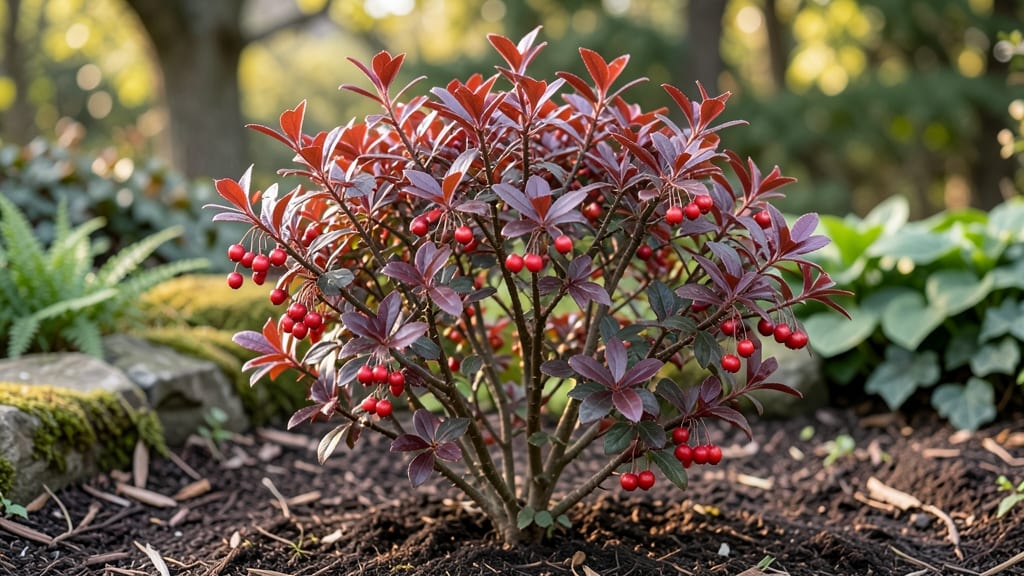
That deep, fiery red barberry bush transforms your yard into a living masterpiece—bold foliage that stays stunning from spring through winter. 🌿 I planted mine three years ago, and it’s now the showstopper of my front border, its glossy leaves turning even more vibrant when temperatures drop.
The secret to its drama? Full sun and well-draining soil—it thrives where many shrubs struggle. Mine’s in a spot that gets 6+ hours of direct sunlight, and the roots stay happy in slightly acidic, sandy loam. No fancy amendments needed; just dig, plant, and water deeply once.
By late summer, you’ll see clusters of tiny yellow flowers followed by bright red berries that birds adore. The foliage turns burgundy-red in fall, and even in winter, the stems add texture to bare branches. Prune lightly after flowering to keep it compact.
Perfect for hedges, foundation plantings, or as a standalone statement shrub. Here’s how to make yours thrive—without the guesswork.
📚 In This Guide
- What you need
- Instructions
- Tips and common mistakes
- Wrapping up and next steps
What you need
- ● Barberry Bush Red plants: 3–5 mature shrubs (or 1–2 young plants for smaller spaces). Choose Berberis thunbergii ‘Red Baron’ or similar cultivars for vibrant red foliage.
- ● High-quality potting soil: 5–10 gallons (or a 50-pound bag for in-ground planting). Opt for a mix with compost for drainage.
- ● Organic mulch: 2–3 cubic feet (e.g., shredded bark or pine straw) to retain moisture and suppress weeds.
- ● Garden gloves (heavy-duty, for thorny branches!).
- ● Trowel or spade (for transplanting).
- ● Pruning shears (bypass-style, sharpened for clean cuts).
- ● Watering can or hose with a gentle spray nozzle.
- ○ Wheelbarrow (optional, for hauling soil/mulch).
- ● A sunny to partially shaded spot (6+ hours of light for best color).
- ● Well-draining soil (amend clay soil with sand or gravel if needed).
- ● Spacing: 3–5 feet apart (adjust for mature size).
- ● Season timing: Plant in spring or early fall for optimal root establishment.
- ● Slow-release fertilizer (e.g., 10-10-10, apply in early spring).
- ● Decorative rocks or edging to highlight the shrubs.
- ● Bird-friendly perches (barberries attract wildlife!).
Step-by-Step guide to planting and caring for a bold red barberry bush
Here's how to plant and nurture this striking shrub for vibrant foliage year-round.
🌱 Step 1: Choose the Perfect Planting Spot
Barberry bushes thrive in full sun to partial shade, with at least 6 hours of sunlight daily. I always pick a location with good air circulation to prevent fungal diseases. The soil should drain well—barberries hate soggy roots, so avoid low spots where water pools.
Test your spot by digging a small hole. If water sits in it after 10 minutes, amend the soil with 2-3 inches of compost or plant on a slight mound. Red barberries tolerate a range of soil types, but they perform best in slightly acidic to neutral soil with a pH between 6.0 and 7.0.
🪴 Step 2: Dig and Prepare the Planting Hole
Dig a hole twice as wide as the barberry's root ball but only as deep. This encourages roots to spread horizontally rather than settling too low. Gently loosen the roots if they're circling tightly—this prevents transplant shock and helps the bush establish faster.
Mound the native soil in the center of the hole so the barberry sits slightly higher than its original planting level. This small elevation improves drainage, especially in clay-heavy soils. Mix a handful of slow-release fertilizer into the backfill soil to give your new plant a nutrient boost right away.
💧 Step 3: Plant and Water Thoroughly
Place the barberry in the hole, ensuring the top of the root ball sits 1 inch above soil level. This prevents water from pooling around the stem, which can cause rot. Backfill with native soil, pressing gently to remove air pockets but not compacting too firmly.
Water immediately after planting to settle the soil and remove air gaps. Give it 1 gallon of water per foot of plant height—so a 3-foot barberry gets about 3 gallons. The soil should be moist 6 inches down after watering. Mulch with 2-3 inches of organic mulch, keeping it 3 inches away from the stem to prevent rot.
☀️ Step 4: Maintain Through the First Year
Water your barberry once a week during the first growing season, providing 1-2 gallons per watering depending on heat and rainfall. Check moisture by sticking your finger 2 inches into the soil—water when it feels dry. Avoid overhead watering, which can spread fungal diseases.
Fertilize lightly in early spring with a balanced 10-10-10 fertilizer, applying ½ cup per foot of plant height. Red barberries are naturally low-maintenance, so avoid heavy feeding—they’ll focus on leaf production over flowers and berries. Prune only to remove dead or crossing branches in late winter or early spring.
✂️ Step 5: Prune for Shape and Health
Prune your barberry in late winter or early spring, before new growth begins. I always start by removing any dead, diseased, or damaged branches with clean, sharp pruners. Cut just above a bud or side branch to encourage healthy regrowth.
Shape the bush by trimming back overgrown branches to maintain its natural form. Never cut into old wood—red barberries produce new growth from the tips, so avoid heavy pruning that removes too many branches at once. After pruning, give the plant a light watering to help it recover quickly.
Tips & tricks for perfect barberry bush planting
Real talk: The difference between a thriving red barberry and one that struggles often comes down to these small but critical details.
Sunlight Secret: While barberries handle partial shade, those 6 hours of sunlight are non-negotiable for the vibrant red foliage you're after. I've seen barberries planted in shadier spots develop duller leaves—if you're in a low-light area, supplement with a grow light during winter months when days shorten. The payoff? Year-round color that pops.
Drainage is Everything: That 10-minute water test in Step 1 is your best friend. I've made the mistake of planting in spots that seemed fine until heavy rains caused root rot. If your soil drains slowly, create a raised bed or amend with perlite. The goal is to mimic their natural rocky, well-drained habitats. Think of it as giving your barberry the perfect foundation.
Watering Wisdom: The 1 gallon per foot rule in Step 3 might seem generous, but it's crucial. I learned this the hard way when my first barberry wilted after a dry spell—it needed more water than I expected. Water deeply but infrequently to encourage deep root growth. And that 6-inch moisture check is your best indicator: if it's dry at that depth, it's time to water again.
Pruning Precision: When pruning in late winter, focus on removing only what's necessary. I've seen gardeners over-prune, which can leave barberries looking skeletal. Cut just above a bud at a 45-degree angle to prevent water from pooling on the cut. This simple technique keeps your bush looking full and healthy while encouraging new growth from the tips.
Pro Tips for Barberry Bush Red
- Real talk: The difference between a thriving red barberry and one that struggles often comes down to these small but critical details.
- Sunlight Secret: While barberries handle partial shade, those 6 hours of sunlight are non-negotiable for the vibrant red foliage you're after.
- Drainage is Everything: That 10-minute water test in Step 1 is your best friend.
Frequently asked questions
Got questions about keeping your Barberry Bush Red thriving? You’re not alone! Here are answers to the most common queries about this stunning shrub’s care, growth, and maintenance.
How fast does a Barberry Bush Red grow?
The Berberis thunbergii ‘Red’ grows at a moderate pace—about 12 to 24 inches per year under ideal conditions. With proper pruning and soil, it can reach 6 to 8 feet tall and wide in 5–10 years. Patience pays off for that lush, vibrant foliage!
Does Barberry Bush Red need full sun?
While it thrives in full sun (6+ hours daily), this barberry tolerates partial shade (3–6 hours), especially in hotter climates. In shadier spots, expect slightly duller red foliage and slower growth. Aim for morning sun + afternoon shade for balance.
Is Barberry Bush Red cold-hardy?
This shrub is USDA Zones 4–8 hardy, meaning it survives down to -30°F (-34°C). It’s drought-tolerant once established but may need winter mulch in Zone 4 for extra protection against harsh winds.
When and how should I prune Barberry Bush Red?
Prune in late winter or early spring (before new growth) to shape the shrub and encourage dense foliage. Use clean, sharp shears to cut back overgrown branches by 1/3. Avoid heavy pruning in fall—it can stimulate tender growth vulnerable to frost.
Are there pests or diseases to watch for?
Barberry Bush Red is low-maintenance but not pest-proof. Watch for:
- Spider mites (dry conditions) – Spray with water or neem oil.
- Japanese beetles – Handpick or use organic sprays.
- Fungal issues (like powdery mildew) – Improve airflow and avoid overhead watering.
Resistant to most diseases, but yellowing leaves may signal overwatering or poor drainage.
Can I grow Barberry Bush Red in containers?
Yes! It adapts well to large containers (15+ gallons) with fast-draining soil. Choose a pot with drainage holes and fertilize monthly in spring/summer. Just know it’ll need regular pruning to control size and winter protection in colder zones.
Wrapping up and next steps
The Barberry Bush Red isn’t just a shrub—it’s a year-round showstopper that brings bold color, texture, and resilience to any landscape. Whether you’re drawn to its fiery foliage, low-maintenance charm, or wildlife-friendly benefits, this plant proves that beauty and practicality go hand in hand. 🌿✨
Ready to transform your outdoor space? Start by choosing the perfect spot and planting with confidence. Then, enjoy the satisfaction of nurturing a shrub that thrives with minimal effort—while turning heads all season long!