
Shrubs
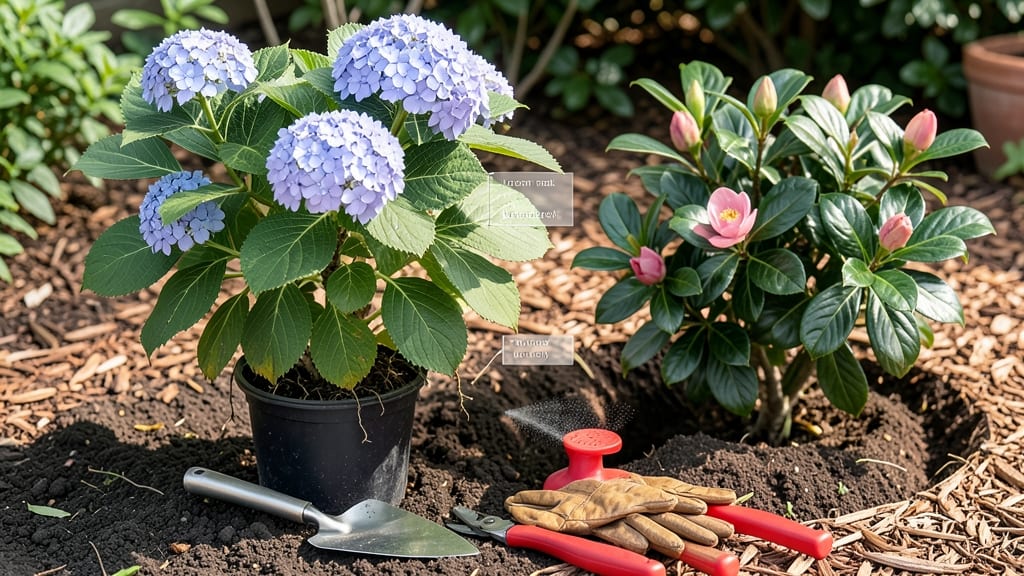
Transplanting shrubs and bushes at the right time can make the difference between a thriving landscape and a sad investment 🌿 — and the best window is either late fall or early spring.
Transplanting shrubs and bushes at the wrong time can stress your plants and reduce survival rates—so timing is everything for a thriving garden. Too early, and you risk damaging new roots in warm soil; too late, and frost can set in before they establish.
Most gardeners in Zone 6a swear by late fall, when cooler temperatures help roots settle before winter dormancy. Others prefer early spring, giving plants a head start before summer’s heat arrives. Both approaches work, but the key is avoiding extreme heat or cold.
Below, I break down the pros of each season, how to prep your shrubs for minimal shock, and which varieties handle each window best—so you can choose the strategy that fits your climate and plants.


Late fall vs early spring transplanting: which season wins for shrubs?
Deciding when to transplant your shrubs and bushes can feel like a high-stakes gardening puzzle. The best time to transplant shrubs and bushes often hinges on whether you choose late fall or early spring, each offering unique advantages.
Late fall provides cooler temperatures and reduced stress, while early spring kickstarts active growth and longer daylight hours. But which season truly wins for your plants?
Your climate zone plays a starring role in this decision. In USDA Zones 5-7, late fall often emerges as the champion, allowing shrubs to establish roots before winter dormancy. Meanwhile, gardeners in warmer Zones 8-10 might lean toward early spring to avoid winter rains or heat stress.
Let’s break down the pros, cons, and perfect conditions for each transplanting window to help you make the best choice for your garden.
🌿 Comparison Table: Late Fall vs Early Spring Transplanting
Late fall transplanting shines when you prioritize root establishment before dormancy. The cooler temperatures reduce transplant shock, allowing shrubs like azaleas and rhododendrons to settle in without the stress of summer heat. This season works exceptionally well in USDA Zones 5-7, where winters are harsh.
I’ve found that deciduous shrubs thrive in late fall because they enter dormancy naturally, giving roots time to harden off before freezing temperatures arrive.
On the flip side, early spring transplanting capitalizes on active growth periods. Shrubs like hydrangeas and boxwoods benefit from the longer daylight hours and warmer soil, which speeds up root development. Early spring is ideal for evergreen shrubs that need to establish roots before summer’s peak heat.
In Zones 8-10, where winters are mild, early spring avoids the risk of winter rains or heatwaves that can stress newly transplanted plants.
Regional climate considerations can’t be overstated. For example, in Pacific Northwest gardens, late fall transplanting is often preferred due to the region’s mild, wet winters. Meanwhile, in the Southeastern U.S., early spring transplanting aligns better with the drier, warmer conditions that follow winter rains.
Always check your local frost dates—aiming for 6-8 weeks before the first frost in fall or 4-6 weeks after the last frost in spring ensures your shrubs have ample time to adjust.
Another critical factor is the type of shrub you’re transplanting. Broadleaf evergreens, such as holly or camellia, often handle early spring transplanting better because their leaves can photosynthesize immediately, fueling new root growth.
In contrast, deciduous shrubs like serviceberry or smoke bush may fare better in late fall, as they won’t need to support foliage during the root establishment phase.
Let’s not forget the role of soil temperature. In late fall, soil remains warm enough to encourage root growth but cool enough to prevent fungal diseases that thrive in summer humidity.
Early spring, however, offers the advantage of warmer soil temperatures combined with increased rainfall, which can jumpstart recovery. If you’re in a drought-prone area, early spring might require more frequent deep watering to compensate for lower natural moisture levels.
One of my favorite late fall transplanting tips is to mulch heavily—using 3-4 inches of organic mulch like shredded bark or leaves—to insulate roots and retain moisture. In early spring, I focus on light fertilization (a balanced 10-10-10 formula) to encourage foliage growth without overstimulating roots.
Both seasons demand attention to watering schedules, but the approach differs: late fall calls for <
How to prepare shrubs for transplanting in late fall or early spring
Transplanting shrubs at the wrong time can turn your hard work into wasted effort. The key to success lies in seasonal timing and proper preparation. Whether you're moving evergreens, deciduous shrubs, or ornamental bushes, late fall and early spring offer the best windows for minimal stress.
These seasons provide cooler temperatures and moist soil, helping roots establish before extreme weather hits.
For early spring transplanting, aim for 4-6 weeks before your last frost date—typically March or early April in most regions. This gives roots time to grow before summer heat arrives.
If you prefer late fall transplanting, schedule it 6-8 weeks before the first frost, usually September or October. Both times avoid the plant's peak growing season, reducing transplant shock.
Trim back 1/3 of the foliage to reduce stress. For spring transplanting, prune lightly to encourage new growth. In fall, prune more aggressively to promote root development before dormancy.
Soak the root ball thoroughly to minimize root damage during digging. This ensures the shrub stays hydrated during the transplant shock phase, which lasts 2-4 weeks.
The hole should be twice as wide as the root ball but only as deep. Loosen the sides to encourage root expansion into the surrounding soil.
Mix compost or aged manure into the native soil to improve drainage and fertility. For sandy soil, add peat moss; for clay soil, incorporate perlite.
Place the shrub in the hole, ensuring the root flare is above soil level. Backfill with amended soil, then water deeply to eliminate air pockets. Use a mulch ring to retain moisture.
After transplanting, watering consistency is critical. For the first 2-3 weeks, water deeply every 3-4 days to help roots establish. In early spring, reduce watering slightly as temperatures rise, while late fall transplanting may require more frequent watering to prevent winter desiccation in evergreens.
Monitor your shrubs for signs of transplant shock, like wilting or yellowing leaves. If you notice stress, apply a root-stimulating fertilizer like mycorrhizal fungi to boost root growth. Avoid heavy pruning for at least 6 weeks post-transplant to let the plant focus on root development rather than foliage.
With proper preparation, your shrubs will thrive whether transplanted in late fall or early spring. The key is balancing timing, soil health, and post-care—giving your plants the best chance to flourish in their new home. 🌿