
Plants
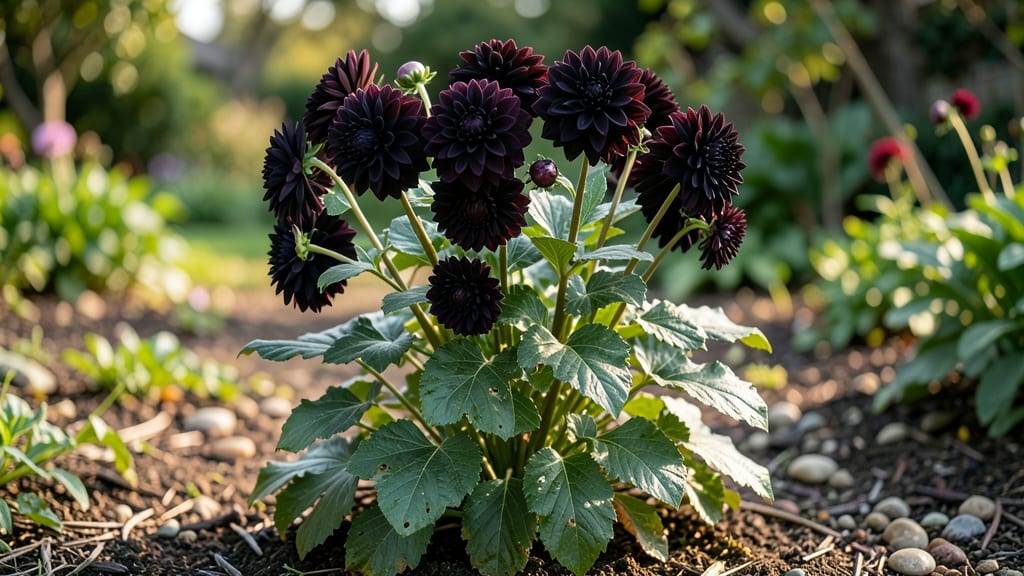
Growing a black dahlia bush transforms your garden into a moody masterpiece. 🌿 I’ve nurtured these dramatic plants for years, and the secret to their velvety blooms lies in deadheading—something most gardeners overlook until it’s too late.
Start with rich, well-draining soil and full sun to coax those deep purple-black blooms. Dahlias thrive when staked early, and regular watering keeps stems sturdy. The payoff? A bush so striking it stops conversations—and deadheading every morning ensures nonstop blooms all season.
Black dahlias demand attention, but the results are worth it. Their glossy foliage and velvety blooms make them the star of any garden. Just remember: prune aggressively in spring, stake before they tower, and never skip deadheading. Your garden will thank you with bold, drama-worthy blooms from summer to frost.
📚 In This Guide
- What you need
- Instructions
- Tips and common mistakes
- Wrapping up and next steps
What you need
- ● Black Dahlia Tubers: 3–5 healthy, disease-free tubers (choose certified varieties like 'Black Narcissus' or 'Black Knight').
- ● Well-draining Potting Mix: 5–10 gallons (depending on pot size), enriched with compost or organic matter.
- ● Containers or Garden Bed: For containers: 12–15" deep pots with drainage holes (1 per tuber).
- ● For in-ground: Full sun (6+ hours/day) and loose, fertile soil (amend with compost if needed).
- ● Slow-Release Fertilizer: Balanced (10-10-10) or dahlia-specific, mixed into soil at planting.
- ● Watering Can or Hose: With a gentle spray nozzle for hydration.
- ● Pruning Shears: Sharp, sterilized shears for deadheading and shaping.
- ● Mulch: Organic mulch (straw or shredded bark) to retain moisture and suppress weeds.
- ● Plant Support: Stakes or cages (4–6 ft tall) for tall varieties.
- ● Epsom Salt: 1 tbsp/month for magnesium boost (especially in clay soils).
- ● Dahlia Food: Liquid bloom booster (like fish emulsion) for extra vibrancy.
- ● Gloves & Hat: For sunny-day comfort while gardening!
Step-by-Step instructions for cultivating a striking black dahlia bush
Here's how I grow bold, healthy black dahlias that bloom nonstop—no fancy tricks, just smart care.
🌱 Step 1: Choose Your Planting Location and Prepare the Soil
Black dahlias thrive in full sun—at least 6 hours daily. I pick the sunniest spot in my garden because they need that light to develop their deep, dramatic color. The soil should drain well; dahlias rot easily if their feet stay wet. Amend heavy soil with 2-3 inches of compost or aged manure to loosen it up.
Dig a hole about 18-24 inches wide and 12 inches deep—dahlias have long taproots that need room to spread. Mix a handful of slow-release fertilizer (like 10-10-10) into the bottom of the hole. This gives the roots a nutrient boost right from the start. I always test the soil pH first—dahlias prefer 6.5-7.0—and adjust with lime if needed.
🌿 Step 2: Plant Tubers Correctly for Strong Growth
Plant your black dahlia tubers 4-6 weeks before your last frost date—they need time to establish roots before warm weather. Place the tuber 2-3 inches deep in the soil, with the "eye" (the small bump where stems will sprout) facing upward. If you're planting multiple tubers, space them 18-24 inches apart so they have room to grow.
Cover the tuber lightly with soil and water gently but thoroughly. You won’t see shoots for a few weeks—that’s normal. Keep the soil consistently moist (not soggy) until you see first true leaves appear. That’s your signal the roots are active and growing. I like to mulch around the base with 2-3 inches of straw to retain moisture and keep weeds down.
☀️ Step 3: Provide Consistent Care for Peak Blooms
Water your black dahlia bush deeply 1-2 times per week, depending on your climate. The key is to keep the soil evenly moist—never let it dry out completely, but avoid waterlogging. I water at the base in the morning so the foliage stays dry, which prevents fungal diseases like powdery mildew.
Feed your dahlias every 2-3 weeks during the growing season with a balanced liquid fertilizer. I switch to a phosphorus-heavy formula (like 5-10-5) when buds form to encourage more blooms. Deadhead spent flowers immediately by snipping the stem just above a set of leaves. This redirects the plant’s energy into producing new blooms instead of seeds.
✂️ Step 4: Prune for Bushier Growth and Longer Blooming
Pinch back the main stem when it reaches 12-18 inches tall to encourage branching. This simple step turns a single stem into a full, bushy plant with dozens of blooms. I also remove any weak or leggy stems at the base to focus the plant’s energy on strong growth.
Watch for signs of stress—yellowing leaves often mean overwatering, while crispy edges signal underwatering. If you see aphids or other pests, treat them early with neem oil or insecticidal soap. Dahlias are heavy feeders, so don’t skimp on nutrients. By mid-summer, your black dahlia should be a dramatic centerpiece, bursting with deep, velvety blooms.
Tips & tricks for cultivating stunning black dahlias
Even the most experienced gardeners can miss these key details that make all the difference with black dahlias.
Sunlight Strategy: Those 6 hours of full sun are non-negotiable for deep black blooms, but here's the thing: morning sun is your best friend. Position your dahlias to catch the brightest light between 8 AM and 10 AM. The intense morning rays help develop that rich, velvety color we all love, while afternoon sun can sometimes stress the plants, especially in hot climates. I've noticed my dahlias develop a more intense hue when they get this morning light priority.
Soil Prep Secret: When amending your soil with 2-3 inches of compost in Step 1, don't just mix it in—create a "soil cocktail." Combine equal parts compost, aged manure, and native soil. This layered approach gives your dahlias both immediate nutrients and long-term organic matter. I also add a handful of perlite to improve drainage, especially if your soil tends to stay damp. The goal is that perfect balance between moisture retention and drainage that dahlias crave.
Tuber Planting Tip: That 2-3 inch deep planting depth in Step 2 is crucial, but here's what nobody tells you: the "eye" should be just barely covered. If you bury it too deeply, you'll delay sprouting. I make a small mound of soil around the tuber first, then place it on top and cover lightly. This gives the emerging shoots room to push through without struggling. And remember, those 18-24 inch spacings between tubers aren't just about room to grow—they're about airflow. Crowded dahlias are more prone to fungal issues.
Watering Wisdom: The 1-2 times per week watering guideline in Step 3 is perfect, but timing matters just as much. Water deeply in the morning so the foliage has all day to dry out. This simple habit prevents powdery mildew, which can turn your dramatic black dahlias into sad, spotted messes. I've seen this firsthand—plants watered in the evening stay damp overnight and develop fungal issues within days. Also, always water at the base rather than overhead to keep those beautiful petals dry and clean.
Pro Tips for Black Dahlia Bush
- Even the most experienced gardeners can miss these key details that make all the difference with black dahlias.
- Sunlight Strategy: Those 6 hours of full sun are non-negotiable for deep black blooms, but here's the thing: morning sun is your best friend.
- Soil Prep Secret: When amending your soil with 2-3 inches of compost in Step 1, don't just mix it in—create a "soil cocktail."
Frequently asked questions
Got questions about growing Black Dahlia bushes? You’re not alone! Here are some of the most common queries—plus quick, practical answers to keep your garden thriving.
How often should I water my Black Dahlia bush?
Water deeply 1-2 times per week during the growing season (spring-fall), aiming for 1-1.5 inches of water per week. Let the top inch of soil dry out between waterings—overwatering is a killer! Mulch around the base to retain moisture and prevent soil splatter on foliage.
When is the best time to plant Black Dahlia tubers?
Plant tubers 2 weeks after your last frost date when soil temps reach 60°F+. In warmer climates (zones 8-10), you can plant as early as February-March. Space tubers 12-18 inches apart and bury them 4-6 inches deep for optimal growth.
Why aren’t my Black Dahlias blooming?
Lack of blooms often stems from over-fertilizing with nitrogen (focus on phosphorus/potassium instead) or inconsistent watering. Deadhead spent blooms daily to encourage more flowers. Also, ensure they get 6+ hours of sunlight—shady spots = fewer blooms!
Can Black Dahlias survive winter in cold climates?
Nope! They’re tender perennials and die back in frost. Dig up tubers before hard freezes, trim foliage, and store them in cool (40-50°F), dry conditions (like a garage) until spring. Replant after the last frost—no tubers left in the ground!
What are some low-maintenance alternatives to Black Dahlias?
If you want bold, dark blooms with less fuss, try:
- Oca (New Zealand Yam): Edible tubers, drought-tolerant, and thrives in partial shade.
- Black Mondo Grass: Evergreen, deer-resistant, and perfect for borders.
- Black Callas: Dramatic foliage, minimal deadheading, and loves moisture.
- Purple Smoke Bush: Drought-resistant shrub with striking purple blooms.
Wrapping up and next steps
Growing a Black Dahlia bush is a rewarding journey that brings bold, dramatic blooms to your garden—especially when you master the art of deadheading! With the right soil, sunlight, and care, these striking plants will thrive and reward you with season-long color.
Whether you're a seasoned gardener or just starting, your efforts will pay off in stunning visuals that turn heads.
Ready to take the next step? Start by planting your Black Dahlia bulbs this spring or early summer, and watch your garden transform into a showstopper! 🌸✨