
Shrubs
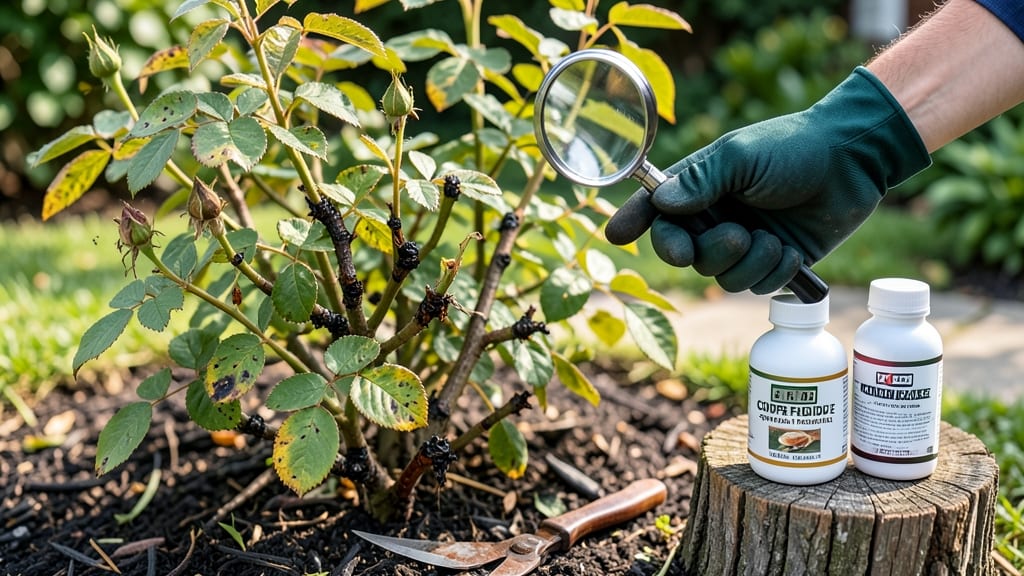
Black stems on your rose bush don’t mean the end of your garden dreams—copper spray can save them. 🌹 I’ve nursed back roses with blackened stems to full, blooming health, and the secret lies in identifying the right problem and acting fast.
Fungal blight, bacterial canker, or even frost damage can turn stems black, but each requires a different fix.
First, check if the stems feel soft or mushy (fungal/bacterial) or hard and dry (frost/pest damage). Prune affected areas with clean shears, then apply copper fungicide to prevent spread. Proper spacing and watering at the base—not overhead—can stop future outbreaks before they start.
Within a few weeks, you’ll see new green growth pushing through, and by summer, your roses will be thriving again. The key is early action—don’t wait until the black spreads. With the right care, your bushes will reward you with vibrant blooms all season long.
Works for hybrid teas, climbers, and shrub roses alike—just adjust the spray frequency based on your climate. Let’s get those stems healthy again!
Root Causes Of Stem Discoloration
Discovering blackened stems on your once-vibrant rose bush can be alarming, but understanding the why behind it is the first step to saving your plants. Below, we break down the most common culprits—each with a clear scientific explanation and actionable insights to help you diagnose the issue accurately.
Fungal pathogens are the #1 cause of blackened stems in roses, thriving in warm, humid conditions. Two primary fungi are to blame:
- Botrytis cinerea (Gray Mold) – This fungus causes stems to darken, shrivel, and develop a fuzzy gray coating. It spreads via spores, especially in wet foliage or crowded plants. Pro tip: Prune infected stems immediately to prevent spore dispersal! 🌡️
- Phytophthora spp. (Root & Stem Rot) – Waterlogged soil or poor drainage creates the perfect breeding ground for this fungus. Infected stems turn black and mushy, often starting at the base. Action step: Improve drainage by amending soil with perlite or sand. ⚡
How to confirm: Look for dark, sunken lesions or moldy growth. Fungal infections worsen in damp weather—if your roses are in a shaded, poorly ventilated area, this is likely the culprit.
Extreme conditions—whether heat, cold, or improper watering—can shock rose stems, leading to discoloration. Here’s how:
| Cause | Effect on Stems | Fix It |
|---|---|---|
| 🔥 Heat Stress | Stems scorch and blacken, especially in full sun without adequate water. (Think: sunburn for plants!) | Mulch heavily to retain moisture and water deeply in the morning/evening. 💦 |
| ❄️ Cold Damage | Freezing temps cause cell rupture, leading to blackened, brittle stems. Common in late winter/early spring. | Protect roses with frost cloth or move potted plants to a sheltered spot. ❄️ |
| 💧 Over/Under-Watering |
|
Water deeply 1–2x per week (check soil moisture 2" below the surface). Use drip irrigation to avoid wetting foliage. 🌱 |
Quick test: Gently scratch the stem—if it’s soft or mushy, environmental stress (often paired with fungal growth) is likely the issue.
While less common, certain pests can weaken stems, making them prone to blackening as a secondary symptom:
- Japanese Beetles – These metallic-green pests chew on leaves and stems, creating entry points for fungi. Look for skeletonized leaves or sawdust-like frass (insect droppings). 🐞
- Rose Slugs (Sawfly Larvae) – Their feeding causes stems to blacken and wilt. Infested stems often have frass and webbing. 🐛
- Aphids/Scale Insects – While they target leaves, their honeydew secretions promote sooty mold, which can darken stems over time. 🍯
Solution: Handpick pests or apply neem oil for organic control. Prune heavily damaged stems below the blackened area to prevent spread.
Aggressive or improper pruning—especially in wet conditions—can introduce bacterial or fungal infections through open wounds. Here’s how to avoid it:
- Cutting Too Late in Season – Pruning roses in fall/winter (when fungi are active) leaves fresh cuts vulnerable to pathogens. ⏰
- Using Dirty Tools – Bacteria like Pseudomonas syringae thrive on unsterilized pruners, infecting stems through cuts. 🔪
- Leaving Stubby Stumps – Pruning too close to the main stem creates weak points where water can pool, encouraging rot. 🌿
Fix: Prune in early spring (before new growth), sterilize tools with rubbing alcohol, and make cuts at a 45-degree angle ¼" above a bud.
Next steps: Once you’ve identified the cause, jump to our targeted solutions—including copper spray techniques—to restore your roses to full health! 🌸
Fixing Darkened Rose Stems Fast
Blackened or discolored stems on your rose bush aren’t just unsightly—they can signal serious fungal infections or environmental stress. The good news? Most causes have simple, effective fixes.
Below, we break down the most common culprits and the step-by-step solutions to restore your roses to vibrant health—plus prevention tips to keep them thriving.
If your rose stems are blackened with dark spots, fuzzy growth, or a sooty appearance, fungal blight is likely the culprit. These pathogens thrive in damp, shaded conditions and can spread quickly if left unchecked.
🔥 Step 1: Prune Infected Stems Immediately
- 🔪 Use sterilized pruners (wipe with rubbing alcohol between cuts) to remove all blackened, spotted, or mushy stems—at least ½ inch below the affected area.
- 🗑️ Dispose of pruned material in the trash (not compost) to prevent reinfection.
- ✂️ Thin out crowded branches to improve airflow—fungi love stagnant, humid environments.
💧 Step 2: Apply Fungicide (Organic or Chemical)
- 🌿 Organic option: Copper-based sprays (like copper sulfate or copper fungicide) are the gold standard for fungal diseases.
Mix 1 tbsp copper fungicide per gallon of water and spray thoroughly (including undersides of leaves and stems) every 7–10 days until the issue resolves. - 🧴 Chemical option: If organic isn’t cutting it, use a broad-spectrum fungicide (e.g., chlorothalonil or myclobutanil).
Follow label instructions precisely—overuse can harm beneficial microbes. - 🌞 Best time to spray: Early morning (when humidity is high but before direct sun, which can burn leaves).
🌡️ Step 3: Adjust Growing Conditions Fungi love moisture and shade.
To starve them out: - ☀️ Increase sunlight: Trim nearby trees/shrubs blocking light or relocate the rose to a sunnier spot (6+ hours of direct sun daily). - 💦 Reduce overhead watering: Water at the base (not leaves/stems) and early in the day so foliage dries quickly. - 🌬️ Improve airflow: Space plants 3–4 feet apart and avoid dense mulch piles around the base.
💡 Pro Tip:
Prevent recurrence by mulching with pine needles or gravel (instead of organic mulch) to keep stems dry. Avoid wetting foliage during watering—use a soaker hose or drip irrigation.
If stems are black, mushy, or rotting at the base, your rose may be suffocating from excess moisture. Root rot and stem collapse often result from soggy soil.
👨🍳 Step 1: Check Soil Drainage
- 🕵️ Dig a small hole near the base of the rose. Add water—if it doesn’t drain within 1–2 hours, your soil is too compacted.
- 🪨 Fix it: Amend soil with coarse sand, perlite, or compost to improve drainage.
For container roses, repot into a well-draining mix (50% potting soil, 30% perlite, 20% compost).
💦 Step 2: Adjust Watering Habits
- 🚰 Water deeply but infrequently: Aim for 1–1.5 inches per week (including rain).
Let the top 2 inches of soil dry out between waterings. - 🌧️ Avoid soggy soil: If your garden floods often, raise the planting bed or install French drains to redirect water.
🌱 Step 3: Revive Stressed Roots
- 💧 Reduce watering temporarily until the soil is dry to the touch (about 3–5 days).
- 🌿 Apply a fungal inhibitor (like hydrogen peroxide spray—1 tbsp per gallon of water) to prevent secondary infections.
✨ Pro Tip:
Test your soil’s pH (ideal for roses: 6.0–6.5). Poor drainage often goes hand-in-hand with alkaline soil—add sulfur or peat moss to lower pH if needed.
If stems are blackened with sawdust-like frass (insect droppings) or sticky residue, pests like rose borers, aphids, or scale may be feeding on your plant.
🔪 Step 1: Inspect for Signs of Pests
- 🐜 Look for:
- Tiny holes or tunnels in stems (rose borers).
- Sticky, blackened sap (aphids or scale).
- Yellowing leaves (sap-sucking insects).
🍳 Step 2: Treat Infestations
- 🪰 For borers:
- 🔪 Prune and burn heavily infested stems.
- 💧 Apply systemic insecticide (like imidacloprid) directly to the soil (follow label rates).
- 🦟 For aphids/scale:
- 🌿 Blast off with water (strong stream from a hose).
- 🍋 Spray with insecticidal soap or neem oil (repeat every 5–7 days).
- 🐝 Encourage predators (ladybugs, lacewings) by planting dill, fennel, or marigolds nearby.
🌡️ Step 3: Prevent Future Outbreaks
- 🪴 Wrap young stems with tree collars (cardboard or plastic) to block adult borers from laying eggs.
- 🌿 Prune regularly to remove weak growth where pests hide.
Sudden temperature swings (frost, scorching heat) can cause blackened, crispy stems, especially in tender rose varieties.
☀️ Step 1: Protect from Extreme Heat
- 🌿 Provide afternoon shade (use shade cloth if temps exceed 90°F/32°C).
- 💧 Increase watering (but avoid wetting leaves) to help roots stay cool.
❄️ Step 2: Shield from Frost
- 🛡️ Cover roses with frost cloth or blankets if temps drop below 25°F (-4°C).
- 🌱 Mulch heavily (4–6 inches of straw or wood chips) to insulate roots.
🌱 Step 3: Encourage Recovery
- 💧 Water deeply after extreme weather to help stems rebound.
- ✂️ Prune back dead tissue once temperatures stabilize.
✅ Prune regularly (remove dead/diseased wood in early spring). ✅ Space plants properly (3–4 feet apart for airflow). ✅ Water at the base (avoid wetting foliage). ✅ Use copper spray preventatively (every 2–3 weeks during humid seasons). ✅ Monitor soil moisture (never let roots sit in water). ✅ Inspect weekly for pests/disease signs.
Frequently asked questions
Why do my rose stems turn black suddenly?
Blackened rose stems usually appear due to fungal infections like Botrytis or Phytophthora, which thrive in damp, humid conditions. Extreme weather (frost or scorching heat) or overwatering can also cause blackening by stressing the plant. Check for soft, mushy stems (fungal) or crispy, dry stems (environmental stress).
How do I know if black stems are from a fungal disease vs. frost damage?
Fungal-infected stems feel soft and mushy, often with dark spots or fuzzy growth. Frost-damaged stems are brittle and dry, sometimes with a papery texture. Another clue: fungal issues spread gradually, while frost damage appears suddenly after cold snaps. Test by gently scratching the stem—mushy = fungus; dry = frost.
Can I save my rose bush if most stems are black?
Yes! Prune back all blackened stems at least ½ inch below the damage using sterilized shears. Apply copper fungicide (1 tbsp per gallon of water) every 7–10 days for fungal issues. For frost damage, focus on protecting remaining healthy stems with mulch and shade cloth. New growth will emerge from healthy buds.
Is copper spray safe for all rose varieties?
Copper fungicide is safe for most roses, including hybrid teas, climbers, and shrub varieties. However, avoid overapplying—stick to the label instructions (typically every 7–14 days). For delicate varieties like David Austin English roses, dilute the spray slightly (½ tbsp per gallon) to prevent leaf burn. Always test on a small area first.
What’s the best time of day to spray copper fungicide?
Spray early morning when humidity is high but before direct sun (which can burn leaves). Avoid spraying in the evening when dew is present, as wet foliage encourages fungal growth. If you must spray later, choose a shady day and rinse leaves lightly afterward to remove excess solution.