
Pests and Diseases
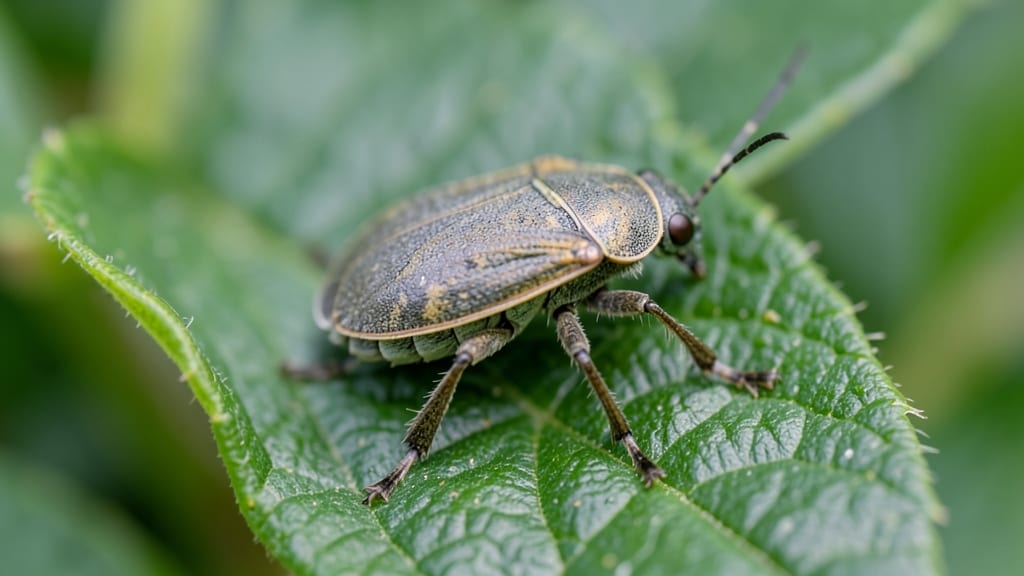
Blueberry bush bugs can turn your healthy harvest into a pest-ridden disappointment if you don’t act fast. 🌿 I’ve battled everything from tiny mites to voracious beetles on my bushes, and the key to saving those sweet berries lies in early identification and smart control—no harsh chemicals required.
The worst offenders—like blueberry maggots and spider mites—leave telltale signs: chewed leaves, webbing, or fruit that’s suddenly riddled with holes. Most gardeners miss these clues until the damage is done, but a quick inspection every 7-10 days during peak season catches problems before they spiral.
With the right organic sprays (neem oil, insecticidal soap) and preventive tricks (mulch, birdhouses for predators), you’ll protect your bushes without sacrificing flavor or soil health. The berries stay plump, the plants stay strong, and you avoid the heartbreak of a wasted crop.
This works for all blueberry varieties, from highbush to lowbush, and fits into any garden routine. Let’s tackle those pests the natural way—your future harvest will thank you.
Root Causes Of Blueberry Invaders
Blueberry bushes are a magnet for pests—not because they’re weak, but because they’re delicious. Understanding why these tiny troublemakers show up in the first place helps you outsmart them before they ruin your harvest.
Here’s a breakdown of the real reasons behind blueberry bush bug infestations, backed by science and actionable insights.
When blueberry bushes feel crowded, nutrient-deprived, or water-stressed, their natural defenses weaken.
Pests like aphids, spider mites, and Japanese beetles zero in on stressed plants because: - Weakened foliage lacks the bitter tannins and resins that deter insects. - Slow growth means fewer resources to fight off invaders. - Thinning canopies (from poor pruning or disease) create easy access for bugs to lay eggs.
🔍 Scientific Spotlight: Studies show that blueberry bushes with balanced pH (4.5–5.5) and adequate magnesium produce stronger leaves, making them less appealing to pests. If your soil is compacted or lacking organic matter, roots struggle to absorb nutrients, leaving the plant vulnerable.
💡 Pro Tip:
- Space bushes 4–6 feet apart to improve airflow and reduce fungal diseases that attract secondary pests.
- Mulch with pine needles or wood chips to mimic natural acidic soil conditions and deter some insects.
Pests don’t just appear—they hibernate, breed, and stage attacks in the debris around your bushes.
Common culprits include: - Leaf litter (harbors overwintering eggs of sawfly larvae and scale insects). - Weeds (like clover or dandelions) attract beneficial predators and their prey (e.g., aphids). - Old mulch or pruned branches left on the ground become hiding spots for beetles and mites.
🔍 Scientific Spotlight: The Japanese beetle, a notorious blueberry pest, lays eggs in grassy areas and garden mulch. A 2018 study found that removing grass clippings within 10 feet of blueberry plants reduced beetle populations by 60% in one season.
💡 Pro Tip:
- Rake up fallen leaves and prunings in autumn and early spring.
- Avoid thick mulch layers (keep it 2–3 inches deep) to prevent moisture retention, which encourages fungal pests like botrytis.
Blueberry bushes aren’t just food—they’re part of an ecosystem.
When the balance tips (e.g., due to pesticides or habitat loss), pests thrive because: - Ladybugs, lacewings, and birds eat aphids and mites—but they need alternative food sources (like pollen or small insects) to stick around. - Fungal diseases (e.g., mummy berry) weaken bushes, making them easier targets for secondary pests. - Monoculture planting (rows of identical bushes) reduces biodiversity, giving pests fewer predators.
🔍 Scientific Spotlight: A 2020 Penn State study found that blueberry fields with diverse ground covers (like clover or wildflowers) had 30% fewer spider mites because they supported more predatory mites and insects.
💡 Pro Tip:
- Plant companion flowers (e.g., alyssum, marigolds) near bushes to attract pollinators and predator insects.
- Avoid broad-spectrum pesticides—they kill both pests and their natural enemies.
Pests don’t just show up randomly—they’re cued by weather patterns.
Key triggers for blueberry bush infestations include: - Warm, dry springs → Spider mites and Japanese beetles hatch early and multiply faster. - Cool, wet summers → Sharpshooters (leafhoppers) thrive in damp conditions. - Late frosts → Aphids survive better on tender new growth. - Drought stress → Scale insects suck out more sap from water-deprived plants.
🔍 Scientific Spotlight: Research from Oregon State University shows that blueberry bushes under drought stress produce more simple sugars in leaves, making them a high-calorie buffet for sap-sucking pests like aphids.
💡 Pro Tip:
- Monitor weather forecasts and apply horticultural oil in early spring to smother overwintering eggs.
- Drip irrigation (instead of overhead watering) keeps foliage dry, reducing fungal pests that attract secondary insects.
Ironically, too much of a good thing can backfire.
Common human errors that invite pests: - Excess nitrogen fertilizer → Soft, lush growth attracts aphids and spider mites. - Synthetic pesticides → Kill beneficial insects, creating a pest vacuum effect. - Late-season pruning → Damaged tissue becomes entry points for borers and scale. - Using untreated wood for trellises → Can harbor beetle larvae that jump to bushes.
🔍 Scientific Spotlight: A **2019 study in Journal of Economic Entomology found that organic blueberry farms using compost tea had fewer aphid outbreaks because the soil microbes improved plant resilience.
💡 Pro Tip:
- Use slow-release, organic fertilizers (like fish emulsion) to avoid nitrogen spikes.
- Prune in late winter/early spring** (before buds swell) to minimize stress.
Quick Fixes for Garden Pests
When tiny invaders threaten your blueberry bushes, acting fast is key! 🐞🌿 These pests—from aphids to spider mites—can wreak havoc if left unchecked, but with the right strategies, you can restore balance and protect your harvest.
Below are targeted solutions based on the most common culprits, along with preventive steps to keep your bushes thriving long-term.
Signs: Sticky residue, curled leaves, or clusters of tiny green/black bugs on new growth. Fix:
- Blast them off 💦: Use a strong stream of water from your hose to dislodge aphids from leaves and stems. Repeat every 2–3 days for severe infestations.
- Neem oil spray 🌿: Mix 1 tbsp neem oil + 1 tsp mild soap in 1 quart of water. Spray early morning or late evening to avoid harming bees. Reapply weekly.
- Introduce predators 🐞🐝: Ladybugs and lacewings love aphids. Buy them online or attract them with dill, fennel, or marigolds planted nearby.
Prevent: Encourage healthy soil (compost + worm castings) to boost plant resilience. Prune bushes in early spring to remove overwintering eggs.
Signs: Fine webbing on leaves, yellow stippling, or leaves that look "sandy" under magnification. Fix:
- Knock ‘em down 🌧️: Spider mites hate humidity. Mist bushes daily with water (especially undersides of leaves) to disrupt their life cycle.
- Horticultural oil ❄️: Apply dormant oil in early spring (before buds swell) or summer oil when mites are active. Follow label rates—overuse can harm plants.
- Diatomaceous earth (DE) 🏖️: Sprinkle food-grade DE lightly on soil and leaf surfaces. It dehydrates mites but reapply after rain.
Prevent: Reduce stress on bushes by watering deeply 1–2x/week (mites thrive in drought). Use mulch to retain moisture.
Signs: Ragged, lace-like leaves and shiny green beetles chewing on foliage. Fix:
- Handpick & drown 💪: Fill a bucket with soapy water and pluck beetles off (especially in the morning). Check under leaves!
- Milky spore powder 🌱: Apply milky spore to soil in early summer—it targets Japanese beetle grubs naturally (takes 2–3 years to fully work).
- Traps (use with caution!) 🪲: Place traps far from bushes (beetles get confused and may avoid your plants). Check weekly.
Prevent: Plant repellent herbs like tansy, catnip, or garlic near blueberry bushes. Avoid over-fertilizing with high-nitrogen feeds—beetles love lush, tender leaves.
Signs: Silky nests in branches, defoliated leaves, or sawdust-like frass (droppings). Fix:
- Prune & burn nests 🔥: Cut out nests with sterilized shears and burn or bag them (do not compost!). Do this before caterpillars hatch (early spring).
- Bt (Bacillus thuringiensis) 🦠: Spray Bt kurstaki (organic bacteria) on leaves—it kills caterpillars but is safe for bees. Reapply after rain.
- Sticky bands 🎀: Wrap tree trunks with Tanglefoot to trap crawling larvae before they reach leaves.
Prevent: Encourage birds (natural predators) by adding a birdbath or nesting boxes. Remove last year’s leaf litter where eggs may hide.
No matter the pest, these proactive steps strengthen your bushes: - Copper spray ⚡: Mix 1 tsp copper sulfate + 1 gallon water to deter fungal pests and soft-bodied insects. Spray at dusk. - Beneficial nematodes 🐛💥: Apply heterorhabditis bacteriophora to soil to target grubs and larvae.
Water deeply after. - Rotate sprays 🔄: Avoid relying on one treatment—combine methods (e.g., neem oil + water blasts) to prevent resistance.
💡 Pro Tip: Always test sprays on a small leaf area first—some plants (like blueberries) are sensitive to strong chemicals. When in doubt, manual removal + predator-friendly plants are your best allies!
Frequently asked questions
What are the most destructive bugs for blueberry bushes?
The worst offenders include blueberry maggots (larvae that tunnel into fruit), Japanese beetles (voracious leaf chewers), spider mites (tiny sap-suckers that cause webbing), and aphids (sticky residue producers). These pests target leaves, stems, and berries, so early identification is key—check undersides of leaves and fruit clusters regularly.
How do I tell if my blueberry bush has a bug problem?
Look for chewed leaves, sticky residue (aphid honeydew), webbing (spider mites), or holes in berries (maggots). Inspect new growth first—pests often strike tender shoots. Use a magnifying glass to spot tiny eggs or larvae hidden on stems. A quick shake over a white towel can reveal crawling bugs.
Can I use chemical pesticides on blueberry bushes?
While synthetic pesticides work, they risk harming pollinators and disrupting the soil ecosystem. Organic alternatives like neem oil, horticultural oil, or Bt (Bacillus thuringiensis) are safer. If chemicals are necessary, use spot treatments (like imidacloprid for Japanese beetles) only during bloom-free periods to protect bees.
What’s the best time of year to treat blueberry bush pests?
Early spring (before buds swell) and late summer (after harvest) are critical windows. Apply dormant oil in spring to smother overwintering eggs, and use neem oil in summer to protect developing fruit. Avoid spraying during bloom—wait until flowers fall to protect pollinators. Fall cleanup (raking debris) prevents next year’s infestations.
Will bird feeders or birdhouses help control bugs?
Birds like robins, bluebirds, and wrens devour caterpillars, beetles, and aphids—they’re your free pest control. Add a birdbath and native plants (like serviceberry) to attract them. Place feeders 10–15 feet from bushes so birds can spot pests easily. Just avoid chemical pesticides nearby to keep birds safe.