
Advice
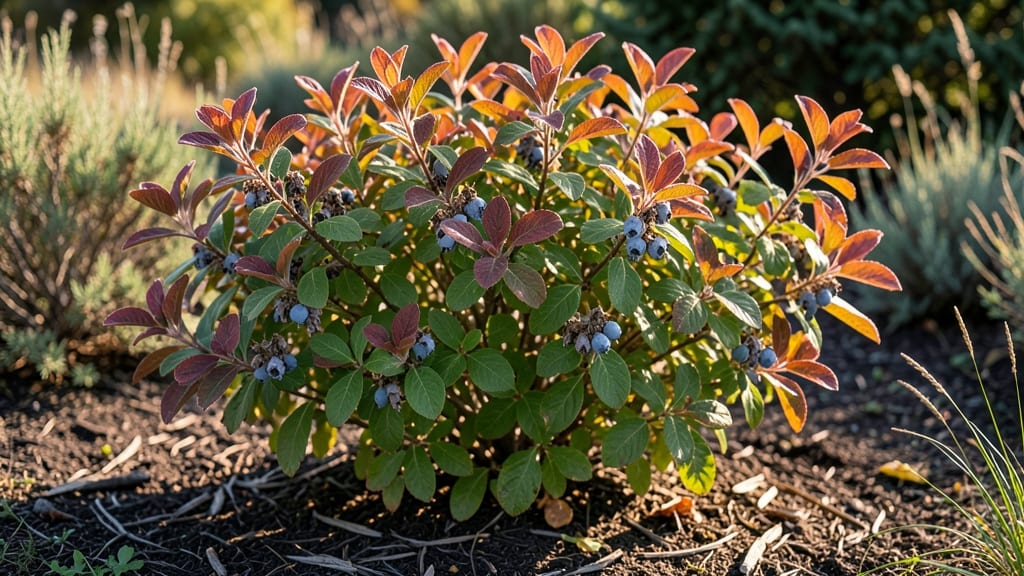
Blueberry bushes display breathtaking fall colors—from fiery reds to deep purples and golden tones—based on their variety and growing conditions. With the right care, including balanced fertilization and consistent watering, you can intensify their autumn display while ensuring strong growth for next year.
Fall colors in blueberry bushes aren't just about aesthetics—they're a sign of the plant's natural chemistry at work. 🍂 The cooler temperatures and shorter days trigger anthocyanin production, those pigments that create the vibrant hues. Varieties like 'Duke' lean toward deep reds, while others like 'Bluecrop' may show golden-yellow tones.
The key to maximizing these colors? Start with well-draining soil rich in organic matter and maintain consistent moisture throughout the growing season. I've seen bushes with near-black foliage when given just the right balance of sunlight and nutrients—it's like nature's own fireworks display!
What's interesting is how these colors actually protect the plant. The deeper pigments act as sunscreen, shielding leaves from harsh light while they prepare for winter. This means the more vibrant your bush's fall display, the better its chances of surviving the cold months ahead.
For best results, avoid heavy pruning in late summer—this can stress the plant and dull those autumnal tones. Instead, focus on light shaping and mulching to conserve moisture and nutrients.
💡 In This Article
- Why Blueberry Bushes Change Color in Fall
- Tips to Maximize Blueberry Bush Fall Foliage
Why blueberry bushes change color in fall
Blueberry bushes transform in autumn thanks to a fascinating chemical process called anthocyanin production. These water-soluble pigments develop when cooler temperatures (typically between 50-60°F) and shorter daylight hours trigger the plant's protective response.
Unlike green chlorophyll that dominates summer leaves, anthocyanins take center stage, creating the vibrant reds, purples, and oranges we admire. The intensity varies by variety—'Patriot' often shows deep burgundy hues while 'Jersey' may display golden-yellow tones, all driven by genetic differences in pigment production.
Sunlight plays a crucial role too. Blueberry bushes need at least 6-8 hours of direct sunlight daily to maximize fall color. The leaves perform photosynthesis throughout the season, storing sugars that fuel anthocyanin development. When sunlight is limited, the color display becomes muted.
I've noticed that northern exposures produce less vibrant foliage compared to southern-facing bushes, which receive more consistent light. The cooler fall temperatures also slow metabolic processes, allowing pigments to concentrate rather than dissipate quickly.
This color change isn't just beautiful—it's functional. The deep pigments act as natural sunscreen, protecting leaves from UV damage as they prepare for winter dormancy. The redder the foliage, the better the plant's cold resistance.
This explains why well-nourished bushes often show more dramatic fall colors—they're healthier and better equipped to handle seasonal changes. The process mirrors what happens in maple trees but occurs over a shorter timeframe in blueberries due to their shrub growth habit.
What most gardeners don't realize is that soil pH affects the exact shade of fall color. Blueberries thrive in acidic soil (pH 4.5-5.5), which enhances anthocyanin production. In alkaline conditions, the colors become duller and less vibrant.
This is why testing your soil's pH in early summer gives you time to amend it before fall color development peaks. The right balance of nutrients—particularly phosphorus and potassium—also supports stronger pigmentation, making the difference between subtle autumn tones and a spectacular display.
Temperature fluctuations during fall create the most dramatic color changes. When nights drop below 50°F but days stay mild (around 65-75°F), anthocyanin production accelerates. This is why early frosts can actually dull the colors—they halt the process too quickly.
The ideal scenario is a gradual temperature decline over several weeks, allowing the pigments to develop fully. This explains why some years produce more vibrant fall foliage than others—it's all about the weather patterns during that critical transition period.
Compared to other shrubs like hydrangeas or azaleas, blueberry bushes develop their fall colors more quickly—often within 2-4 weeks of temperature shifts. This rapid change makes them particularly rewarding for gardeners who want instant autumn impact.
The color display typically peaks in late October before the leaves begin to drop, giving you a relatively long window to enjoy the show. For maximum effect, plant blueberries where they'll receive morning sun and afternoon shade, which helps maintain leaf moisture and prolongs the color display.