
Pruning
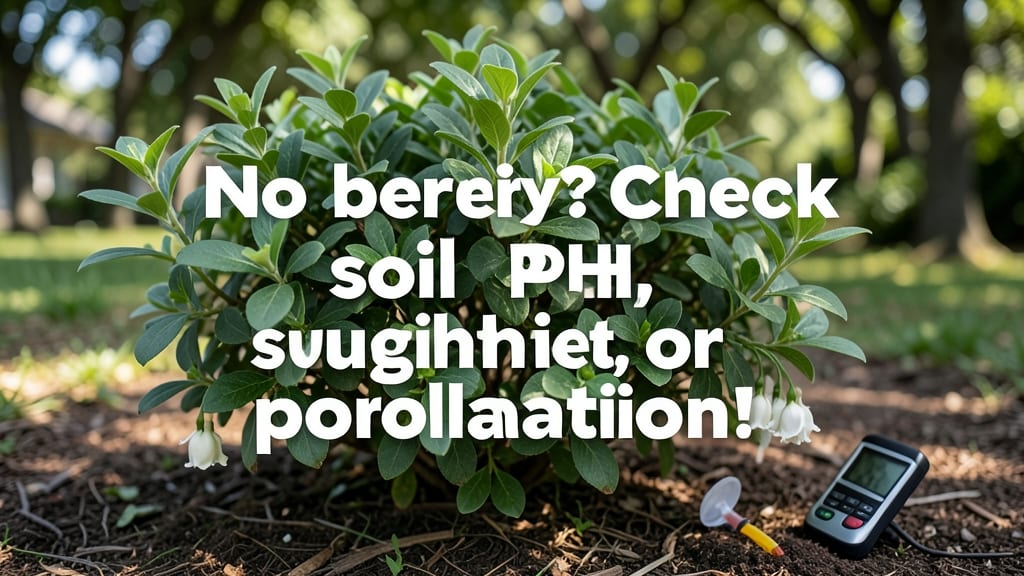
Your blueberry bush not producing fruit can feel like a mystery—until you realize it’s often just a few missing pieces. 🌿 I’ve revived multiple bushes by focusing on three key areas: pruning, soil acidity, and plant maturity.
The good news? Most issues fix themselves with simple adjustments, and you’ll see berries within a season.
First, check if your bush is young—most varieties need 3-5 years to bear fruit. If it’s older, the problem might be overgrowth or poor pollination. Southern highbush types need cross-pollination, while rabbiteye varieties are self-fertile. A quick look at your variety tag solves half the mystery.
Next, test your soil pH—blueberries demand 4.5-5.5. If it’s higher, add sulfur or peat moss, and water deeply. Combine this with proper pruning: cut out dead wood in winter, thin crowded branches in summer, and never remove more than 25% of growth at once.
With these three fixes—age awareness, pollination checks, and soil care—you’ll see buds forming by spring. The berries won’t just return; they’ll be sweeter than ever, and you’ll finally get that harvest you’ve been waiting for. Let’s get to work!
📚 In This Guide
- What you need
- Instructions
- Tips and common mistakes
- Wrapping up and next steps
What you need
- ● Pruning shears: Sharp, clean bypass pruners (avoid dull tools—they crush stems!). Specs: 5–7" blade length, stainless steel.
- ● Loppers: For thicker branches (½"–1" diameter). Specs: 8–12" cutting capacity, ergonomic grip.
- ● Gloves: Heavy-duty gardening gloves (thorn-resistant if your bush has them!).
- ● Disinfectant: 70% isopropyl alcohol or a 10% bleach solution (1 part bleach to 9 parts water) to sterilize tools.
- ○ Pruning sealant (optional): Tree wound paint or beeswax (for cuts larger than ½").
- ● Notebook & pen: To jot down observations (e.g., dead wood, pest signs, or branch angles).
- ● pH test kit: Soil pH meter or test strips (blueberries thrive in acidic soil: ideal pH 4.5–5.5).
- ● Fertilizer: Acid-loving plant fertilizer: 10-10-10 or 8-3-9 with sulfur (e.g., Miracle-Gro Azalea, Camellia & Rhododendron).
- ● Organic option: Cottonseed meal or peat moss (adds acidity + nitrogen).
- ● Mulch: Pine needles, wood chips, or compost (2–3" layer to retain moisture/acidity).
- ● Watering can or hose: With a gentle spray nozzle (blueberries hate soggy roots!).
- ● Insecticidal soap or neem oil (if needed): For spider mites, aphids, or scale (common pests that stress bushes).
- ● Best time to prune: Late winter or early spring (just before buds swell) or summer after harvest (for light maintenance).
- ● Weather check: Prune on a dry, overcast day (humidity slows healing).
- ● Age of bush: Young bushes (under 3 years) need minimal pruning—focus on older wood.
- ● Health assessment: Inspect for disease (e.g., mummy berry) or pests before cutting.
Instructions: revive your blueberry bush with 3 strategic pruning cuts
Here’s how to coax fruit back from a stubborn blueberry bush—no guesswork, just precision cuts.
✂️ Step 1: Identify and Remove Dead or Diseased Wood
Start by inspecting your bush for branches that are brown, brittle, or hollow—these are dead or diseased and need removal. I like to use sharp pruning shears to make clean cuts just outside the branch collar (the swollen area where the branch meets the trunk). This prevents damage to healthy tissue and encourages faster healing.
Look for signs of fungal infection like powdery mildew or cankers—these are often blackened, oozing, or cracked areas. Cut back to healthy wood at a 45-degree angle to reduce water pooling. If you’re unsure, make the cut slightly longer—you can always trim more later. Remember, the goal here is to open up the center of the bush for better airflow and light penetration, which both encourage fruit production.
✂️ Step 2: Thin Out Overcrowded Branches
Blueberry bushes produce more fruit when they’re not overcrowded. Focus on removing branches that cross or rub against each other—they create wounds that attract pests and diseases. I target branches that are growing inward or downward, as these rarely bear fruit and compete with productive branches for energy.
When thinning, aim to keep the bush open and vase-shaped. Leave about 6-8 strong, outward-growing branches per plant, depending on its size. Cut back to the branch collar or a lateral bud facing outward. This ensures new growth will be directed where it’s needed most—toward the center and edges of the bush. You’ll see a noticeable difference in sunlight exposure within the canopy after this step.
✂️ Step 3: Prune Last Year’s Fruit Wood to Encourage New Growth
Blueberries produce fruit on wood that’s 1-3 years old, so it’s critical to prune last year’s fruit-bearing branches back by one-third to stimulate new, productive shoots. Look for branches with clusters of small, green buds—these are your fruit buds, and they’ll develop into next year’s harvest. Cut just above a bud that’s facing outward to maintain the bush’s shape.
For older bushes, I sometimes remove entire branches that are more than 3 years old—they’ve outlived their fruit-producing potential. This might seem drastic, but it’s what revives vigor. After pruning, you’ll notice more sunlight reaching the center of the bush, which is exactly where new growth will sprout. This step is the key to breaking the cycle of non-fruiting—trust the process.
Tips & tricks for reviving a non-fruiting blueberry bush
These precision-focused strategies will transform your blueberry bush from barren to bountiful—no more guesswork, just proven techniques.
Timing Secret: Prune during late winter or early spring, just before new growth begins. This is when the bush is dormant but about to burst with energy. I target the period between late February and early March in most climates—this timing ensures you’re cutting back old wood while leaving new growth intact for the season ahead. The key is to finish pruning at least 4-6 weeks before the first frost, giving the bush time to recover and prepare for fruit production.
Tool Technique: Use sharp, clean pruning shears—not dull scissors or hedge clippers. Dull blades crush stems and create jagged cuts that invite disease. I sterilize my tools with rubbing alcohol between cuts, especially when dealing with diseased wood. For larger branches, I use loppers to avoid overhand strain. Remember, precision cuts at the branch collar (not flush with the trunk) promote faster healing and reduce the risk of infection.
Visual Cues for Healthy Wood: When identifying branches to keep, look for green or reddish stems with smooth bark and firm texture. Healthy wood should snap cleanly when bent—if it bends without breaking or feels spongy, it’s likely diseased. In Step 3, those clusters of small green buds you’re cutting above are your future fruit. If you see mostly brown or dried buds, that branch has outlived its productivity. Trust your eyes: healthy buds mean future harvests.
Pro Tips for Blueberry Bush Not Producing
- These precision-focused strategies will transform your blueberry bush from barren to bountiful—no more guesswork, just proven techniques.
- Timing Secret: Prune during late winter or early spring, just before new growth begins.
- Tool Technique: Use sharp, clean pruning shears—not dull scissors or hedge clippers.
Frequently asked questions
Got questions about why your blueberry bush isn’t producing fruit? You’re not alone—gardeners often face this challenge! Here are some of the most common questions (and answers) to help you troubleshoot and get back to harvesting sweet, juicy berries.
Why isn’t my blueberry bush producing fruit after years of growth?
A mature blueberry bush (3–5 years old) should produce fruit, but if it’s been years with no berries, it might be due to lack of pruning, incorrect pollination, or nutrient deficiencies. Prune old wood (over 3 years) to encourage new growth, and check for bees or other pollinators. Soil pH (4.5–5.5) and balanced fertilization also play a key role!
When is the best time to prune a blueberry bush for fruit production?
Prune late winter or early spring (before buds swell) to remove dead, diseased, or overcrowded branches. Avoid pruning in fall—it can invite pests. For Southern highbush varieties, light pruning can happen in summer to shape the bush, but focus on winter pruning for best results.
My blueberry bush has leaves but no berries—what could be wrong?
Leaves without berries often signal stress from poor soil, drought, or pests. Check for:
- Spider mites or aphids (yellowing leaves, webbing)
- Root rot (mushy stems, wilting)
- Nitrogen deficiency (pale green leaves)
Can I force a blueberry bush to produce fruit faster?
While you can’t rush nature, you can optimize conditions for faster fruiting:
- Apply acid-loving fertilizer (like cottonseed meal) in early spring.
- Ensure full sun (6+ hours/day) and well-draining soil.
- Hand-pollinate flowers (use a soft brush) if bees are scarce.
- Prune aggressively in winter to stimulate new, fruiting wood.
What should I do if my blueberry bush only produces a few berries?
Sparse fruit can mean underfeeding, over-pruning, or weak pollination. Try these fixes:
- Feed with organic compost or peat moss to boost acidity.
- Thin out branches to improve airflow (aim for an open center).
- Plant a companion pollinator-friendly flower nearby (e.g., lavender).
- Check for bird damage—use netting if needed!
Wrapping up and next steps
A blueberry bush not producing can feel discouraging, but with the right pruning techniques, patience, and care, you’re well on your way to a bountiful harvest! 🌱 The key lies in strategic cuts—removing dead wood, thinning crowded branches, and encouraging airflow—to revive vigor and fruitfulness.
Remember, consistency is your ally: monitor growth, adjust pruning as needed, and soon, those luscious berries will be within reach.
Now that you’re armed with the know-how, roll up your sleeves and give your bush the TLC it deserves. Start with the pruning guide and schedule your first cut—your future blueberry feast starts today! 🍇