
Diseases
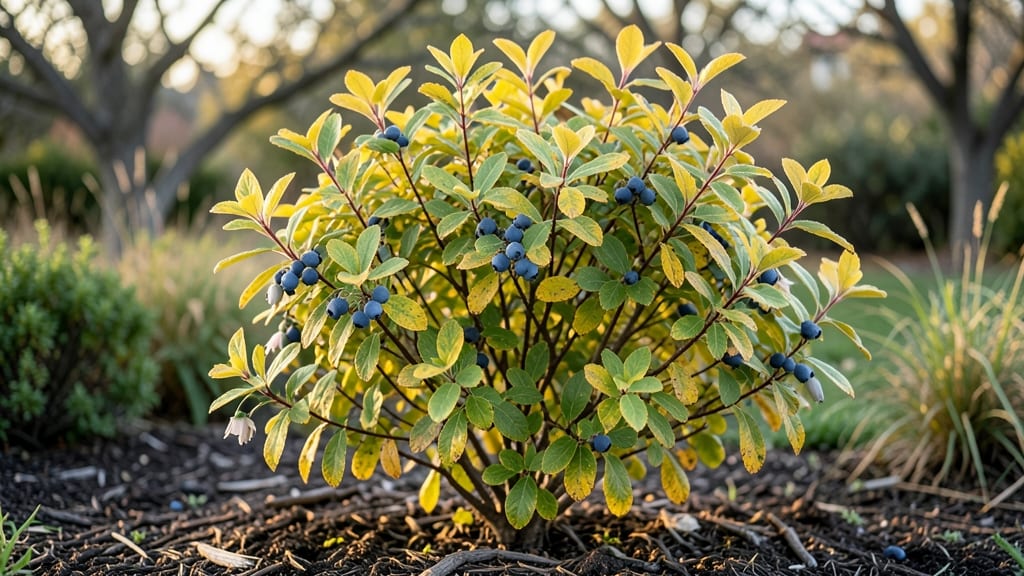
Your blueberry bush turning yellow doesn't mean it's dying—it's actually a wake-up call for simple fixes that bring it back to vibrant green in weeks. 🌿 I've nursed back more than a few bushes with these same three fixes after years of trial and error, and the key is acting fast before the problem spreads.
The most common causes are easy to overlook: overwatering that drowns roots, nutrient deficiencies from poor soil, or fungal issues hiding in the leaves.
My first yellowing bush turned out to be a classic case of iron chlorosis—something I fixed with a single soil test and a handful of chelated iron. The bush was back to normal by the next harvest.
You'll start by checking the soil moisture and adjusting your watering schedule, then move to targeted fertilizing or pruning to improve airflow. Within 2-3 weeks, you'll see new growth pushing out with deep green leaves, and your bush will be producing berries like it did in its prime.
This works for both container-grown bushes and in-ground plantings, regardless of whether you're dealing with a young sapling or a mature producer. Let's get that bush thriving again!
Root Causes Of Leaf Discoloration
If your blueberry bush is turning yellow, the issue likely stems from one (or more) of these common but fixable causes. Understanding the why behind the yellowing helps you take precise action before the problem spreads.
Let’s break it down by the most likely culprits—each with a clear scientific explanation and actionable clues to identify them.
Blueberries are heavy feeders, and when their diet lacks key nutrients, leaves turn yellow—especially on younger growth. The most common deficiencies include:
- 📊 Nitrogen (N) Deficiency
- Why it happens: Nitrogen is essential for chlorophyll production. Without enough, leaves lose their green pigment and turn pale yellow, often starting at the older leaves and moving upward.
- Actionable clues:
- Yellowing begins on lower leaves first.
- Stunted growth or weak stems may accompany the discoloration.
- Fix: Apply a balanced fertilizer (10-10-10 or 20-20-20) in early spring, or use organic options like composted manure or blood meal. Pro tip: 💡 Test your soil first—over-fertilizing can burn roots!
- 💡 Magnesium (Mg) Deficiency (Chlorosis)
- Why it happens: Magnesium is the centerpiece of chlorophyll. A deficiency causes interveinal yellowing (veins stay green, leaf tissue turns yellow) on younger leaves first.
- Actionable clues:
- Yellow patches appear between veins, often on new growth.
- Leaves may curl or develop brown spots later.
- Fix: Apply Epsom salt (magnesium sulfate)—mix 1 tablespoon per gallon of water and spray foliage or soil. Repeat every 2–4 weeks until improvement.
- 🌍 Iron (Fe) Deficiency
- Why it happens: Iron is crucial for chlorophyll synthesis, but blueberries struggle to absorb it in alkaline soil (pH > 6.0). Yellowing starts on young leaves and spreads, with veins remaining green.
- Actionable clues:
- Bright yellow leaves with green veins (classic "lime-green" look).
- Often paired with slow growth or small leaves.
- Fix: Lower soil pH to 4.5–5.5 using sulfur or peat moss. For quick relief, apply chelated iron (a liquid fertilizer) every 2–3 weeks.
Blueberries hate soggy roots. Too much water (or compacted soil) cuts off oxygen, leading to root rot and nutrient uptake issues. Yellow leaves are often a secondary symptom of this primary problem.
- 🌧️ Why it happens:
- Roots suffocate in waterlogged soil, preventing them from absorbing nutrients (even if they’re in the soil!). This triggers chlorosis (yellowing) as the plant starves.
- Compacted or clay-heavy soil worsens drainage issues.
- Actionable clues:
- Yellowing starts on older leaves but spreads quickly.
- Wilting despite wet soil, or mushrooms/fungus near the base.
- Roots may appear black, mushy, or rotten if you dig a test hole.
- Fix:
- 🔥 Improve drainage: Amend soil with compost, perlite, or pine bark fines (blueberries love acidic, well-draining soil).
- ⏰ Water smarter: Let the top 1–2 inches of soil dry between waterings. Use raised beds or containers if your native soil is clay-heavy.
- 🌡️ Mulch properly: Apply 2–3 inches of pine straw or wood chips to retain moisture without smothering roots.
Yellowing leaves can signal fungal diseases that thrive in damp, stressful conditions. Two common culprits affect blueberries:
- 🍄 Anthracnose (Colletotrichum spp.)
- Why it happens: This fungus spreads in wet, humid conditions, causing leaves to yellow, crisp, or develop dark spots with yellow halos.
- Actionable clues:
- Yellowing paired with brown, sunken lesions on leaves/fruit.
- Often appears after prolonged rain or overhead watering.
- Fix:
- 🍳 Prune infected leaves immediately (sterilize tools with rubbing alcohol).
- 👨🍳 Apply fungicide: Use copper fungicide or neem oil as a preventive spray every 2–3 weeks during wet seasons.
- 🍂 Leaf Spot Diseases (e.g., Septoria, Gloeosporium)
- Why it happens: These fungi create yellow or tan spots with dark borders, often in circular patterns. They thrive in high humidity and on old, diseased debris.
- Actionable clues:
- Spots start as tiny yellow specks, then turn brown with black centers.
- Leaves may drop prematurely.
- Fix:
- ✨ Clean up debris: Remove fallen leaves and prune all infected branches.
- 🎯 Space plants for airflow: Ensure 4–5 feet between bushes to reduce humidity.
- 🔪 Use preventive sprays: Apply baking soda spray (1 tsp baking soda + 1 quart water + a drop of soap) every 7–10 days during rainy periods.
Next up: How to diagnose which cause fits your blueberry bush—and what to do about it before the yellowing worsens. Stay tuned!
Reviving Your Blueberry Bush
When your blueberry bush starts turning yellow, it’s often a call for action—but don’t panic! With the right steps, you can nurse it back to health and even prevent future issues.
Below are practical, step-by-step solutions tailored to the most common causes of yellowing leaves, along with prevention tips to keep your bush thriving.
Yellowing leaves often signal a lack of essential nutrients. Here’s how to diagnose and treat the most likely culprits:
🔥 Step 1: Test Your Soil
Before adding anything, confirm what’s missing. Use a soil test kit (available at garden centers) to check pH and nutrient levels. Blueberries thrive in acidic soil (pH 4.5–5.5)—if yours is too alkaline, that’s your first fix.
🍳 Step 2: Amend the Soil
- For low acidity (high pH):
- Mix sulfur or peat moss into the soil (follow package instructions).
- Apply acid-loving plant fertilizer (like cottonseed meal or pine needles).
- For nitrogen deficiency (pale yellow leaves):
- Spread compost or well-rotted manure around the base.
- Use a balanced fertilizer (10-10-10) in early spring.
- For magnesium deficiency (yellow patches between veins):
- Sprinkle Epsom salt (magnesium sulfate) around the bush (1 tbsp per foot of height).
- Water thoroughly to dissolve it into the soil.
🌡️ Pro Tip:
If your soil is compacted, aerate it with a garden fork to help roots absorb nutrients better. 💡 Loose soil = happier roots!
Yellow leaves can also mean your bush is drowning or thirsty. Here’s how to strike the right balance:
👨🍳 Step 1: Check the Soil Moisture
- Stick your finger 1–2 inches into the soil.
- If it’s soggy, you’re overwatering.
- If it’s bone-dry, it’s time to hydrate.
🥘 Step 2: Adjust Your Watering Routine
- For overwatering:
- Let the top 1–2 inches of soil dry out before watering again.
- Improve drainage by adding compost or sand to heavy clay soil.
- Ensure the bush has proper drainage holes in its container (if potted).
- For underwatering:
- Water deeply 1–2 times per week (more in extreme heat).
- Mulch around the base (2–3 inches of pine straw or wood chips) to retain moisture.
⏰ Prevention Tip:
Water in the early morning to reduce evaporation and fungal risks. ✨ Consistency is key—stick to a schedule!
If yellowing is paired with spots, powdery residue, or wilting, a fungal infection might be the culprit. Act fast with these steps:
🔪 Step 1: Prune Infected Areas
- Cut off yellowed or spotted leaves with sterilized pruners (wipe with rubbing alcohol).
- Remove fallen leaves from the base to prevent spores from spreading.
🌿 Step 2: Apply Fungicide
- Organic option: Spray with a baking soda solution (1 tsp baking soda + 1 quart water + a drop of dish soap).
- Chemical option: Use a copper-based fungicide (follow label instructions).
- Preventative spray: Reapply every 7–10 days during wet seasons.
🎯 Prevention Tips:
- Space bushes 3–4 feet apart for airflow.
- Avoid overhead watering—use drip irrigation instead.
- Water at the base (not the leaves) to keep foliage dry.
- Prune in late winter/early spring to remove dead wood and encourage new growth.
- Fertilize annually with an acidic, slow-release fertilizer (like Miracle-Gro Azalea/Camellia).
- Monitor for pests (like spider mites or aphids)—treat with neem oil if spotted.
By tackling the root cause—whether it’s nutrients, water, or disease—your blueberry bush can bounce back stronger than ever. Stay consistent with care, and you’ll be enjoying juicy berries in no time! 🍇💚
Frequently asked questions
Why are my blueberry leaves turning yellow only on the newer growth?
This is often a sign of magnesium deficiency (chlorosis) or iron deficiency. When the yellowing appears between the veins on younger leaves while the veins stay green, it's usually magnesium. For iron issues, you'll see a bright yellow "lime-green" look. Test your soil pH—blueberries need acidic soil (4.5–5.5) to absorb these nutrients properly.
Can I save my blueberry bush if the yellowing has spread to most leaves?
Yes, but act fast! First, check for root rot by gently digging near the base—if roots are mushy or smell bad, you're overwatering. Prune all severely yellowed leaves, improve drainage, and apply a balanced fertilizer (10-10-10) or Epsom salt** for magnesium. With consistent care, new growth should return within 2-4 weeks.
Is it safe to eat berries from a yellowing blueberry bush?
Only if the yellowing is caused by nutrient deficiencies (like nitrogen or magnesium) with no visible spots or mold. If you see dark spots, powdery residue, or wilting, the berries may be contaminated by fungal diseases like anthracnose. When in doubt, remove affected fruit immediately and treat the bush with fungicide.
How often should I fertilize a blueberry bush with yellow leaves?
Start with a soil test to identify deficiencies. For general maintenance, fertilize once in early spring with an acidic, slow-release fertilizer (like cottonseed meal). If you're correcting deficiencies, apply Epsom salt (magnesium) every 2-4 weeks or chelated iron every 2-3 weeks until leaves green up. Over-fertilizing can burn roots!
Will pruning help yellow leaves on my blueberry bush?
Pruning alone won't fix yellowing, but it helps! Remove all dead, diseased, or severely yellowed branches in late winter/early spring. This improves airflow, reducing fungal risks. Focus on keeping the bush open and well-lit—blueberries need 6-8 hours of sunlight daily to stay healthy and vibrant.