
How To
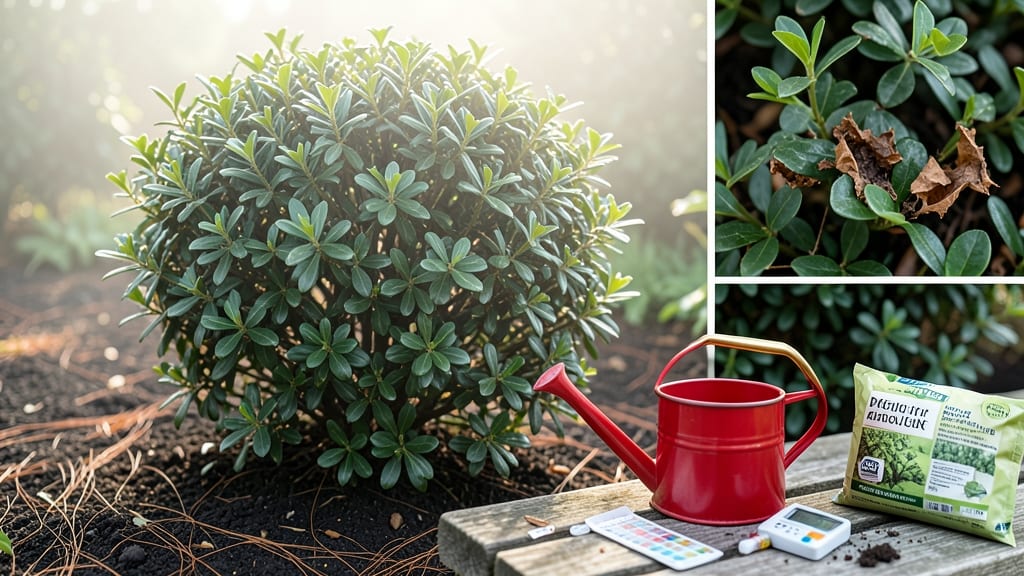
Brown tips on bushes don’t have to mean your plants are doomed—this simple trick saved my struggling boxwoods last summer. 🌿 The issue usually boils down to three culprits: overwatering, underwatering, or a hidden pest problem.
I’ll walk you through how to diagnose the real cause in minutes and fix it before the damage spreads.
Start by checking the soil: if it’s bone-dry 1 inch down, you’re underwatering. If it’s soggy, you’re overwatering. Then inspect the leaves—crispy brown edges often mean underwatering, while yellowing between veins points to overwatering.
Pests like spider mites leave tiny webs or speckled damage that’s easy to miss until it’s too late.
Once you know the problem, the fix is straightforward: adjust your watering schedule, trim affected branches, and treat for pests if needed. My bushes bounced back in just 2-3 weeks after I stopped guessing and started testing. The key is acting fast before the brown spreads to the whole plant.
Prevention is even easier: mulch to keep moisture steady, water deeply but less often, and check undersides of leaves weekly for pests. These small habits cut the problem by half before it starts. Let’s get your bushes looking healthy again!
Root Causes Of Dying Bush Tips
When your bushes start showing brown, crispy tips, it’s usually a cry for help from the plant. Understanding the underlying causes is the first step toward revival. Below, we break down the most common reasons—each with a clear scientific explanation and actionable insights to diagnose the issue accurately.
💧 Why it happens: Bushes thrive in well-draining soil, but when roots sit in soggy conditions, they suffocate. Overwatering (or compacted, clay-heavy soil) forces roots to struggle for oxygen, leading to root rot. Without oxygen, cells die, and the plant starves—manifesting as brown, brittle tips.
🔍 How to spot it:
- Yellowing leaves before browning appears (a classic sign of root stress).
- Soil that stays damp for days after watering.
- Mushy or blackened roots when inspected.
💡 Fix it:
- Test soil moisture by sticking your finger 2–3 inches deep—water only when dry.
- Amend heavy soil with organic matter (compost or perlite) to improve aeration.
- Ensure pots have drainage holes or plant on a slight slope in the ground.
🌵 Why it happens: While overwatering drowns roots, chronic underwatering causes dehydration. When soil moisture drops too low, the plant can’t transport water to leaf edges efficiently. This leads to osmotic stress, where cells lose turgor pressure and dry out from the tips inward.
🔍 How to spot it:
- Crispy, papery brown edges (not just tips).
- Leaves that curl or feel dry to the touch.
- Soil that’s bone-dry even at the surface.
💡 Fix it:
- Water deeply once a week (or more in extreme heat) until water runs out drainage holes.
- Use mulch (2–3 inches) to retain moisture and regulate soil temperature.
- Group thirsty bushes together to create a microclimate with higher humidity.
🧪 Why it happens: Over time, fertilizer salts, hard water minerals (calcium, magnesium), or even tap water residues accumulate in the soil. These salts disrupt cellular function by altering soil pH and osmotic pressure, preventing roots from absorbing water and nutrients. The plant responds by shedding damaged leaf tissue—starting at the tips.
🔍 How to spot it:
- White crust on soil surface (visible salt deposits).
- Brown tips after recent heavy fertilization.
- Slow growth despite regular watering.
💡 Fix it:
- Flush the soil with 2–3 inches of water to leach out excess salts.
- Switch to rainwater or distilled water if using tap water.
- Apply gypsum (calcium sulfate) to break down salt buildup naturally.
🌡️ Why it happens: Bushes are sensitive to temperature swings, wind, and sun exposure. Extreme heat or cold causes cellular dehydration, while strong winds desiccate leaf edges by increasing transpiration (water loss). Salt spray from roads or de-icing agents can also burn foliage.
🔍 How to spot it:
- Brown tips on one side of the bush (wind exposure).
- Symptoms appear suddenly after a heatwave or freeze.
- Yellowing between leaf veins (nutrient burn from sun scorch).
💡 Fix it:
- Provide afternoon shade for sun-loving bushes in hot climates.
- Use windbreaks (fences, hedges) to protect exposed plants.
- Water in the early morning to reduce evaporation and heat stress.
🐜 Why it happens: Insects like spider mites, aphids, or scale can pierce leaf tissue, disrupting water flow and causing brown, stippled tips. Fungal diseases (e.g., powdery mildew) or bacterial infections can also clog stomata (leaf pores), leading to dehydration and necrosis.
🔍 How to spot it:
- Sticky residue (honeydew) on leaves or nearby surfaces.
- Visible webs (spider mites) or black sooty mold.
- Brown spots with yellow halos (fungal infection).
💡 Fix it:
- Spray with neem oil or insecticidal soap to kill pests.
- Prune and dispose of infected leaves to prevent spread.
- Improve air circulation around bushes to reduce humidity-related diseases.
Pro Tip: 🌡️ Keep a plant journal to track watering, weather, and symptoms—this helps pinpoint patterns and rule out causes!
Revive Your Bushes Naturally
Now that you know what’s causing those unsightly brown tips, it’s time to take action! Whether it’s thirsty roots, salty soil, or a fungal attack, each issue has a simple fix. Below, we’ve mapped out practical solutions—plus prevention tips—to bring your bushes back to life. Let’s get growing!
---
Fix It: - Check soil moisture 🌱: Stick your finger 1–2 inches into the soil. If it’s bone-dry, water deeply until moisture reaches 6 inches down. If soggy, hold off until the top 2 inches feel dry. - Adjust watering habits 🔄: Water early in the morning (6–10 AM) to reduce evaporation and fungal risks. Aim for 1–1.5 inches per week, including rain. - Improve drainage 🏗️: Amend heavy clay soil with compost or sand (50/50 mix) to prevent waterlogging. For container plants, ensure pots have drainage holes.
Prevent It: ✅ Mulch properly 🌿: Apply 2–3 inches of mulch (wood chips, straw) around the base—but keep it 2 inches away from the trunk to avoid rot. ✅ Group plants by needs 🌱: Cluster thirsty plants (like hydrangeas) together and drought-tolerant ones (like lavender) separately.
---
Fix It: - Flush the soil 💦: Water the affected area heavily for 10–15 minutes to leach out excess salts or fertilizers. Repeat 2–3 times over a week. - Use rainwater or distilled water 🌧️: If your tap water is hard or chemically treated, switch to softer water sources. - Apply gypsum 🧂: Sprinkle 1–2 cups of gypsum (calcium sulfate) per bush and water it in. This neutralizes salt buildup without altering soil pH.
Prevent It: ✅ Test your soil 🧪: Before fertilizing, get a soil test kit (available at garden centers) to check salt levels. ✅ Fertilize wisely 🌿: Use slow-release, organic fertilizers (like compost tea or fish emulsion) and half the recommended dose.
---
Fix It: - Prune infected areas ⚔️: Cut off brown tips and leaves with sterilized pruners (wipe with rubbing alcohol between cuts). Dispose of clippings in the trash, not compost. - Apply fungicide 🛡️: Spray with a copper-based fungicide (like Bordeaux mixture) or a baking soda solution (1 tsp baking soda + 1 quart water + a drop of dish soap). Reapply every 7–10 days until new growth appears. - Boost airflow 🌬️: Thin out dense foliage and space plants 3–5 feet apart to reduce humidity pockets where fungi thrive.
Prevent It: ✅ Water at the base 💦: Avoid overhead watering, which spreads fungal spores. Use a soaker hose or drip irrigation instead. ✅ Clean up debris 🧹: Remove fallen leaves and dead branches weekly to eliminate fungal food sources.
---
Fix It: - Provide shade 🌳: If heat’s the culprit, drape lightweight shade cloth (30–50%) over the bush for a few hours daily. For cold stress, cover with frost cloth on chilly nights. - Mulch heavily 🍂: Add 3–4 inches of mulch to insulate roots from temperature swings. - Acclimate gradually ⏳: If moving plants outdoors, harden them off over 1–2 weeks by exposing them to outdoor conditions for increasing durations.
Prevent It: ✅ Choose climate-appropriate plants 🌿: Opt for heat-tolerant varieties (like boxwood or abelia) if you live in hot zones, or cold-hardy bushes (like holly or juniper) for frosty areas. ✅ Monitor weather alerts 📢: Keep an eye on heat waves or frost warnings and adjust care accordingly.
--- Fix It: - Test soil & amend 🧪: If the deficiency is confirmed, add: - Iron deficiency? → Sprinkle chelated iron (like Ironite) or use Epsom salt (1 tbsp per gallon of water). - Nitrogen deficiency? → Apply blood meal (organic) or a balanced fertilizer (10-10-10). - Use compost tea 🍃: Brew compost tea (steep compost in water for 24 hours, strain) and water the bush with it for a nutrient boost.
Prevent It: ✅ Fertilize seasonally 📅: Feed bushes in early spring and late summer—avoid heavy fertilizing in fall or winter. ✅ Rotate crops 🔄: If growing edible bushes (like blueberries), rotate plantings every few years to prevent nutrient depletion.
--- - Trim strategically ✂️: Cut just above a leaf node (the bump where leaves grow) to encourage new shoots. - Avoid stress 🚫: Refrain from pruning, fertilizing, or transplanting while the bush is recovering. - Patience pays off ⏳: Some bushes (like boxwood) recover in 4–6 weeks, while others may take longer. Stay consistent!
--- Final Thought: Most brown tips are quick fixes—just match the symptom to the solution and give your bushes a little TLC. Before you know it, they’ll be lush, green, and thriving again! 🌿✨
Frequently asked questions
Why do some bushes only get brown tips on one side?
This usually means environmental stress like wind exposure or uneven sun. Check if one side faces direct afternoon sun or strong winds—these can dry out leaf edges faster. Mulch the exposed side or add a windbreak (like a fence or hedge) to protect it.
Can I use coffee grounds to fix brown tips?
Coffee grounds can help with nutrient deficiencies (like nitrogen) but won’t solve watering or drainage issues. Use them sparingly—mix 1 cup per bush into the top inch of soil and water well. For best results, pair with compost to balance acidity.
How long does it take for bushes to recover?
With the right care, most bushes show improvement in 2-4 weeks. Prune dead tips immediately, adjust watering, and monitor daily. If the problem persists after 6 weeks, test soil pH or check for hidden pests like spider mites.
Will cutting off brown tips help?
Yes! Pruning removes damaged tissue and redirects energy to healthy growth. Use sterilized shears to cut just above a leaf node (the bump where leaves grow). Avoid cutting into green tissue—focus only on crispy, brown areas.
Can brown tips spread to the whole bush?
Absolutely—if ignored, brown tips can signal a larger issue (like root rot or nutrient deficiency) that spreads. Act fast: adjust watering, test soil, and treat pests immediately. Most bushes recover fully if caught early, but chronic problems may require replanting.