
Pruning
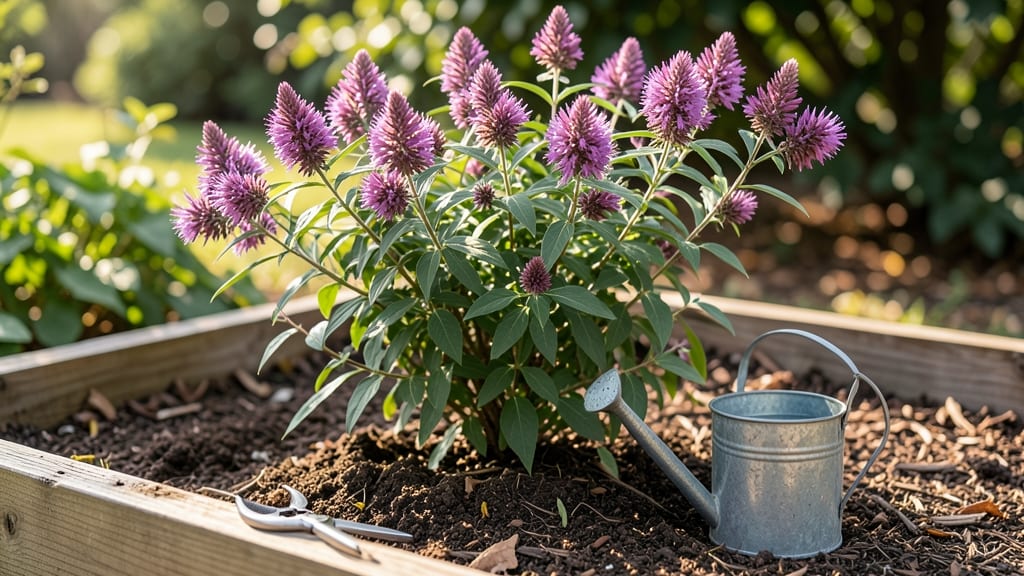
Your buddleia bush care can unlock nonstop blooms from spring to frost—if you master this one pruning trick. ✨ The secret lies in deadheading at the right time, which keeps flowers coming and prevents leggy growth that ruins the show.
I’ve turned my once-sparse butterfly magnet into a lush, year-round spectacle using this method. Start by pinching off spent blooms right after they fade, not when they turn brown. This fools the plant into thinking it’s spring again, triggering new flower growth.
Use clean pruners and work in morning sunlight when stems are dry—this reduces disease risk. A sharp pair of pruners and 10 minutes every few weeks is all it takes to keep your bush thriving.
By mid-summer, you’ll see fresh buds forming at the tips of branches, and butterflies will be swarming your yard like never before. The fragrance alone—sweet and honey-like—makes it worth the effort. Even in winter, the structure stays sturdy and attractive, making it a garden workhorse.
This method works for all buddleia varieties, from the compact ‘Lo & Behold’ to towering ‘Royal Red’. Just adjust pruning frequency based on your climate—cooler zones may need less aggressive trimming. Let’s get those blooms going!
📚 In This Guide
- What you need
- Instructions
- Tips and common mistakes
- Wrapping up and next steps
What you need
- ● Pruning shears: Bypass pruners (sharp, clean, and bypass-style for clean cuts—avoid anvil pruners!). Quantity: 1 pair.
- ● Garden gloves: Heavy-duty, nitrile-coated for grip and protection. Quantity: 1 pair.
- ● Disinfectant: 70% isopropyl alcohol or bleach solution (1 part bleach to 9 parts water) to sterilize tools. Quantity: Small spray bottle or container.
- ● Compost bin or bag: For clippings (Buddleia is invasive—never compost in wild areas!). Quantity: As needed.
- ● Sturdy bucket: 5-gallon size for collecting pruned branches. Quantity: 1.
- ● Loppers: For thicker stems (1.5-inch diameter or larger). Quantity: 1 pair.
- ● Hand pruners: Compact, ergonomic for precision work. Quantity: 1 pair.
- ● Knee pads: For comfort if your Buddleia is ground-level or sprawling.
- ● Label tags: If you’re propagating cuttings (e.g., Buddleia davidii varieties).
- ● Rake or leaf blower: To clear fallen debris post-pruning.
- ● Timing: Prune in late winter or early spring (before new growth) for best results.
- ● Weather: Choose a dry, overcast day to avoid stressing the plant.
- ● Safety: Wear protective eyewear if working near thorny varieties like Buddleia alternifolia.
- ● Knowledge: Familiarize yourself with your specific Buddleia variety—some (like Buddleia globosa) need less aggressive pruning.
Step-by-Step instructions for buddleia bush care
Here's how to keep your butterfly magnet blooming all season long—no fancy tools required.
🌿 Step 1: Prune for Shape and Health in Early Spring
Wait until new growth appears (usually late March or April, after the last frost) before pruning. Buddleia grows on new wood, so cutting back too early removes next year's blooms. I always start by removing any dead or diseased branches first—these are easy to spot as they're brown, brittle, or covered in mold.
Next, shape the bush by cutting back the previous year's growth by about one-third. This encourages dense, bushier growth and prevents the plant from becoming top-heavy. Use clean, sharp pruners to make cuts just above a leaf node or outward-facing bud. Avoid cutting into old, woody stems—they won't regrow.
☀️ Step 2: Deadhead Regularly for Continuous Blooms
Deadheading is the secret to year-round blooms with buddleia. As soon as the flowers fade (you'll notice them turning brown or wilting), snip off the spent flower clusters with clean pruners. Cut back to just above the first set of healthy leaves below the bloom—this encourages new side shoots to form.
I like to deadhead every 2-3 weeks during the blooming season (spring through fall). The key is to stay consistent—if you skip a cycle, the plant will redirect energy into seed production instead of new flowers. Watch for fresh buds forming along the stems; these are your signal that deadheading is working.
💧 Step 3: Water Deeply and Mulch for Root Health
Buddleia is drought-tolerant once established, but young plants or those in hot, dry climates need 1-2 inches of water weekly. Water deeply at the base of the plant in the morning to encourage strong root growth. Avoid wetting the leaves, as this can promote fungal diseases like powdery mildew.
Apply a 2-3 inch layer of organic mulch (like shredded bark or wood chips) around the base of the plant, keeping it 3-4 inches away from the trunk. This helps retain moisture, regulates soil temperature, and suppresses weeds. Refresh the mulch every spring—you'll know it's time when it breaks down into the soil.
✂️ Step 4: Light Winter Pruning to Control Size
In late winter (just before new growth starts), do a final light pruning to control the bush's size and shape. Remove any crossing or rubbing branches first—these create entry points for pests and diseases. Then, trim back any overly long or leggy stems by about half their length.
This is also the time to thin out the center of the bush if it's become too dense. Aim for an open, airy structure—buddleia needs good airflow to prevent fungal issues. After pruning, give the plant a light feeding with a balanced fertilizer (like 10-10-10) to support new growth in spring.
🪴 Step 5: Protect from Pests and Diseases Proactively
Buddleia is generally pest-resistant, but aphids and spider mites can occasionally become an issue. Inspect the undersides of leaves weekly for signs of infestation—tiny yellow spots or sticky residue are red flags. If you spot pests, blast them off with a strong stream of water or treat with neem oil.
For fungal diseases like powdery mildew, ensure your pruners are clean and disinfected between cuts. If you notice white powdery patches on leaves, improve airflow around the plant and avoid overhead watering. In severe cases, apply a fungicide labeled for ornamental plants, but prevention (proper pruning and spacing) is always better than cure.
Tips & tricks for buddleia bush care
These simple yet powerful tricks will transform your buddleia from a one-time bloomer to a year-round butterfly magnet.
The Pruning Precision: When shaping your bush in Step 1, focus on creating an open vase shape rather than a dense center. This isn't just about aesthetics—it's about airflow. A well-ventilated buddleia resists fungal diseases like powdery mildew, which can turn those fragrant blooms into a sad, dusty mess. I make my cuts at a 45-degree angle just above outward-facing buds to encourage new growth in the right direction. This technique also prevents the plant from becoming top-heavy, which is especially important for larger varieties.
Deadheading Discipline: The 2-3 week deadheading schedule in Step 2 might seem frequent, but here's why it works: buddleia flowers on new wood, meaning every time you remove spent blooms, you're signaling the plant to produce fresh growth. I've seen buddleia bushes go from sporadic bloomers to continuous flower producers just by sticking to this schedule. Pro tip: Use clean pruners each time—disease can spread through contaminated tools, and you don't want to accidentally introduce powdery mildew while trying to prevent it.
Watering Wisdom: That 1-2 inches of water weekly recommendation in Step 3 is a guideline, but the real secret is timing. Water in the morning so the foliage has all day to dry, which dramatically reduces fungal risks. I've noticed that buddleia actually prefers slightly dry conditions once established—overwatering is the number one cause of root rot in these plants. For the mulch layer in Step 3, I prefer cedar chips because they naturally repel pests while breaking down slowly, giving you more time between refreshes.
Winter Pruning Strategy: The half-length trim in Step 4 might seem aggressive, but it's actually a growth hack. By removing half the length of leggy stems, you're encouraging the plant to produce multiple new shoots from the base. This creates a fuller, bushier plant next season. I always do this pruning on a dry day—wet conditions can spread diseases through open cuts. After pruning, I spread a light layer of compost around the base to provide nutrients for the new growth that's about to sprout.
Pro Tips for Buddleia Bush Care
- These simple yet powerful tricks will transform your buddleia from a one-time bloomer to a year-round butterfly magnet.
- The Pruning Precision: When shaping your bush in Step 1, focus on creating an open vase shape rather than a dense center.
- I've seen buddleia bushes go from sporadic bloomers to continuous flower producers just by sticking to this schedule.
Frequently asked questions
Got questions about keeping your buddleia bush thriving?
Here are answers to the most common ones—from pruning tips to troubleshooting—so you can enjoy those fragrant blooms all season long!
When is the best time to prune buddleia for maximum blooms?
Prune your buddleia right after flowering (late summer to early fall) to encourage fresh growth and next year’s blooms. Avoid heavy pruning in spring—this plant blooms on new wood, so cutting back too early can reduce flowers. A light trim in late winter (if needed) is fine, but focus on shaping rather than drastic cuts.
How hard can I prune buddleia without killing it?
Buddleia is tough! You can cut back up to ⅓ of the plant annually without harm, but avoid removing more than half in one go. For older bushes, prune selectively—remove dead or weak stems first, then trim back healthy branches to 12–18 inches from the base. Never prune into old wood (woody stems with no green shoots)—this won’t regrow.
Will pruning buddleia reduce its value to pollinators?
Not if you time it right! Prune after the main flowering season (late summer/fall) to let bees and butterflies feed first. Leave some seed heads for winter interest—they’re a food source for birds. If you must prune earlier, save the cuttings and plant them elsewhere to extend pollinator support.
Can I grow buddleia in containers, and how does pruning differ?
Container buddleia needs more frequent pruning—trim back by ½ to ⅔ annually to control size and encourage bushiness. Use well-draining soil and a pot with drainage holes. In containers, prune throughout the growing season to prevent root-bound stress. Pro tip: Fertilize lightly after pruning to boost regrowth!
My buddleia leaves are yellowing—is it overwatering or something else?
Yellow leaves often signal overwatering or poor drainage, but buddleia is drought-tolerant! Check for:
- Soggy soil → Let it dry out between waterings.
- Root rot (mushy stems) → Repot with fresh, gritty soil.
- Nutrient deficiency (pale yellow) → Feed with a balanced fertilizer in spring.
Wrapping up and next steps
Caring for your Buddleia bush doesn’t have to be complicated—just a little attention and love can keep it blooming beautifully year after year! 🌸 By mastering deadheading and seasonal pruning, you’ll encourage vibrant flowers, healthier growth, and even more pollinators in your garden.
With the right tools and techniques, your Buddleia will reward you with stunning displays for seasons to come.
Ready to take your Buddleia care to the next level? Start small: pick one pruning session this week, and watch your bush thrive! For extra inspiration, explore seasonal gardening tips or join a local plant enthusiast group—your green thumb is about to shine! 🌿✨