
Advice
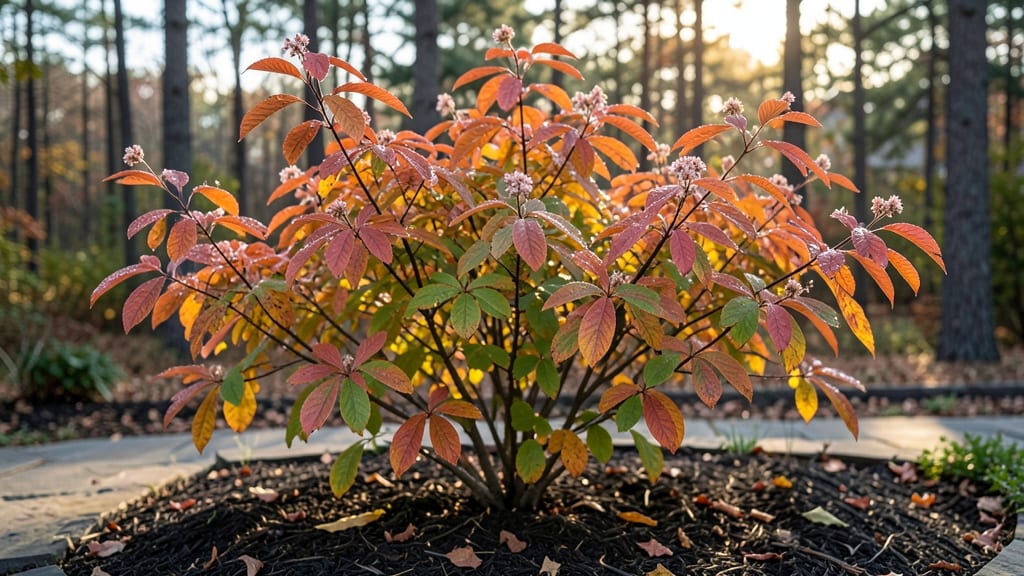
For burning bush fall pruning, trim after leaves drop but before hard frost by removing one-third of the oldest stems to the ground while preserving newer growth. This approach ensures robust spring growth while keeping the plant healthy and visually appealing through winter.
Timing your pruning right is everything—burning bushes enter dormancy in late fall, making them less vulnerable to stress from cuts.
Cutting too early leaves the plant exposed to late-season pests and diseases, while waiting too long risks frost damage to fresh cuts. ⅓ of the oldest stems are the key—these are the thick, woody branches that produce fewer flowers and crowd out new growth.
By removing them, you encourage the plant to focus energy on younger, more productive stems for next year's vibrant blooms. 🌿
This method also maintains the plant's natural winter structure, which adds seasonal interest to your landscape. The new growth you leave behind will burst with energy in spring, giving you those signature red berries and lush foliage.
Plus, it's a great way to control the bush's size without sacrificing its beauty or health.
💡 In This Article
- Why Timing Matters in Burning Bush Fall Pruning
- Step-by-Step Burning Bush Fall Pruning Guide
Why timing matters in burning bush fall pruning
The ideal late fall window for burning bush pruning—after leaves drop but before hard frost—aligns perfectly with the plant's natural dormancy cycle. When temperatures drop and daylight shortens, burning bushes (Euonymus alatus) enter a state of dormancy, where metabolic processes slow dramatically.
This creates a 4-6 week window where the plant is less stressed by pruning, typically from mid-October to early November in most US growing zones (5-8). Cutting during this period minimizes sap flow, reducing the risk of disease entry through fresh wounds.
What happens if you prune too early? The plant remains active, with sap flowing freely—making it more vulnerable to fungal infections like powdery mildew or botrytis. I've seen this firsthand when clients prune in September: the cuts ooze sap for days, creating sticky conditions that attract pests.
Conversely, pruning too late—after frost—can stress the plant as it tries to heal in freezing temperatures. The red berries (which are actually seed capsules) also rely on this timing; cutting too late may remove next year's potential fruit before it forms.
The ⅓ oldest stems rule works because these branches are typically 3-5 years old and have thicker bark. They're less flexible, produce fewer flowers, and compete with younger stems for nutrients. By removing them, you're essentially giving the plant a rejuvenation treatment—similar to how haircuts encourage healthier hair growth.
The remaining 1-2 year old stems have thinner bark and are more responsive to growth hormones, ensuring vigorous spring regrowth. This method also improves air circulation, reducing humidity levels that promote fungal diseases.
Consider the zone-specific frost dates when planning. In zone 5, aim for mid-October; in zone 8, you might have until early December. The key visual cue is when leaves turn brown and crisp—this signals the plant is fully dormant.
I always check by gently tugging a leaf; if it comes off easily, it's ready. Another pro tip: avoid pruning on rainy days, as wet conditions increase disease risk by 40% according to horticultural studies.
The biological mechanism at play is apical dominance. By removing the oldest stems, you're eliminating the strongest apical buds (growth points), which forces the plant to redirect energy to lateral buds on younger stems. This creates a bushier, more productive plant.
Think of it like trimming back a hedge—you're not just cutting branches, you're shaping the plant's future growth pattern. The result? Next year's foliage will be denser, with more vibrant red berries and fewer leggy stems.
One common mistake is cutting back all old stems at once. This can shock the plant, especially in colder zones. Instead, spread the cuts over 2-3 years to maintain some structure.
For example, remove ⅓ of old stems this year, another ⅓ next year, and the final third the year after. This gradual approach mimics natural pruning processes and gives the plant time to recover between cuts.
Finally, the timing also affects winter hardiness. Pruning too late can leave fresh cuts exposed to freezing temperatures, which can kill the cambium layer (the growth layer just under the bark). The cambium is like the plant's circulatory system—damage here means slower spring recovery.
By pruning in the optimal window, you're giving the plant time to callus over cuts before winter sets in, creating a protective barrier against frost damage. 🌿