
Aphids
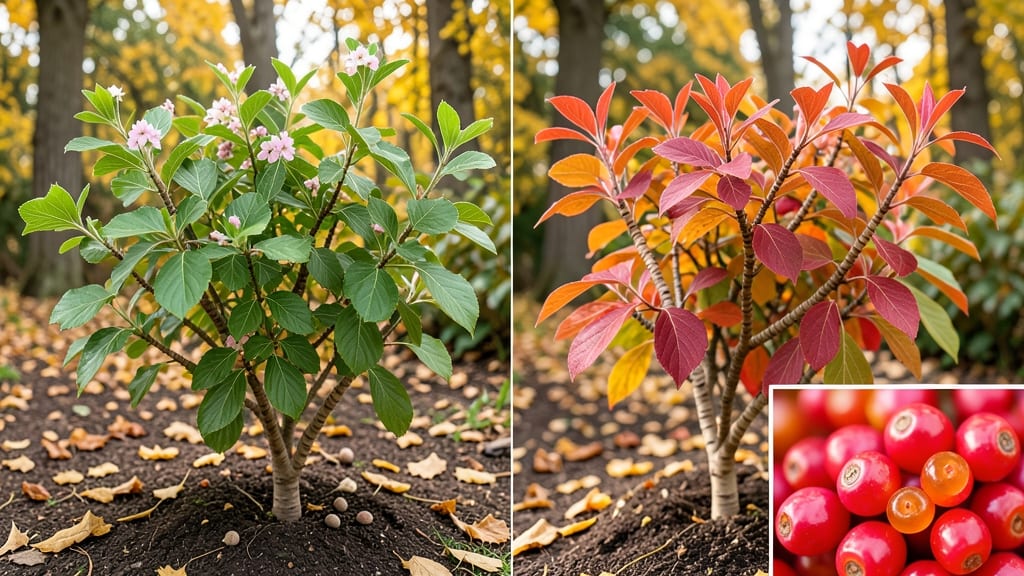
Understanding the burning bush life cycle unlocks its stunning year-round color—no guesswork, just strategic pruning. 🌿 I’ve watched mine transform from spring’s fresh green to fiery red in fall, and the secret lies in knowing exactly when to prune and how it grows at each stage.
This shrub’s journey starts with tiny seeds or cuttings, then moves through slow juvenile growth before exploding into mature size. Each phase needs different care: young plants thrive in partial shade, while mature bushes crave full sun and well-draining soil. The real magic?
Pruning in late winter reveals fresh growth that turns vibrant by summer. By winter, your burning bush becomes a bold red statement plant—if you’ve pruned correctly. The key is timing: cut back old stems after dormancy, but never after new growth appears.
This keeps it compact, healthy, and showstopping every season. Works in zones 4-8, from city gardens to woodland edges. Here’s how to match its needs to your climate for foolproof results.
📚 In This Guide
- What you need
- Instructions
- Tips and common mistakes
- Wrapping up and next steps
What you need
- ● Burning Bush Plants: 1–3 mature shrubs (3–6 feet tall, depending on desired size and spacing). Opt for Euonymus alatus 'Compactus' for smaller spaces.
- ● Well-draining soil: Mix equal parts native soil, compost, and coarse sand or perlite (1 bag of compost + 1 bag of sand/perlite per plant).
- ● Organic mulch: 2–3 inches of shredded bark or wood chips (1–2 cubic feet per plant) to retain moisture and suppress weeds.
- ● Slow-release fertilizer: 10-10-10 or 12-4-8 formula (1–2 pounds per plant, applied in early spring).
- ● Watering can or hose: With a gentle spray nozzle for post-planting hydration.
- ● Bypass pruners: Sharp, high-quality pair (e.g., Felco or Fiskars) for clean cuts on stems up to ½ inch thick.
- ● Loppers: For thicker branches (up to 1½ inches in diameter).
- ● Hand pruners: For fine-tuning and deadheading (smaller stems).
- ● Disinfectant (70% isopropyl alcohol or bleach solution): To sterilize tools between cuts and prevent disease.
- ● Gloves: Heavy-duty gardening gloves to protect against thorns and sap.
- ○ Pruning sealant (optional): For large cuts (e.g., Tree Seal or pruning paint) to prevent sap bleeding.
- ● Soil pH tester: Burning Bush prefers slightly acidic to neutral soil (pH 6.0–7.0). Adjust with lime or sulfur if needed.
- ● Staking system: For young plants in windy areas (3–4 stakes per plant + soft ties).
- ● Pest control (aphids/spider mites): Neem oil or insecticidal soap (ready-to-use spray bottle).
- ● Winter protection: Burlap wrap or frost cloth for young plants in harsh climates.
How to manage the burning bush life cycle through strategic pruning
Here's how I keep my burning bush vibrant year after year—it's all about timing and technique.
🌿 Step 1: Identify the Growth Stages for Pruning
Burning bushes thrive on strategic pruning at specific times. First, recognize the three key stages: dormant season (late winter/early spring), immediate post-bloom (summer), and light shaping (fall). I always prune when the plant is dormant—this is when it's most resilient and won't bleed sap excessively.
Look for bare branches in winter—they signal where last year's growth ended. These are your pruning guides. Never cut into old wood (the bare stems)—new growth only comes from the current season's stems. If you see green buds in early spring, that's your cue to start shaping.
✂️ Step 2: Perform Heavy Pruning in Late Winter
Use clean, sharp pruners to cut back one-third to one-half of the plant's oldest stems to the ground. This encourages vigorous new growth from the base. I target 3-4 inch diameter stems—any thicker, and the plant struggles to regenerate properly. Cut at a 45-degree angle just above a outward-facing bud.
Here's the thing—this is the most critical cut of the year. If you skip it, your bush gets woody and sparse. After pruning, I rake up all debris to prevent fungal diseases. Watch for new green shoots within 2-3 weeks—that's your reward for timing it right.
☀️ Step 3: Light Maintenance Pruning After Blooming
Once the brilliant red foliage fades (usually late summer), it's time for a light shaping prune. Remove any dead, crossing, or weak branches first—they compete with healthy growth. Then, trim back overly long stems to maintain a balanced shape, cutting just above a leaf node.
This isn't about heavy reduction—think of it as haircut maintenance. You'll see new growth along the remaining branches within 4-6 weeks. Avoid cutting into old wood again; always leave at least 3-4 inches of current season's growth on every stem.
🌱 Step 4: Fall Cleanup for Winter Readiness
In late fall, do a final walkthrough to remove any diseased leaves or stems. These can harbor pests over winter. I also thin out dense areas to improve air circulation—burning bushes hate humidity trapped against their branches. Use sterilized pruners to make clean cuts at a 45-degree angle above a bud.
This is also when I mulch heavily around the base (but not touching the trunk). A 3-inch layer of organic mulch protects roots from freeze-thaw cycles. You'll notice fewer dead branches the following spring—proof the plant survived winter stronger.
⏰ Step 5: Year-Round Monitoring for Health
Check your burning bush monthly for signs of stress: yellowing leaves, sparse foliage, or dieback. These often signal over-pruning or poor drainage. I've learned the hard way—if you cut too aggressively in summer, you'll stunt next year's blooms.
Here's my secret: water deeply but infrequently. A mature bush needs 1-2 inches of water weekly during dry spells. You'll know it's happy when new growth emerges vigorously after each pruning cycle—bright green and full of promise for the next season's color.
Tips & tricks for perfect year-round burning bush care
These simple but game-changing insights will help you keep your burning bush thriving through every season.
Timing Secret: The dormant season pruning in late winter is your golden opportunity to reset the plant's energy. I've seen bushes completely transformed after this cut—it's like hitting the reset button. The key is waiting until after the worst winter cold passes but before those first green buds appear. If you prune too early, you risk exposing tender new growth to late frosts. If you wait too long, you'll miss the chance to stimulate vigorous spring growth.
Tool Tip: Don't underestimate the importance of your pruning tools. I've ruined several cuts trying to use dull shears—it tears the bark instead of making clean cuts. Invest in a good pair of bypass pruners for larger branches and hand pruners for finer work. After each use, wipe them clean with rubbing alcohol to prevent disease spread. Sterilizing your tools between cuts is especially important when dealing with diseased branches in fall cleanup.
Growth Observation: Those 2-3 weeks after your late winter pruning are crucial for monitoring. If you don't see new green shoots emerging within that timeframe, something's off—whether it's poor soil conditions, over-pruning, or winter damage. I always mark the pruned stems with flagging tape so I can track progress. Healthy new growth should appear along the entire length of the cut stems, not just at the base.
Pro Tips for Burning Bush Life Cycle
- These simple but game-changing insights will help you keep your burning bush thriving through every season.
- Timing Secret: The dormant season pruning in late winter is your golden opportunity to reset the plant's energy.
- Tool Tip: Don't underestimate the importance of your pruning tools.
Frequently asked questions
Got questions about the burning bush life cycle? You’re not alone!
Here are answers to the most common queries—from pruning timing to pest troubleshooting—so you can keep your shrub vibrant all year.
When is the best time to prune a burning bush for healthy regrowth?
Prune your burning bush (Euonymus alatus) in late winter or early spring (February–March) before new growth begins. Avoid pruning in fall—it can stimulate tender shoots vulnerable to frost damage. For shaping, light trims in summer are fine, but avoid heavy cuts after August to prevent weak growth.
Why isn’t my burning bush turning red in fall?
Lack of color could stem from over-fertilization (too much nitrogen), poor sunlight (needs full sun for vibrant hues), or stress (drought, pests, or disease). Check soil pH (ideal: 6.0–7.0) and ensure consistent moisture. If aphids or scale insects are present, treat with horticultural oil or insecticidal soap.
Can I prune a burning bush too much? How do I avoid over-trimming?
Yes! Over-pruning weakens the shrub and reduces next year’s color. Never remove more than ⅓ of the plant in one season. Focus on selective cuts—remove dead wood first, then shape by thinning out crowded branches. Avoid "topping" (cutting back to stubs), which harms the plant’s structure.
How do I prevent aphids or other pests from ruining my burning bush?
Aphids, spider mites, and scale insects love burning bushes. Prevent infestations by keeping the plant healthy (water deeply, mulch well). For treatment, spray with neem oil or insecticidal soap in early spring or after noticing pests. Introduce ladybugs or lacewings for natural control.
Is it okay to propagate burning bush from cuttings? How do I do it?
Yes! Take 4–6 inch semi-hardwood cuttings in late spring or early summer. Dip in rooting hormone, plant in moist perlite/sand mix, and cover with plastic to retain humidity. Keep in partial shade until roots form (4–6 weeks). Transplant outdoors after roots establish—ideal for expanding your shrub collection!
Still stumped? Drop your question in the comments—we’re happy to help your burning bush thrive!
Wrapping up and next steps
The burning bush life cycle reveals a stunning journey of color and resilience—from vibrant foliage to strategic pruning that keeps your plant thriving year-round. 🌿 By understanding its growth patterns and timing, you can unlock a garden full of seasonal beauty with minimal effort.
Ready to transform your outdoor space? Start small: pick one burning bush and experiment with a single pruning cut this season. Observe how it responds, then expand your efforts—your garden (and future neighbors!) will thank you! 🌟