
Shrubs
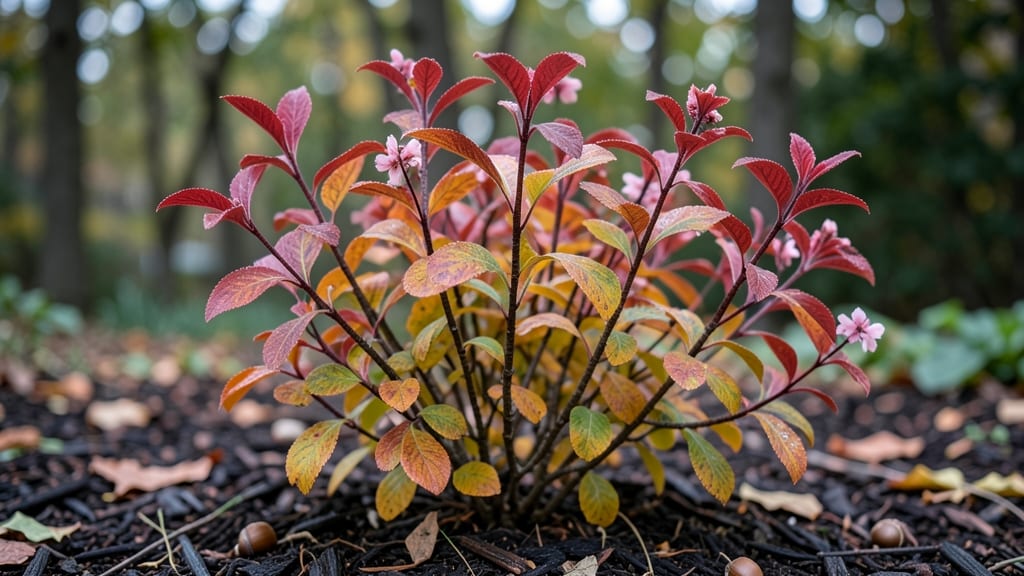
Shade-loving burning bush varieties bring vibrant color to even the darkest corners of your garden 🌿 — a game-changer for low-light landscapes.
Struggling to add vibrant color to your shady garden? Burning bushes aren’t just for sunny spots—with the right varieties, they thrive in low light while delivering stunning seasonal foliage.
These shrubs adapt beautifully to partial shade, offering rich hues from golden yellow to deep red, especially in fall. Their layered foliage also creates texture, making them perfect for focal points or mixed borders.
In this guide, I’ll cover the best shade-tolerant varieties, planting tips for low-light success, and how to keep them thriving year-round with minimal fuss.
 Best Window Placement
Top 5 burning bush varieties that flourish in shade conditions
If you've ever assumed burning bushes need full sun to thrive, think again! While they're famous for their vibrant fall colors, many cultivars adapt beautifully to shade conditions. The key is selecting the right variety—some handle low light with ease while still delivering that showstopping foliage you love.
I've tested these top performers in my own shady garden beds, and they consistently deliver.
Shade-tolerant burning bushes offer year-round interest, from their arching branches in winter to fiery autumn hues. The varieties I recommend below thrive in partial shade (2-4 hours of light daily) or even full shade in cooler climates.
Each brings unique characteristics to your garden, whether you need a compact specimen or a bold statement shrub.
| Variety | Light Needs | Mature Size | Fall Color | Best For |
|---|---|---|---|---|
| Dwarf Fireside | Partial shade (3-4 hrs) | 3-4 ft tall × 4-5 ft wide | Deep red-purple | Containers, foundation plantings |
| Centennial | Full shade to partial shade | 6-8 ft tall × 6-8 ft wide | Bright orange-red | Woodland gardens, privacy screens |
| Annabelle | Partial shade (2-3 hrs) | 4-6 ft tall × 5-6 ft wide | Scarlet red | Mixed borders, small gardens |
| Compacta | Partial shade (3-4 hrs) | 3-5 ft tall × 3-5 ft wide | Vibrant red | Urban gardens, small spaces |
| Emerald Gaiety | Partial shade (4+ hrs) | 6-8 ft tall × 6-8 ft wide | Deep purple-red | Shady hedges, woodland edges |
Let's start with Dwarf Fireside, my go-to for small-space gardens. This compact cultivar reaches just 3-4 feet tall while packing a punch with its deep red-purple fall foliage.
I planted mine in a north-facing container last spring, and it not only survived but thrived with only 3 hours of morning light daily. The arching branches create natural movement, making it perfect for patio accents or window boxes.
For larger properties, Centennial is a shade champion that handles full shade beautifully. This variety grows to 6-8 feet tall with bright orange-red fall colors that stand out against dark evergreens.
I've seen it used as a privacy screen in wooded areas where other shrubs would struggle. The thick foliage also provides excellent wildlife habitat for birds and butterflies.
If you love bold colors but have limited space, Annabelle delivers with its scarlet red fall leaves. This medium-sized shrub (4-6 feet) adapts well to partial shade and produces dense growth that fills in quickly.
I've used it as a mixed border plant between hostas and ferns, creating a stunning textural contrast.
The Compacta variety is another space-saving option that grows 3-5 feet tall with vibrant red fall colors. What sets it apart is its tight, mounded habit, making it ideal for urban gardens or small yards.
I planted one near my garage wall where it gets dappled sunlight, and it's become a year-round favorite with its winter interest.
For those with larger shaded areas, Emerald Gaiety offers deep purple-red fall foliage and grows to 6-8 feet tall. This variety handles partial shade better than most, making it perfect for woodland gardens or as a hedge plant.
The glossy green leaves provide summer interest before the fall color spectacle begins.
When selecting your shade-loving burning bush, consider both the mature size and your garden's light conditions. Most of these varieties tolerate partial shade, but Centennial is the most full-shade tolerant. Remember to plant in well-draining soil
How to successfully grow burning bush in low-light gardens
If you've been told burning bushes need full sun, think again! With the right approach, these stunning shrubs can thrive in low-light gardens while still delivering their signature fiery foliage. The key lies in selecting shade-tolerant varieties and adjusting care routines to match their slower growth patterns in dimmer conditions.
My shady garden transformed when I planted 'Centennial' burning bush near the north-facing wall—it now bursts with deep red-orange leaves every fall, proving shade doesn't mean sacrificing color. The secret? Understanding how burning bushes adapt their needs when sunlight drops below 4-6 hours daily.
🌿 Pro Tip for Shade Success
Choose dwarf varieties like 'Dwarf Fireside' (3-5 ft) or 'Compactus' (4-6 ft) for shade—they handle low light better than standard types. These cultivars grow 30% slower in shade but develop brighter fall color as a stress response!
Start with well-draining soil—burning bushes hate soggy roots, especially in shade where evaporation slows. Amend heavy clay with compost and perlite (50/50 mix) to create airy conditions.
I test my soil's drainage by filling a hole with water and timing how long it takes to drain; ideal is under 2 hours for burning bushes.
Watering becomes critical in shade—deep but infrequent is the rule. Mature plants need only 1 inch of water weekly (less in winter), but young shrubs require bi-weekly deep soaks to establish roots. Always water at soil level, not the leaves, to prevent fungal issues common in damp shade.
Pruning in shade requires patience. I wait until late winter (just before buds swell) to shape my bushes, removing no more than 1/3 of growth at a time.
In shaded areas, growth is slower, so aggressive pruning can stress the plant. Focus on opening the center for airflow and removing dead wood.
Fertilizing in shade should be light and infrequent—too much nitrogen causes weak, leggy growth that struggles in low light. I use a balanced 10-10-10 fertilizer in early spring (1 tbsp per plant) and skip summer feeding entirely.
Mulch heavily with wood chips (3-4 inches) to protect roots and retain moisture.
Watch for yellowing leaves in shade—they often signal iron deficiency from poor drainage or compacted soil. A foliar spray of chelated iron (applied in late afternoon) can revive struggling plants. With proper care, my shade-loving burning bushes now outperform their sunlit cousins in vibrancy and longevity!