
Pruning
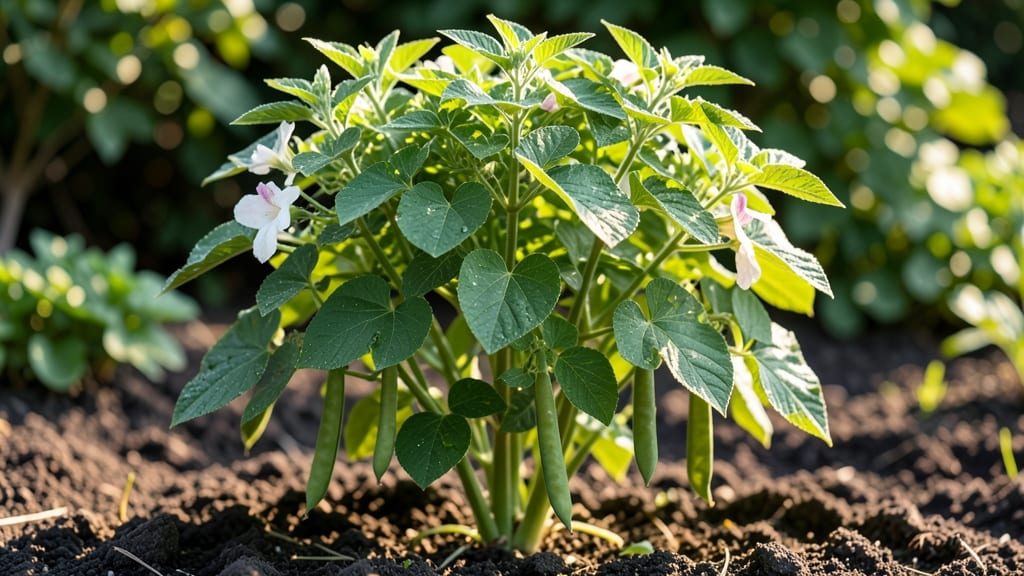
Choosing the right bush bean variety means the difference between a measly handful of beans and a harvest that feeds your family all summer. 🌱 I’ve grown everything from Blue Lake to Contender, and some varieties produce so prolifically, you’ll wonder why you ever bought them at the store.
The secret? Matching the plant to your space, climate, and how (or if) you plan to stake them.
Blue Lake beans are the crowd-pleaser—sweet, tender, and productive in 50-60 days, perfect for beginners or container gardens. Roma beans, though slower to mature, deliver meaty, flavorful pods ideal for drying or canning.
Meanwhile, Kentucky Wonder’s compact stature makes it a top pick for small spaces, yielding 3-4 pounds per plant if you keep picking. Each thrives in full sun and well-draining soil, but spacing matters: crowd them, and you’ll sacrifice both yield and airflow.
By mid-summer, you’ll be snapping fresh pods straight from the vine, their crisp texture and buttery flavor beating anything you’ve bought. Succession planting every 2-3 weeks keeps the harvest going until frost, while container growers can tuck 2-3 plants in a 5-gallon pot for a steady supply.
The key? Pick regularly—once beans start swelling in the pod, they won’t wait around.
For urban gardeners or first-timers, Blue Lake or Contender are the safest bets—they’re disease-resistant, handle heat well, and forgive minor care oversights. Pole beans like Kentucky Wonder, though, repay patience with double the harvest in the same space. Here’s how to pick the perfect match for your garden.
📚 In This Guide
- What you need
- Instructions
- Tips and common mistakes
- Wrapping up and next steps
What you need
- ● Seeds: Choose your preferred bush beans variety (e.g., 'Blue Lake,' 'Contender,' or 'Kentucky Wonder' for pole beans). Buy 2-3 seeds per plant (or 1 seed per pod for bush types). Aim for 10-20 plants for a small garden.
- ● Growing Medium: Soil: Well-draining, fertile soil with a pH of 6.0–7.0. Mix in 2–3 inches of compost before planting.
- ○ Containers (optional): 5–10 gallon pots with drainage holes for dwarf or bush varieties.
- ● Support Structures (for pole/runner beans): Trellis or stakes: 5–6 foot tall (for pole beans) or 8–10 foot tall (for runner beans). Use 3–4 stakes per 10-foot row or install a wire trellis.
- ● Twine or garden ties: 10–15 feet per plant for securing vines.
- ● Watering Supplies: Watering can or hose with a gentle nozzle.
- ○ Drip irrigation system (optional) for consistent moisture.
- ● Fertilizer: Balanced fertilizer (10-10-10) or compost tea at planting time.
- ○ Low-nitrogen fertilizer (5-10-10) when flowers appear (optional).
- ● Mulch: 2–3 inches of straw or grass clippings to retain moisture and suppress weeds.
- ● Pruning shears for trimming excess growth or dead foliage.
- ● Garden gloves to protect your hands while handling plants.
- ● Plant markers to label varieties and track progress.
- ● Row cover or shade cloth for early planting or pest protection.
- ● Soil test kit to check nutrient levels before planting.
How to select and grow the perfect bush bean variety for your garden
Here's how to choose and cultivate bush beans for a steady, low-maintenance harvest—no climbing trellises required.
🌱 Step 1: Choose Your Bean Variety Based on Growing Conditions
Bush beans come in three main types: dwarf (compact), pole (climbing), and runner (longer vines). For true bush beans, focus on dwarf varieties like 'Blue Lake Bush' or 'Contender'—they grow 18-24 inches tall and produce pods directly at the stem. These are ideal for small spaces, containers, or areas with limited vertical support.
If you prefer year-round harvests, opt for heat-tolerant varieties like 'Masai' or 'Blue Lake' that thrive in 60-85°F soil temperatures. Check your last frost date—most bush beans germinate best in soil above 60°F and mature in 50-60 days. Plant seeds 1 inch deep, 3-4 inches apart, in rows 18-24 inches apart for optimal airflow and sunlight.
☀️ Step 2: Prepare Soil and Plant for Maximum Yield
Bush beans thrive in well-draining, slightly acidic soil (pH 6.0-7.0). Work 2-3 inches of compost into the topsoil before planting to improve fertility and moisture retention. Avoid fresh manure—it can burn young roots. If your soil is heavy clay, mix in sand or perlite to prevent compaction.
Plant seeds after the last frost when soil reaches at least 60°F. For cooler climates, use black plastic mulch to warm the soil and extend the growing season. Water 1 inch per week, keeping soil consistently moist but never soggy. You'll know moisture is right when the top 1 inch of soil feels damp but not waterlogged.
💧 Step 3: Maintain Consistent Water and Fertility
Bush beans need steady moisture—uneven watering causes blossom end rot or stunted pods. Water at the base of plants in the morning to reduce fungal risks. Once plants reach 6 inches tall, apply a balanced fertilizer (10-10-10) lightly around the base, avoiding direct contact with stems. Over-fertilizing leads to leafy growth at the expense of pods.
Watch for yellowing leaves—this often signals nitrogen deficiency or overwatering. If leaves curl or pods shrivel, increase water slightly and check for pests like Mexican bean beetles. Handpick beetles early; their larvae skeletonize leaves overnight. You'll see healthy plants with dark green leaves and firm pods when care is on point.
✂️ Step 4: Harvest and Encourage Continuous Production
Harvest bush beans when pods are 4-6 inches long and firm—this ensures tender texture and peak flavor. Pick every 2-3 days to encourage more blossoms and pods. Use clean pruners or scissors to snip stems, leaving the plant intact for regrowth. Avoid pulling pods, which can damage the vine.
Most bush bean varieties produce for 4-6 weeks before tapering. For extended harvests, succession plant seeds every 2 weeks after the first planting. Store harvested beans in the fridge for up to 5 days or freeze for long-term use. You'll know it's time to replant when pods become stringy or woody—signs the plant is shifting energy to seed production.
Tips & tricks for perfect bush bean variety selection and growth
Real talk: The difference between a thriving bush bean harvest and a disappointing one often comes down to these overlooked details.
Variety Selection Matters: When choosing between dwarf, pole, and runner varieties, consider your space and climate. Dwarf varieties like 'Blue Lake Bush' are perfect for containers or small gardens, while heat-tolerant types like 'Masai' excel in warmer regions (60-85°F). I've learned the hard way that planting the wrong variety for your zone can mean fewer pods and more frustration—always check your last frost date and match the variety to your growing season.
Soil Preparation is Non-Negotiable: The instructions mention well-draining soil with a pH of 6.0-7.0, but here's what nobody tells you: Test your soil before planting. If your soil is heavy clay, mix in sand or perlite to improve drainage—this prevents root rot and ensures steady growth. I've seen gardens with perfect soil conditions fail because of poor drainage, so don't skip this step.
Watering Wisdom: Those 1 inch per week measurements are critical, but timing matters just as much. Water at the base of plants in the morning to reduce fungal risks and evaporation. I use a rain gauge to track moisture levels—when the top 1 inch of soil feels damp (not soggy), that's your cue to water again. Overwatering can lead to blossom end rot, which ruins pods before they even form.
Harvesting Technique: The 4-6 inch pod length guideline is spot-on, but here's the pro move: Use clean pruners or scissors to snip stems rather than pulling pods. This prevents damaging the vine and encourages more production. I've seen gardeners accidentally uproot plants while harvesting, so take your time—gentle hands mean more beans later.
Pro Tips for Bush Beans Variety
- Real talk: The difference between a thriving bush bean harvest and a disappointing one often comes down to these overlooked details.
- Variety Selection Matters: When choosing between dwarf, pole, and runner varieties, consider your space and climate.
- Soil Preparation is Non-Negotiable: The instructions mention well-draining soil with a pH of 6.0-7.0, but here's what nobody tells you: Test your soil before planting.
Frequently asked questions
Got questions about growing bush beans? You’re not alone! Here are answers to some of the most common queries to help you cultivate a thriving harvest.
What’s the difference between bush beans, pole beans, and runner beans?
Bush beans
grow in compact, low bushes (1-3 feet tall) and produce all their beans at once. Pole beans climb vines (up to 10 feet) and yield continuously. Runner beans (like scarlet runners) are a hybrid—dwarf varieties stay bushy, while climbing types need trellises. Choose based on space and harvest preferences!
How long does it take for bush beans to mature?
Most bush bean varieties mature in 50–60 days from planting, depending on the type. Check seed packets for exact days-to-harvest (DTH). For example, 'Blue Lake' takes ~55 days, while 'Contender' may mature in 50. Plant seeds 1 inch deep and keep soil warm (60°F+) for faster growth.
Why are my bush beans flowering but not producing pods?
This usually happens due to heat stress (above 85°F), poor pollination, or nutrient deficiencies. Try these fixes:
- Provide afternoon shade in hot climates.
- Gently shake plants to aid pollination.
- Fertilize with low-nitrogen, high-phosphorus (like 5-10-10) when flowers appear.
Can I grow bush beans in containers? If so, what size pot do I need?
Bush beans thrive in containers as long as the pot is at least 12–18 inches deep (deeper for larger varieties like 'Kentucky Wonder'). Use well-draining soil, and place pots in full sun (6+ hours/day). For multiple plants, space them 3–4 inches apart and choose compact varieties like 'Provider' or 'Blue Lake Bush'.
Are bush beans good for canning or freezing? Which varieties are best?
Yes! Bush beans are excellent for preserving. For canning, use waxy or flat-podded varieties like 'Blue Lake' or 'Roma II'. For freezing, choose tender varieties like 'Contender' or 'Tendergreen'. Harvest when pods are firm but tender (before seeds bulge). Blanch beans for 2–3 minutes before freezing to retain texture.
Wrapping up and next steps
Exploring the world of bush beans varieties opens up a delicious, low-maintenance gardening adventure!
Whether you're drawn to the dwarf types for compact spaces, the pole varieties for continuous harvests, or the runner beans for a unique twist, there’s a perfect match for your garden goals. 🌱 With the right prep and care, you’ll enjoy fresh, homegrown beans all year—why not start planting your favorites today?
Ready to dive in? Pick your variety, gather your supplies, and get growing! Happy gardening! 🌿