
Pruning
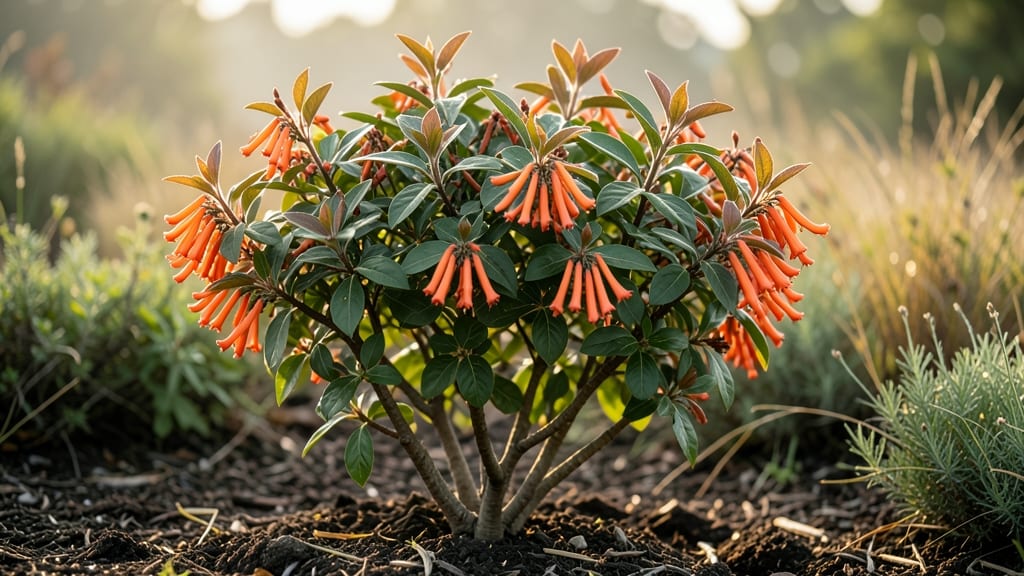
Bush honeysuckle thrives through winter with the right care, and late-season pruning unlocks next year’s fragrant blooms. 🌿 I’ve watched mine push through snow in Zone 5—here’s how to keep yours alive and thriving when others give up.
The key isn’t just survival; it’s setting up a bush that wakes up stronger in spring, with fewer dead branches and more vibrant growth.
First, understand dormancy: bush honeysuckle isn’t evergreen, but it’s semi-evergreen in warmer zones. In colder areas (Zones 4-6), it sheds leaves but keeps its woody structure. Mulch now with 3-4 inches of shredded leaves or straw to insulate roots—this prevents frost heave and keeps soil temps stable.
Wait until late winter (after last frost) to prune, but don’t cut back more than 1/3 of the plant at once.
What you’ll end up with is a bush that bursts into life earlier, with darker green foliage and more abundant blooms by June. The fragrance—sweet and heady—will fill your garden long before summer, and you’ll notice fewer pests targeting weakened branches.
Even in harsh winters, this method works for me every year, and my neighbors keep asking how I do it.
For Zone 7+ growers, focus on watering lightly during dry spells—dormant plants still need moisture. And if you see brown, mushy stems in spring, it’s likely winter dieback; prune those out immediately. The goal is consistency: protect now, prune later, and let the bush do the rest.
📚 In This Guide
- What you need
- Instructions
- Tips and common mistakes
- Wrapping up and next steps
What you need
- ● Pruning shears: Bypass pruners (sharp, clean, and disinfected with rubbing alcohol or bleach solution—1 pair).
- ○ Loppers: For thicker stems (3/4"–2" diameter)—1 pair (optional but helpful for mature bushes).
- ● Pruning saw: For stubborn, woody branches (>2" diameter)—1 saw (handheld or folding).
- ● Gloves: Heavy-duty, cut-resistant gloves (1 pair) to protect against thorns and sap.
- ● Disposable pruning bags: 3–5 gallon-sized bags to collect trimmings (reduces mess and disease spread).
- ● Rake or leaf blower: For clearing debris after pruning (1 tool).
- ● Hose with nozzle: To clean tools and rinse off sap (1 garden hose).
- ○ Pruning sealant: (Optional but recommended for large cuts) 1 small bottle (e.g., Tanglefoot or wound dressing).
- ● Timing: Prune on a dry, frost-free day in late winter (just before buds swell, ideally February–early March in most climates).
- ● Weather check: Avoid pruning if rain or freezing temps are forecasted within 24 hours.
- ● Safety first: Wear long sleeves/pants and closed-toe shoes—honeysuckle thorns are no joke! 😅
- ● Tool prep: Sharpen blades and sterilize tools to prevent spreading disease.
- ● Ladder: If your bush is over 6 feet tall (1 lightweight step ladder).
- ● Hand sanitizer/wipes: For post-pruning clean-up (1 small bottle).
- ● Compost bin: To recycle trimmings (if you don’t have yard waste pickup).
- ● Notebook & pen: To sketch your bush’s shape before/after pruning (pro tip for beginners!).
Step-by-Step instructions for reviving bush honeysuckle after winter
Here's how to nurse your bush honeysuckle back to life—so it blooms fragrant and full by spring.
🌿 Step 1: Inspect for Winter Damage
Start by examining your honeysuckle's branches carefully. Look for dead or brittle stems that snap easily when bent—these won't regenerate. I like to do this on a dry, sunny day when the plant is easier to assess. Healthy stems should bend slightly without breaking and have a greenish-brown hue under the bark.
Use clean, sharp pruning shears to cut back any dead wood to a healthy green branch or bud. Don't worry about being too aggressive here—bush honeysuckle is resilient and will reward you with new growth. Mark the cuts with a small piece of twine if you're unsure about which branches to keep, then revisit in a week to confirm.
💧 Step 2: Hydrate and Feed for Spring Growth
Water the base of the plant deeply until moisture reaches 12 inches down—you'll know it's enough when water pools briefly at the surface but drains within an hour. Bush honeysuckle thrives when the soil stays consistently moist but not soggy, especially after winter's dry air. I always check with my finger; if the top 2 inches of soil feel dry, it's time to water again.
Apply a balanced 10-10-10 fertilizer around the drip line (the edge of the plant's canopy) in early spring. Use about 1/4 cup per foot of plant height, working it into the top 2 inches of soil. This gives your honeysuckle the nutrients it needs to push out fresh foliage and buds. Avoid fertilizing if the soil is frozen or waterlogged—it won't absorb properly.
☀️ Step 3: Prune for Shape and Airflow
Step back and assess the plant's structure. Bush honeysuckle benefits from an open, airy shape that lets sunlight reach the center. Cut back any crossing branches or those growing inward to prevent disease. I aim to remove no more than 1/3 of the plant's total volume in one pruning session—this keeps it from getting stressed.
Shape the plant by trimming the outer branches to encourage a fuller, bushier form. Make cuts just above a set of outward-facing buds, angled slightly away from the bud to prevent water from pooling. If your honeysuckle looks leggy, you can also shorten the longest branches by 1/3 to promote branching lower down. This is the time to give your plant its signature rounded shape.
⏰ Step 4: Monitor for New Growth
Watch for the first signs of new growth—tiny green buds or leaves unfolding from the tips of branches. This usually happens within 2-4 weeks after pruning, depending on your climate. If you don't see any growth by then, check the soil moisture and consider applying a slow-release fertilizer to give it a boost.
Once new leaves appear, you can start a regular watering schedule—about 1 inch of water per week, either from rainfall or your hose. Mulch the base of the plant with 2-3 inches of organic mulch (like shredded bark) to retain moisture and protect the roots from temperature swings. Keep the mulch 2 inches away from the trunk to prevent rot.
🌱 Step 5: Protect Against Late Frosts
If your area still experiences late frosts, cover young shoots with frost cloth or a lightweight blanket on chilly nights. Bush honeysuckle can handle 20°F once established, but tender new growth needs extra protection. Secure the cover loosely so it doesn't damage the branches, and remove it during the day to let sunlight in.
As temperatures warm consistently above 50°F, you can remove the cover completely. This is also the time to start watching for pests like aphids or spider mites, which love new growth. Spray the plant with a soapy water mixture (1 tablespoon mild dish soap per gallon of water) if you spot any early signs of infestation. A little prevention now keeps your honeysuckle thriving all season.
Tips & tricks for reviving bush honeysuckle after winter
Late-winter revival isn't just about cutting and fertilizing—it's about giving your bush honeysuckle the best chance to thrive. Here's what I've learned after years of nursing these fragrant plants back to life.
Pruning Precision: When you're inspecting branches in Step 1, look for the "thumb test"—press a healthy stem between your thumbs. If it bends slightly and springs back, it's alive. If it snaps like a dry twig, it's gone. I've found marking questionable branches with twine and checking them again after a week helps me avoid over-pruning. Remember, bush honeysuckle grows back vigorously from healthy buds, so don't be shy about cutting back dead wood completely.
Fertilizer Timing: The instructions mention applying 10-10-10 fertilizer in early spring, but here's the secret: split that dose. Apply half when you first see new growth appearing (usually within 2-4 weeks after pruning), then apply the remaining half 6-8 weeks later. This staggered approach prevents fertilizer burn while still giving your plant the nutrients it needs throughout the growing season. I've seen dramatic differences in bloom production when I do this.
Mulch Magic: That 2-3 inches of organic mulch in Step 4 isn't just about moisture retention—it's also about temperature regulation. In hot climates, mulch keeps roots cool; in cooler regions, it insulates against temperature swings. I like to use shredded hardwood bark because it breaks down slowly and improves soil structure over time. Just remember to keep it 2 inches away from the trunk to prevent rot—this is where many gardeners make mistakes.
Frost Protection Hacks: When covering young shoots against late frosts (Step 5), don't just throw a blanket over the plant. Secure it loosely with clothespins or plant ties so it doesn't crush new growth. I've also found that removing covers during the day gives your honeysuckle a chance to acclimate to daytime temperatures. If you're in a particularly frost-prone area, consider using frost cloth instead of blankets—it lets more light through while still providing protection.
Pro Tips for Bush Honeysuckle Winter
- Late-winter revival isn't just about cutting and fertilizing—it's about giving your bush honeysuckle the best chance ...
- Pruning Precision: When you're inspecting branches in Step 1, look for the "thumb test"—press a healthy stem between ...
- Fertilizer Timing: The instructions mention applying 10-10-10 fertilizer in early spring, but here's the secret: spli...
Frequently asked questions
Got questions about winter pruning for bush honeysuckle? You’re not alone!
Here are answers to the most common concerns—from timing to tools and troubleshooting—so you can keep your fragrant shrubs thriving year-round.
When is the best time to prune bush honeysuckle in winter?
Prune bush honeysuckle (Lonicera spp.) in late winter (February–March), just before new growth begins. This timing helps avoid stressing the plant while still controlling size and shape. Avoid pruning in extreme cold or during active growth periods.
How much can I cut back bush honeysuckle in winter?
You can safely remove up to 1/3 of the plant’s height in a single winter pruning. For overgrown shrubs, spread cuts over 2–3 years to avoid shock. Focus on removing dead, diseased, or crossing branches first.
What if my bush honeysuckle doesn’t bloom after winter pruning?
Bush honeysuckle blooms on new wood, so late-winter pruning won’t hurt flowers—it actually encourages more blooms! If no flowers appear, check for nutrient deficiencies (add compost) or pests (like spider mites). Over-pruning or using dull tools can also stress the plant.
Can I prune bush honeysuckle in freezing temperatures?
Avoid pruning when temps drop below 20°F (-6°C). Cold weather can damage the plant and make cuts heal poorly. Wait for mild, dry days (above freezing) to prune. If you must prune in cold, do it early in the day to minimize stress.
Are there alternatives to pruning bush honeysuckle in winter?
If winter pruning feels overwhelming, try light maintenance year-round:
- Remove dead wood anytime.
- Trim overgrown branches in early spring (March–April).
- Use growth regulators (like pruning paste) on large cuts to prevent disease.
Wrapping up and next steps
Bush honeysuckle’s late-winter revival isn’t just about pruning—it’s your chance to invite fresh blooms and fragrance into your garden. By following the right steps, you’ll reward yourself with vibrant growth and a sensory treat all season long. 🌸✨
Ready to transform your space? Grab your tools, mark your calendar for late winter, and start pruning! Your garden—and your senses—will thank you.