
Planting
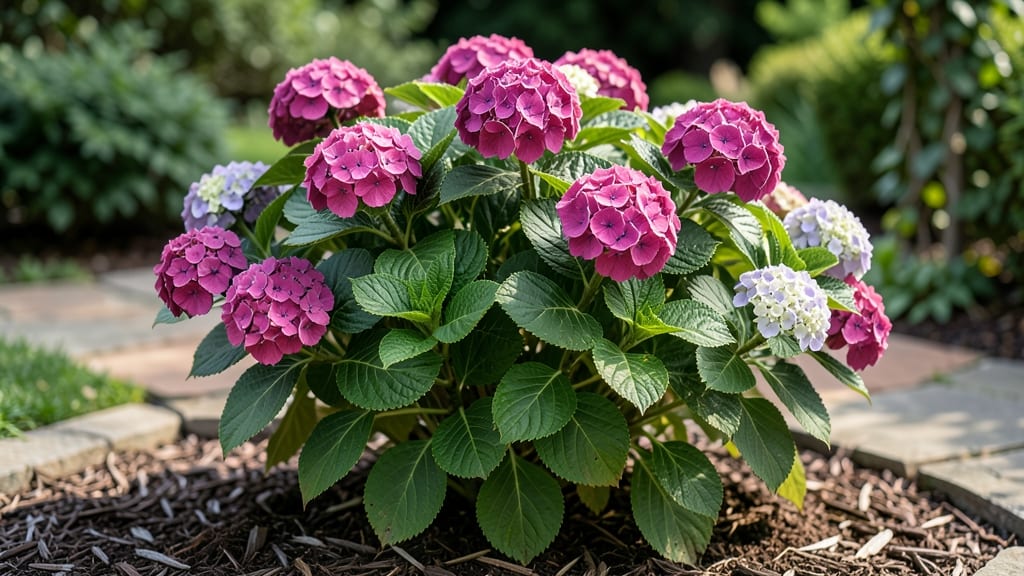
Choosing the right bush plant types transforms your yard from ordinary to extraordinary. 🌿 Whether you want fragrant blooms, lush privacy screens, or year-round structure, the right shrubs make all the difference.
My first garden had a bare winter corner—until I planted a hydrangea hedge that now blooms from June through frost. These plants vary wildly in size, care needs, and growing zones.
Dwarf lilacs stay under 4 feet but perfume the air in spring, while arborvitae grow 15 feet tall for instant privacy. Some thrive in shade (like azaleas), while others need full sun (like butterfly bushes). The key is matching your space and climate to the plant’s natural habits.
You’ll end up with a garden that feels alive all seasons—spring’s blossoms, summer’s fragrance, fall’s color, and winter’s evergreen structure. My hydrangea’s leaves turn burgundy in October, and the berries feed birds through winter. The right bushes make gardening effortless.
Start small with 2-3 varieties that suit your yard’s sunlight and soil. Add one new type each season, and watch your outdoor space evolve into a lush, functional retreat.
📚 In This Guide
- What you need
- Instructions
- Tips and common mistakes
- Wrapping up and next steps
What you need
- ● Bush plants (choose 3–5 varieties based on your needs, e.g., Boxwood, Hydrangea, or Camellia)
- ● High-quality potting soil (1–2 bags, depending on pot size; opt for well-draining mix)
- ● Containers or garden beds (pots: 12–18" diameter; beds: 3–4 ft wide for mature growth)
- ● Organic fertilizer (balanced 10-10-10 or slow-release granules, 1 lb per plant)
- ● Mulch (2–3 inches of shredded bark or pine straw to retain moisture)
- ● Pruning shears (sharp, clean pair for shaping and maintenance)
- ● Garden gloves (to protect hands from thorns or rough foliage)
- ● Watering can or hose with spray nozzle (gentle watering avoids root shock)
- ● Slow-release plant food tablets (for low-maintenance nutrition)
- ● Plant supports/stakes (for tall or top-heavy varieties like Gardenia)
- ● Soil pH tester (to ensure optimal growing conditions for acid-loving plants)
- ● Decorative rocks or edging (for a polished, landscaped look)
- ● Solar-powered plant lights (for winter or shaded areas)
How to select and care for bush plants for privacy and beauty
Here’s my go-to guide for choosing and maintaining bush plants that deliver year-round impact.
🌿 Step 1: Choose Bush Plants Based on Your Needs
Start by matching bush types to your goals. For privacy, opt for dense, fast-growing varieties like bamboo or ornamental grasses that fill space quickly. If fragrance is key, jasmine or gardenia bushes thrive in warm climates and reward you with intoxicating blooms. For year-round beauty, boxwood or holly keep their structure and color through all seasons.
Check your climate zone—some bushes, like azaleas, demand acidic soil and morning sun, while others, such as rosemary, tolerate dry conditions and full sun. I always test soil pH first with a simple kit to avoid disappointment later.
🪴 Step 2: Plant Bushes for Optimal Growth and Spacing
Dig holes twice as wide as the root ball but no deeper—this encourages roots to spread naturally. Amend the soil with compost (if your native soil is poor) and place the bush so the top of the root ball sits flush with ground level. Backfill with native soil, tamp gently, and water deeply to eliminate air pockets.
Spacing matters: Privacy bushes like privet need 3-4 feet apart, while ornamental grasses can stretch 4-6 feet. Check the plant tag for mature size—crowding leads to competition and weaker growth. Mulch with 2-3 inches of shredded bark to retain moisture and suppress weeds.
☀️ Step 3: Provide the Right Light and Water Conditions
Most bush plants thrive in full sun to partial shade (6+ hours of light daily). Sun-lovers like rosemary or lavender wilt in shade, while shade-tolerant varieties like boxwood or hemlock handle dappled light. Observe your yard’s sun patterns—south-facing spots get the most intensity.
Water deeply once a week (or daily in extreme heat) until the top 6 inches of soil feel moist. Overwatering smothers roots, so let the soil dry slightly between waterings. You’ll know it’s right when water drains through the soil within 15-30 minutes—no soggy patches.
✂️ Step 4: Prune for Shape and Health Year-Round
Prune early spring (before new growth) to shape bushes and encourage dense foliage. For privacy hedges, trim 2-3 times a year—lightly after flowering to maintain fullness. Use clean, sharp shears and cut at a 45-degree angle just above a leaf node to promote healing.
Deadhead spent blooms on flowering bushes like hibiscus to redirect energy into new growth. For evergreens, a light trim in late winter keeps them tidy. Avoid heavy pruning in fall—it stresses plants before dormancy. I always sterilize shears with rubbing alcohol between cuts to prevent disease spread.
🌱 Step 5: Fertilize and Protect for Long-Term Success
Feed bushes once in early spring with a balanced, slow-release fertilizer (10-10-10). Over-fertilizing burns roots, so follow package rates—usually 1 pound per 100 square feet. For acid-loving plants like azaleas, use an acidic fertilizer to match soil needs.
Watch for pests like aphids or spider mites—they love tender new growth. A strong spray of water often dislodges them, or use neem oil for organic control. In winter, mulch heavily (4-6 inches) to insulate roots from freezing temps. Bushes with thick foliage handle cold better than bare-stemmed types.
Tips & tricks for perfect bush plant selection and care
Real talk: Choosing the right bush plants is only half the battle—getting them to thrive takes the right approach. Here's what I've learned from years of trial and error in my own garden.
Selection Tip: When selecting bushes for privacy, don't just focus on height—look for plants with dense foliage that grows outward. Bamboo and privet are classic choices, but if you want something more unique, consider leucothoe or pieris for a lush, evergreen barrier. For fragrance lovers, plant jasmine near seating areas where you can enjoy the scent up close—just be prepared for it to climb if unchecked. The key is matching plant characteristics to your specific needs.
Planting Strategy: In Step 2, when digging those holes twice as wide as the root ball, I can't stress enough how important it is to loosen the soil thoroughly. Use your hands or a trowel to break up any compacted layers at the bottom—roots need room to spread. Also, if your native soil is heavy clay, mix in extra compost (up to 50% of the backfill) to improve drainage. This small step makes all the difference in root health during the critical first year.
Light and Water Wisdom: The 15-30 minute drainage test in Step 3 is your best friend for avoiding overwatering. If water pools on top after 30 minutes, your soil is too compacted—amend it with sand or perlite. For sun-loving bushes like rosemary, I've found that morning sun with afternoon shade works best in hot climates, preventing leaf scorch. And here's a pro move: water at the base of the plant rather than overhead to keep foliage dry and reduce disease risk.
Pruning Pro Tips: When pruning in early spring, I always make my first cut just above a leaf node—this is where new growth will emerge. For flowering bushes, wait until after they bloom to trim, unless you're okay with sacrificing some flowers. And if you're dealing with overgrown bushes, never remove more than one-third of the foliage in a single pruning session. Spread it out over multiple sessions to avoid shocking the plant.
Pro Tips for Bush Plant Types
- Real talk: Choosing the right bush plants is only half the battle—getting them to thrive takes the right approach.
- Selection Tip: When selecting bushes for privacy, don't just focus on height—look for plants with dense foliage that grows outward.
- Planting Strategy: In Step 2, when digging those holes twice as wide as the root ball, I can't stress enough how important it is to loosen the soil thoroughly.
Frequently asked questions
Got questions about choosing, growing, or maintaining bush plants? You’re not alone! Here are some of the most common queries—and their straightforward answers—to help you thrive with these versatile greenery stars.
What are the best bush plants for fast privacy screening?
If you need a quick privacy boost, opt for Bamboo (clumping types like Fargesia), Hornbeam (for structured hedges), or Arborvitae. These grow 2–3 feet per year and pack dense foliage. For tropical vibes, Lilly Pilly or Murraya (orange jasmine) deliver fast, fragrant screens too!
When is the ideal time to plant bush varieties?
Spring or early fall are the golden windows—when soil is warm but not scorching. Evergreens (like Boxwood or Holly) can handle cooler temps, while tender perennials (e.g., Abelia) need to root before winter. Avoid planting in extreme heat or frost; roots hate stress!
How do I keep bush plants healthy year-round?
Start with well-draining soil and mulch (2–3 inches) to retain moisture. Water deeply 1–2 times/week (adjust for drought), and prune in late winter/early spring to shape and encourage growth. Watch for pests like spider mites—neem oil is a gentle fix. Pro tip: Fertilize in early spring with slow-release granules for steady nourishment!
Can I grow fragrant bush plants in small yards or containers?
Try Dwarf Gardenia (sweet blooms), Sweet Box (compact and citrus-scented), or Lavender (drought-tolerant). Use large pots (15+ gallons) with drainage holes and a balanced potting mix. Just ensure they get 4–6 hours of sun daily—fragrant bushes thrive with light!
Why are my bush leaves turning yellow or dropping?
Yellow leaves often signal overwatering, poor drainage, or nutrient deficiencies. Check soil moisture (stick your finger in—if soggy, cut back). Brown edges? Could be underwatering or salt buildup (flush with water). Dropping leaves? Might be transplant shock or pests. Adjust care and monitor for 2–3 weeks—most bushes bounce back!
Still stumped? Drop your bush plant dilemma in the comments—we’re happy to help you green-thumb it!
Wrapping up and next steps
From fragrant Gardenia to lush Hydrangea and privacy-providing Arborvitae, bush plants offer endless possibilities for transforming your outdoor space into a vibrant, functional retreat. Whether you prioritize privacy, scent, or year-round color, there’s a perfect variety to suit your needs—and your green thumb! 🌿
Ready to take the next step? Start small—pick one or two varieties that excite you, gather your supplies, and dive in! Your future garden (and your neighbors) will thank you. Happy planting! 🌱