
Shrubs
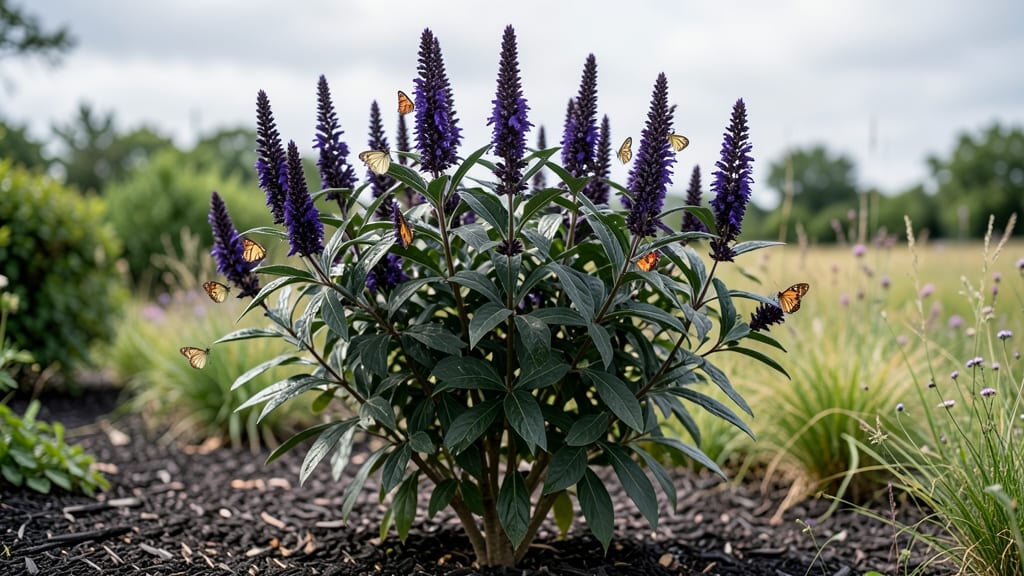
Mastering the butterfly bush Black Knight care means welcoming a fragrant, pollinator magnet that thrives where others fail. 🌿 This cold-hardy shrub—with its deep purple blooms and velvety foliage—stands out as the most reliable butterfly bush for zones 5 through 9, offering year-round interest even when other plants fade.
Start with well-draining soil and full sun (at least 6 hours daily), then water deeply once established—overwatering is the #1 killer. Prune back by one-third in early spring before new growth appears, and repeat lightly after flowering to maintain shape.
The secret to its longevity? Less is more—this bush handles neglect better than pampering.
📚 In This Guide
- What you need
- Instructions
- Tips and common mistakes
- Wrapping up and next steps
What you need
- ● Black Knight Butterfly Bush Plant: 1 healthy nursery-grown specimen (3–5 gallon container for mature plants, 1–3 gallon for younger ones).
- ● Well-draining soil: A mix of native soil, compost (20–30%), and perlite/sand (10–15%) for aeration.
- ● Organic mulch: 2–3 inches of shredded bark or wood chips to retain moisture and regulate temperature.
- ● Watering can or hose: With a gentle spray nozzle for hydration.
- ● Fertilizer: Slow-release granular fertilizer (10-10-10 or 12-12-12 NPK ratio) or organic options like composted manure.
- ● Pruning shears: Sharp, clean shears (bypass-style, 6–8 inches long) for shaping and maintenance.
- ● Gloves: Heavy-duty gardening gloves to protect hands during pruning.
- ● pH test kit: To ensure soil pH is between 6.0–7.0 (ideal for Black Knight).
- ○ Stakes or support: For young plants in windy areas (optional but helpful).
- ● Pest control: Neem oil or insecticidal soap (for aphids or spider mites).
- ● Winter protection: Burlap or frost cloth for young plants in harsh climates.
Step-by-Step instructions for cultivating butterfly bush 'Black Knight'
This cold-hardy variety thrives with minimal fuss—just follow these proven steps for lush, fragrant growth.
🌱 Step 1: Choose the Perfect Planting Site
'Black Knight' loves sun but tolerates partial shade, making it versatile for most gardens. Select a location with at least 6 hours of direct sunlight daily—more sun means darker foliage and more intense fragrance. Avoid low spots where cold air settles, as this variety handles winter better when roots stay slightly elevated.
Test the soil pH before planting—'Black Knight' prefers 6.0 to 7.0. If your soil runs acidic, mix in a handful of lime per square foot. The bush grows 6-10 feet wide and tall, so space it 10-15 feet from other plants or use dwarf varieties if space is tight. I always plant mine near seating areas so the fragrance wafts naturally.
🪴 Step 2: Plant at the Right Depth and Time
Spring is ideal, but you can plant 'Black Knight' in early fall too—just allow 6 weeks for roots to establish before winter. Dig a hole twice as wide as the root ball but no deeper. Amend the native soil with 3 inches of compost mixed into the bottom and sides of the hole.
Remove the plant from its container and loosen any circling roots gently with your fingers. Position it so the top of the root ball sits 1 inch above the surrounding soil level—this prevents rot. Backfill with native soil, firming lightly as you go. Water deeply to settle the soil and eliminate air pockets around the roots.
☀️ Step 3: Water and Fertilize for Strong Establishment
Keep the soil consistently moist for the first 2 months after planting—water when the top 2 inches feel dry. Overwatering is the biggest mistake here; soggy soil invites root rot. Once established, 'Black Knight' becomes drought-tolerant, but the first season is critical. I use a soaker hose to water slowly at the base, avoiding wetting the leaves.
Fertilize lightly in spring with a balanced 10-10-10 formula at half strength. Too much nitrogen leads to lush foliage but fewer flowers. For the best fragrance, reduce nitrogen after mid-summer and switch to a low-phosphorus, high-potassium blend to encourage blooming. Mulch with 2-3 inches of wood chips to retain moisture and regulate soil temperature.
✂️ Step 4: Prune for Health and Abundant Blooms
Prune 'Black Knight' in late winter or early spring before new growth begins. Remove 1/3 of the oldest stems at the base—this rejuvenates the plant and prevents woody centers. Cut back any dead, damaged, or crossing branches to improve airflow. The bush blooms on new wood, so don’t worry about cutting back old flowers.
After the first flush of blooms in early summer, give the plant a light trim to shape it. This encourages a second round of flowers later in the season. I always wear gloves when pruning—those stems have thorns! Deadhead spent blooms only if you want to extend the season, but 'Black Knight' is forgiving and often reblooms naturally without intervention.
🌿 Step 5: Overwinter for Cold-Hardy Success
'Black Knight' handles zones 4-9 with ease, but a little prep ensures it thrives year after year. In late fall, apply a 3-inch layer of mulch around the base to insulate roots. Avoid heavy pruning in fall—wait until spring to shape the plant. If you live in zone 4 or colder, wrap the base of young plants with burlap for extra protection.
Watch for winter dieback—it’s normal for stems to blacken and appear dead. New growth will emerge from the base in spring. Don’t prune until you see fresh green shoots, as early pruning can remove next year’s blooms. The fragrance intensifies in cooler weather, so even dormant stems contribute to your garden’s winter charm.
Tips & tricks for perfect butterfly bush 'Black Knight' growth
Between us, these little details make all the difference when growing 'Black Knight'—the cold-hardy butterfly bush that keeps your garden fragrant year-round.
Sunlight Strategy: While 'Black Knight' tolerates partial shade, the 6 hours of direct sunlight mentioned in Step 1 is non-negotiable for maximum fragrance and darkest foliage. I've noticed the most intense blooms come from plants getting morning sun and afternoon shade—this balance prevents leaf scorch while still delivering plenty of light for photosynthesis. If your garden has limited sun, consider a dwarf variety to maximize fragrance in smaller spaces.
Soil Science: The 6.0 to 7.0 pH range is crucial, but don't stress about getting it perfect right away. Start with your native soil, then adjust gradually. I've found that mixing in 3 inches of compost (as mentioned in Step 2) not only improves drainage but also helps buffer pH over time. For quick fixes, a handful of lime per square foot works wonders for acidic soils—just don't overdo it, as sudden pH shifts can stress the plant.
Winter Prep: That 3-inch layer of mulch in Step 5 isn't just for insulation—it's also a moisture regulator. I've learned the hard way that too much mulch can suffocate roots in spring. The key is to apply it after the ground freezes but before heavy snowfall. For zone 4 gardeners, the burlap wrapping around young plants is a game-changer—it's like giving your bush a cozy winter blanket without smothering it.
Pruning Precision: When you're removing 1/3 of the oldest stems in Step 4, aim for stems that are at least pencil-thick. These are the ones that have outlived their usefulness and are starting to become woody. I always make my cuts at a 45-degree angle just above a leaf node or outward-facing bud. This simple technique encourages better regrowth and keeps your bush looking fuller. And remember—those thorns are serious, so gloves are non-negotiable!
Pro Tips for Butterfly Bush Black Knight Care
- Between us, these little details make all the difference when growing 'Black Knight'—the cold-hardy butterfly bush that keeps your garden fragrant year-round.
- Sunlight Strategy: While 'Black Knight' tolerates partial shade, the 6 hours of direct sunlight mentioned in Step 1 is non-negotiable for maximum fragrance and darkest foliage.
- Soil Science: The 6.0 to 7.0 pH range is crucial, but don't stress about getting it perfect right away.
Frequently asked questions
How cold can 'Black Knight' butterfly bush tolerate?
'Black Knight' is one of the hardiest butterfly bushes, surviving USDA zones 5-9. With proper winter care—like mulching the base—it can handle temperatures down to -15°F (-26°C). Just avoid heavy pruning in late fall to protect new growth from frost damage.
When is the best time to prune 'Black Knight' butterfly bush?
Prune late winter or early spring (before new growth starts) to shape the bush and remove dead wood. Never prune in fall—this can stimulate tender growth that won’t survive winter. For maximum blooms, cut back 1/3 of the oldest stems annually.
What pests or diseases should I watch for with 'Black Knight'?
This variety is highly resistant to most pests, but keep an eye out for aphids, spider mites, or scale insects on new growth. Overwatering can lead to root rot, so ensure well-draining soil. If leaves yellow or wilt, check for fungal issues—remove affected foliage and improve airflow.
Can I grow 'Black Knight' in containers? How?
Yes! Use a large container (at least 15-gallon) with drainage holes and a fast-draining potting mix. Place it in full sun and water when the top 1-2 inches of soil are dry. In winter, move pots to a sheltered spot or wrap the container in burlap for extra protection.
Why aren’t my 'Black Knight' blooms as dark as they should be?
Sunlight intensity affects color vibrancy! Ensure your bush gets 6+ hours of direct sun daily. If blooms are paler, it may be due to over-fertilizing (too much nitrogen) or shady conditions. A balanced, low-nitrogen fertilizer in early spring can boost rich, deep hues.
Wrapping up and next steps
Caring for your Butterfly Bush "Black Knight" is a rewarding journey that brings beauty, fragrance, and life to your garden year-round! With its cold-hardy nature and stunning dark foliage, this shrub is a standout choice for gardeners who want low-maintenance elegance with high impact.
Whether you're pruning for shape, protecting it from pests, or simply enjoying its vibrant blooms, every step is an opportunity to nurture a thriving plant.
Now that you're equipped with the knowledge to keep your Black Knight flourishing, why not take the next step? Share your progress with fellow gardening enthusiasts, experiment with companion plants, or even propagate cuttings to expand your garden’s charm. 🌿✨ Your garden—and your Black Knight—will thank you!