
Pruning
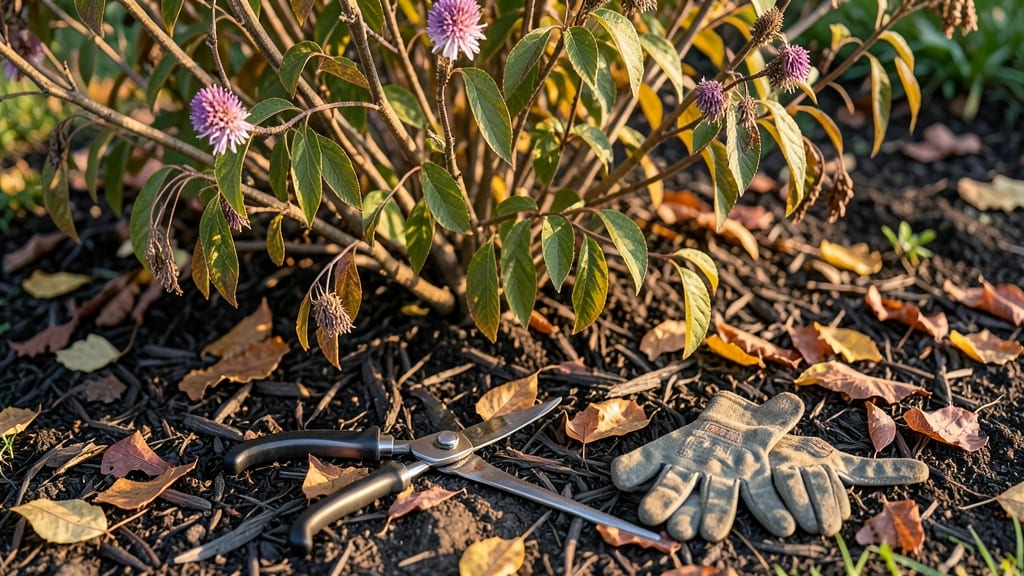
Proper butterfly bush care in the fall isn’t just about tidying up—it’s the secret to spring revival and a bush that thrives for years to come. ✂️ I learned the hard way that skipping this step leads to weak growth and fewer blooms, but once I mastered the timing and technique, my bushes exploded with color the following season.
The right time to prune is after the first hard frost but before winter sets in—typically late October to November in most zones. You'll cut back about one-third of the previous year's growth, removing dead, diseased, or weak stems while keeping the sturdy framework.
This isn't just about looks; it's about encouraging fresh, vigorous growth that will burst with blooms next summer.
After pruning, your bush will need less water and a thick layer of mulch to protect its roots from freezing temperatures. I cover mine with 3-4 inches of shredded bark, which also helps suppress weeds and retains moisture.
The result? A healthier plant that wakes up stronger in spring, ready to attract butterflies and hummingbirds from day one.
For gardeners in colder climates, choose cold-hardy varieties like 'Lo & Behold® Purple Smoke'—they handle winter better and bounce back faster. Even in mild winters, this fall routine ensures your butterfly bush stays productive, pest-free, and stunning year after year.
📚 In This Guide
- What you need
- Instructions
- Tips and common mistakes
- Wrapping up and next steps
What you need
- ● Pruning shears – Sharp, bypass-style shears (avoid dull tools that tear branches).
- ○ Garden gloves – Heavy-duty, cut-resistant gloves (optional but recommended for thorny varieties like Buddleia davidii).
- ● Disinfectant (70% isopropyl alcohol or bleach solution) – 1 part bleach to 9 parts water (to sterilize tools and prevent disease).
- ● Trash bags or compost bin – For removing pruned branches (check local composting rules—some butterfly bush varieties are invasive!).
- ○ Pruning saw (optional) – For thicker stems (½ inch or larger).
- ● Plant food or compost – Balanced 10-10-10 or slow-release fertilizer (apply after pruning for a nutrient boost).
- ● Mulch (straw, wood chips, or shredded leaves) – 2-3 inches thick (protects roots from winter chill).
- ● Marking twine or flags – To label pruned sections if you’re training the bush for shape.
- ● Safety goggles – If your bush is densely branched and debris-heavy.
Step-by-step instructions for pruning butterfly bush in fall
Fall is the perfect time to refresh your butterfly bush—here’s how to prune for stronger blooms next season.
✂️ Step 1: Time Your Cut Back for Optimal Healing
Wait until after your first hard frost, when the plant has entered dormancy but before winter freezes set in. This is usually late November or early December in most climates. You’ll know it’s time when the leaves have browned and fallen, but the stems still feel firm to the touch. Pruning too early can stimulate new growth that won’t survive winter.
Grab your bypass pruners and sanitize them with rubbing alcohol to prevent spreading disease. I like to start by removing any dead, diseased, or crossing branches first—they’re easy to spot as they’re often brown, shriveled, or growing inward. These cuts should be made at a 45-degree angle about ¼ inch above a leaf node or outward-facing bud to encourage healthy regrowth.
✂️ Step 2: Thin Out Overcrowded Growth for Better Airflow
Butterfly bushes thrive when they have good airflow, so your next step is to thin the plant’s interior. Look for branches that are rubbing against each other or growing straight up—these are candidates for removal. Aim to open up the center by 20-30%, which means cutting back roughly 1/3 of the oldest, thickest stems to the ground. This rejuvenates the plant and prevents fungal issues.
Here’s the thing—don’t be afraid to be bold. Older stems produce fewer blooms, so removing them now means more energy for new growth in spring. You’ll see a noticeable difference in next year’s flowers if you thin aggressively now. Just avoid cutting back more than 1/3 of the plant’s total stems—this keeps the root system strong enough to support regrowth.
🌿 Step 3: Shape for Next Season’s Blooms
Now it’s time to shape the bush for a fuller, more balanced look. Butterfly bushes bloom on new wood, so you can prune back all stems by 1/3 to 1/2 their height—this encourages dense, bushy growth. I like to step back every few cuts to visualize the plant’s natural shape. The goal is to create an open center with outward-facing branches.
Make your cuts just above a set of healthy buds or leaf nodes. Avoid leaving stubs—always cut at the node to prevent water from pooling and rotting the stem. If you’re unsure where to cut, imagine the plant as a rounded dome. Most butterfly bushes respond best to this classic rounded shape, which maximizes airflow and sunlight penetration.
🪴 Step 4: Clean Up and Protect for Winter
After pruning, rake up all the fallen leaves and debris around the base of the plant. This prevents pests and diseases from overwintering in the garden. I also like to add a 2-3 inch layer of mulch around the base, keeping it 6 inches away from the stem to avoid suffocating the plant. This mulch acts as insulation, protecting the roots from extreme cold.
If you’re in a particularly harsh climate, consider wrapping the base of the plant with burlap or frost cloth for added protection. This is especially helpful for young plants or those in their first winter. Water the base thoroughly before the ground freezes—this ensures the roots stay hydrated through dormancy. Avoid watering after the ground is frozen, as it can damage the roots.
Tips & tricks for perfect fall butterfly bush pruning
Here's what I've learned after years of working with butterfly bushes—these details make all the difference between a healthy plant and one that struggles to bounce back.
Timing is Everything: The window between late November and early December is critical for fall pruning. I always check for that first hard frost first—wait until leaves have browned and fallen completely, but before winter freezes set in permanently. This timing ensures the plant has entered full dormancy while still having energy reserves to heal. If you're unsure, press your finger against a stem—it should feel firm, not soft or pliable.
Tool Preparation Matters: Never skip sanitizing your bypass pruners with rubbing alcohol before you start. I've seen too many cases where old pruners spread fungal diseases between plants. Also, keep your tools sharp—dull blades crush stems instead of making clean cuts, which invites infection. A quick test: if your pruners struggle to cut through a pencil, they're too dull.
Visualizing the Shape: When shaping your butterfly bush in Step 3, I recommend stepping back every 5-6 cuts to visualize the plant's natural dome shape. Most gardeners stop too early and end up with a lopsided bush. Think of it like creating an open umbrella—branches should radiate outward from the center, never inward. This shape isn't just aesthetic; it maximizes sunlight exposure and airflow, both crucial for preventing fungal diseases.
Mulching Strategy: That 2-3 inch layer of mulch around your plant's base isn't just decoration—it's insulation. I've found that adding mulch after pruning helps maintain consistent soil temperatures through winter. For extra protection in harsh climates, consider adding a 4-6 inch layer of straw or leaves over the regular mulch, then covering with frost cloth. This creates a microclimate that protects tender roots from extreme temperature swings.
Pro Tips for Butterfly Bush Care Fall
- Here's what I've learned after years of working with butterfly bushes—these details make all the difference between a healthy plant and one that struggles to bounce back.
- Timing is Everything: The window between late November and early December is critical for fall pruning.
- Tool Preparation Matters: Never skip sanitizing your bypass pruners with rubbing alcohol before you start.
Frequently asked questions
Got questions about prepping your butterfly bush for fall?
Here are answers to the most common concerns—so you can prune with confidence and set your plant up for a stunning spring comeback!
When is the best time to prune butterfly bushes in fall?
Prune your butterfly bush after the first hard frost (typically late fall, around November in most regions) but before winter dormancy sets in. This timing removes spent blooms, prevents disease, and encourages healthier spring growth. Avoid pruning too early—you’ll risk stimulating new growth that won’t survive frost!
How much should I cut back butterfly bushes in fall?
For most butterfly bushes, aim to prune back 1/3 to 1/2 of the plant’s height. Cut just above a set of buds or leaf nodes (about 1/4 inch above) to encourage new growth. Over-pruning can stress the plant, while under-pruning may leave it vulnerable to pests or weak stems. Think of it as giving your bush a haircut—not a buzz cut!
My butterfly bush has brown, mushy stems—what’s wrong?
Brown, mushy stems are often a sign of canker disease or fungal issues, especially if you’ve had wet fall weather. Prune affected stems at least 6 inches below the damage, sterilize your tools with rubbing alcohol, and dispose of infected debris. Improve airflow by thinning dense growth and avoid overhead watering to prevent future outbreaks.
Can I prune butterfly bushes in late fall if I missed the window?
Yes, but wait until early spring (March–April) if you missed fall pruning. Late fall cuts risk exposing tender new growth to winter cold. If you must prune now, do it lightly—just remove dead or damaged branches—and cover the base with mulch for protection. Patience pays off for a stronger plant!
Are there alternatives to pruning butterfly bushes in fall?
While fall pruning is ideal, you can lightly trim dead blooms (deadheading) in late summer/early fall to tidy the plant without heavy cuts. However, skip full pruning—wait for spring to shape the bush properly. For container-grown butterfly bushes, you can prune anytime (even winter), but outdoor plants need the fall dormancy prep for best results.
Pro Tip:
Label your pruned branches with twine or tags if you’re unsure which cuts are which—this helps track growth patterns and avoids over-pruning next year!
Wrapping up and next steps
Caring for your butterfly bush in fall is all about setting the stage for a vibrant spring revival! 🌿 With the right pruning techniques—like removing dead blooms, thinning overgrowth, and protecting tender stems—you’ll encourage healthier growth and a stunning floral display next season. Don’t forget to mulch and fertilize lightly to give your bush a cozy, nutrient-rich winter break.
Now that you’re armed with these fall care tips, take a deep breath and enjoy the process!
Grab your pruners, step outside, and give your butterfly bush the love it deserves. Ready for next steps? Mark your calendar for early spring—it’s the perfect time to refresh your pruning routine and watch your bush thrive even more!