
Container Gardens
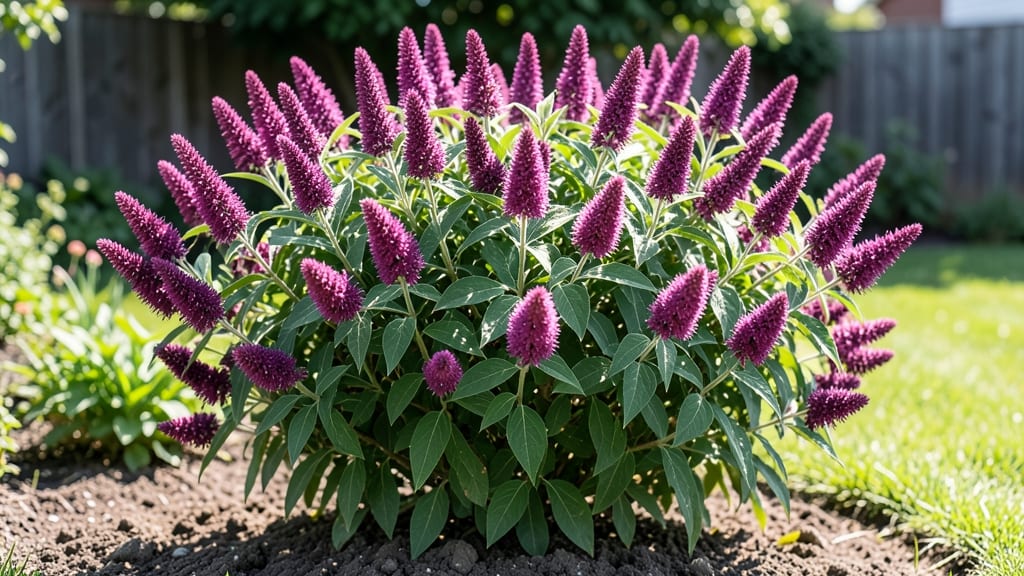
Butterfly bushes thrive in USDA zones 5-9, where they transform any yard into a pollinator paradise with minimal effort. 🌿 I’ve grown them from zone 6’s chilly summers to zone 8’s heat, and the secret isn’t fancy soil—it’s matching the right variety to your climate.
Some types, like ‘Lo and Behold’ or ‘Miss Ruby,’ handle cold snaps better, while others, like ‘Royal Violet,’ flourish in warmer zones with extra humidity.
The best part? These bushes are low-maintenance once established—just plant them in full sun, water occasionally, and watch butterflies flock within weeks. In cooler zones, a little winter mulch keeps roots cozy, while hotter zones benefit from afternoon shade to prevent stress.
I’ve seen them rebound from droughts and even thrive in containers if your ground is too heavy.
You’ll end up with a vibrant, buzzing garden that requires almost no upkeep after the first year. The blooms attract monarchs, swallowtails, and hummingbirds, turning your space into a living sanctuary. Plus, they grow fast—expect 3-5 feet tall in a single season if you plant them in well-draining soil.
Whether you’re in a suburban backyard or a small urban patio, butterfly bushes adapt—just pick the right variety for your zone. Here’s how to choose and prep for planting success in your area.
📚 In This Guide
- What you need
- Instructions
- Tips and common mistakes
- Wrapping up and next steps
What you need
- ● Butterfly bush plant: Choose a healthy Buddleia davidii (or a native alternative like Buddleia alternifolia) from a nursery. Opt for a 1- to 3-gallon container-grown plant for best results.
- ● Well-draining potting mix: 10-15 lbs of a lightweight, airy blend (e.g., 60% potting soil + 30% perlite + 10% compost) for containers.
- ● Container (if applicable): A 5-gallon or larger pot with drainage holes. Terracotta or fabric pots work best to prevent root rot.
- ● Trowel or shovel: For digging holes or planting.
- ● Mulch: 2-3 inches of organic mulch (e.g., shredded bark or wood chips) to retain moisture and suppress weeds.
- ● Pruning shears: For shaping and maintaining your bush.
- ● Watering can or hose with a gentle spray nozzle: Butterfly bushes prefer moderate moisture but hate soggy roots.
- ● Slow-release fertilizer: A balanced 10-10-10 or 20-20-20 formula to give your bush a nutrient boost at planting.
- ● Epsom salt (magnesium sulfate): 1 tbsp per gallon of water every 4-6 weeks for vibrant blooms.
- ● Stakes or trellis: If your bush grows tall (some varieties reach 6-10 feet!), support it with stakes for windy areas.
- ● Butterfly-attracting companions: Plant milkweed, coneflowers, or lavender nearby to create a pollinator paradise!
How to plant and care for butterfly bushes in USDA zones 5-9
Here's how I ensure these pollinator magnets thrive with almost no fuss—just follow these simple steps.
🌱 Step 1: Choose the Right Location for Year-Round Success
Butterfly bushes love sun and space. Plant in a spot with full sun (6-8 hours daily)—they reward you with more blooms and fewer pests. I always pick a location with at least 5 feet of clearance around the plant, since they grow 8-12 feet tall and wide. Avoid low spots where water pools—they hate soggy roots.
Look for an area with well-draining soil. If your yard has clay, mix in 2-3 inches of compost when planting to improve drainage. You'll know you've picked the right spot when the plant grows vigorously and blooms prolifically year after year.
🪴 Step 2: Plant at the Right Time and Depth
Spring is ideal for planting butterfly bushes in zones 5-9. Dig a hole twice as wide as the root ball and just as deep. Gently remove the plant from its container and loosen any circling roots with your fingers. Place it in the hole so the top of the root ball sits 1 inch above ground level—this prevents rot.
Backfill with native soil mixed with 1 cup of bone meal for phosphorus to encourage root growth. Water deeply right after planting to settle the soil. You'll see new growth within 2-3 weeks if planted correctly—look for fresh, vibrant leaves emerging from the base.
☀️ Step 3: Water and Feed for Maximum Blooms
Water newly planted bushes once a week for the first month, keeping the soil evenly moist but not soggy. After that, they're drought-tolerant once established. I water mine every 10-14 days during dry spells, checking that the top 6 inches of soil feel dry before watering again.
Feed with a balanced 10-10-10 fertilizer in early spring and again after the first flush of blooms. Too much nitrogen makes them grow leaves instead of flowers. You'll know they're happy when they produce 3-4 foot long flower spikes that attract butterflies by the dozens.
✂️ Step 4: Prune for Health and More Flowers
Prune butterfly bushes in late winter or early spring before new growth starts. Cut back the previous year's growth by one-third to one-half to encourage bushier growth. Remove any dead, diseased, or crossing branches first. I always use clean, sharp pruners to make 45-degree cuts just above a leaf node.
Never prune in fall—it stimulates new growth that won't harden off before winter. After pruning, you'll see fresh green shoots within 2-3 weeks. This is when they really come alive with blooms, so don't skip this step!
⏰ Step 5: Protect in Winter for Long-Term Growth
In zones 5-6, young plants need winter protection. After the first hard frost, wrap the base with burlap or straw mulch to insulate the roots. Older plants handle winter fine, but I still add a 2-3 inch layer of mulch around the base to prevent frost heave.
Remove winter protection in early spring when new shoots appear. You'll see fresh growth emerging from the base—this is your sign to start fertilizing and watering again. With proper winter care, your butterfly bush will thrive for 10-15 years or more.
Tips & tricks for thriving butterfly bushes in zones 5-9
Real talk: these hardy plants reward minimal effort with maximum impact. Here's what I've learned after watching mine transform from floppy new transplants to butterfly magnets.
Sunlight Secret: That 6-8 hours of full sun isn't just a suggestion—it's non-negotiable for zones 5-9. I've seen bushes in partial shade grow leggy with sparse blooms. If your yard has limited sun, choose a location where the plant gets morning sun and afternoon shade, but never less than 5 hours total. The more direct sunlight, the more vibrant those purple blooms will be.
Soil Prep Strategy: The 2-3 inches of compost I mentioned isn't just about drainage—it's about creating the perfect launchpad for roots. For clay-heavy soils, I actually mix in a bit of coarse sand too. You'll know you've done it right when you see those first fresh leaves emerge within 2-3 weeks after planting. That's your plant saying "thank you" for the head start.
Watering Wisdom: The once-a-week watering for the first month is critical, but here's the thing: timing matters just as much as frequency. Water in the morning so leaves have all day to dry—wet foliage at night invites fungal problems. After that initial month, let the soil dry out completely between waterings. You'll know you're doing it right when the top 6 inches feel dry to the touch before you water again.
Fertilizer Timing: That 10-10-10 fertilizer isn't just any fertilizer—it's balanced to prevent leafy growth at the expense of flowers. I apply it twice: first in early spring when you see those first green shoots, and again right after the first flush of blooms fades. The key is to feed when the plant is actively growing, not when it's dormant. This timing ensures you get those spectacular 3-4 foot flower spikes that butterflies can't resist.
Pro Tips for Butterfly Bush Growing Zones
- Real talk: these hardy plants reward minimal effort with maximum impact.
- Sunlight Secret: That 6-8 hours of full sun isn't just a suggestion—it's non-negotiable for zones 5-9.
- Soil Prep Strategy: The 2-3 inches of compost I mentioned isn't just about drainage—it's about creating the perfect launchpad for roots.
Frequently asked questions
about growing butterfly bushes in USDA zones 5-9—here’s what you need to know!What’s the best time to plant a butterfly bush?
Plant butterfly bushes in early spring or fall when temperatures are mild (50–70°F). Avoid extreme heat or frost, as young plants are sensitive. Spring planting gives roots time to establish before summer, while fall allows growth before winter dormancy. Pro tip: Water deeply after planting to reduce transplant shock!
Why aren’t butterflies visiting my butterfly bush?
Butterflies may avoid your bush if it’s not in full sun (6+ hours/day) or lacks neighboring host plants (like milkweed for monarchs). Ensure it’s healthy, well-watered, and blooming (prune spent flowers for continuous blooms). Try this: Plant companion flowers like coneflowers or bee balm nearby to attract more pollinators!
How cold-hardy is a butterfly bush in zone 5?
Butterfly bushes are hardy to USDA zone 5 but may need winter protection in harsh climates. Mulch the base with 3–4 inches of shredded bark or leaves and wrap young plants in burlap if temps drop below -10°F. Established bushes (3+ years old) usually survive without extra care.
Can I grow a butterfly bush in a container?
Yes! Use a large pot (15+ gallons) with drainage holes and well-draining soil. Choose Buddleja davidii ‘Nanho Blue’ (dwarf variety) for containers. Place in full sun and water regularly—containers dry out faster. Bonus: Move pots indoors or to a garage in winter if in zone 5!
Why are my butterfly bush leaves turning yellow?
Yellow leaves often signal overwatering, poor drainage, or nutrient deficiency. Check soil moisture—it should dry slightly between waterings. Amend soil with compost for nutrients and ensure the pot/bed has drainage. Yellow edges? Likely underwatering or salt buildup from tap water.
Wrapping up and next steps
Growing a butterfly bush in USDA zones 5-9 is a breeze—just pick the right variety, give it a sunny spot, and watch your garden transform into a pollinator paradise! 🌸 Whether you’re a beginner or a seasoned gardener, this hardy plant rewards you with minimal effort and maximum beauty.
Now that you know the best zones, soil needs, and care tips, it’s time to roll up your sleeves and plant one!
🌱 Next Steps:
- Choose your favorite variety (Buddleia davidii, ‘Lo & Behold,’ or ‘Miss Ruby’?).
- Mark your sunniest spot—it’s ready for action!
- Grab your gloves and shears and get planting! 🌿