
Landscaping
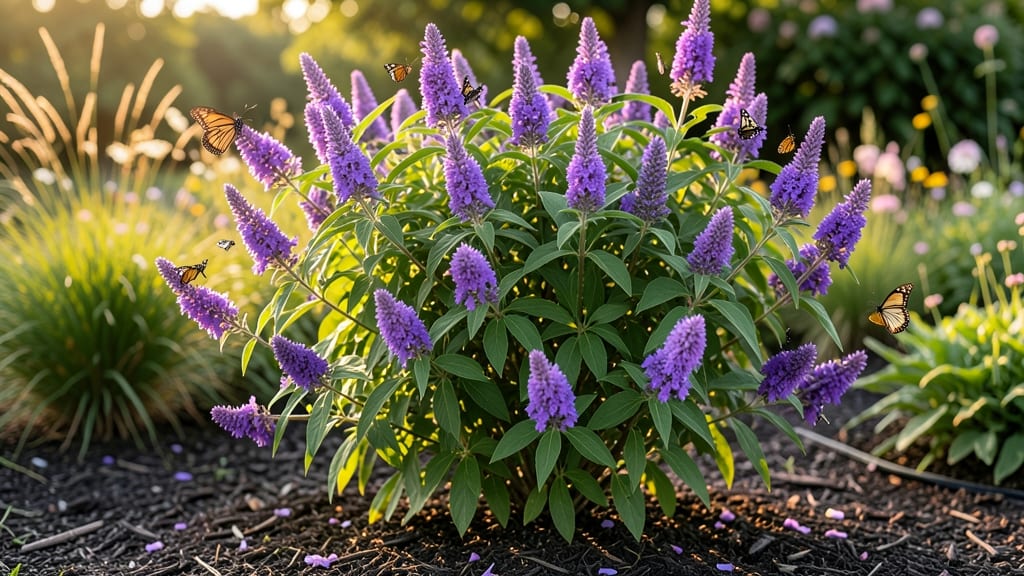
Your landscape just got a pollinator powerhouse with butterfly bush—purple plumes that dance with butterflies from June to frost. 🌿 I planted mine near the patio last spring, and now it’s the busiest spot in the yard, buzzing with wings and hummingbirds all afternoon.
The secret to making it look intentional (not wild) is pairing it with structured perennials like coneflowers and ornamental grasses. Place it where you’ll see it from the house—those 6-foot spikes of color demand attention, but they’re low-maintenance once established.
You’ll end up with a year-round show: fragrant summer blooms, golden fall foliage, and even winter interest from the seed heads. The butterflies aren’t just for show—they’ll pollinate your veggies too, turning your garden into a thriving ecosystem.
Works in full sun or partial shade, urban backyards, or country estates. Here’s how to make it the star of your design without sacrificing structure.
📚 In This Guide
- What you need
- Instructions
- Tips and common mistakes
- Wrapping up and next steps
What you need
- ● Butterfly bush plants: Choose 1–3 healthy Buddleia varieties (e.g., 'Lo & Behold® Purple Haze' or 'Black Knight'). Select container-grown (1–3 gallon pots) or bare-root plants from a reputable nursery.
- ● Well-draining soil: 5–10 cubic yards of a mix of garden soil, compost (20–30%), and perlite or sand (10–20%) for loose, aerated beds.
- ● Organic fertilizer: 10–20 lbs of a balanced, slow-release fertilizer (e.g., 10-10-10 or 12-12-12) or a pollinator-friendly option like fish emulsion.
- ● Mulch: 2–3 cubic feet of wood chips or shredded bark to retain moisture and suppress weeds.
- ● Garden shovel or spade (for digging holes 2–3 times wider than the root ball).
- ● Garden trowel (for delicate root adjustments).
- ● Wheelbarrow (to transport soil, mulch, or plants).
- ● Gloves (heavy-duty for digging, lightweight for handling plants).
- ● Watering can or hose with adjustable nozzle (gentle watering is key!).
- ● Pruning shears (for shaping and post-planting trims).
- ● Measuring tape (to ensure proper spacing—aim for 3–6 feet apart).
- ● Sunlight: A spot with full sun (6+ hours/day)—butterfly bushes thrive in warmth! 🔥
- ● Drainage test: Dig a hole, fill it with water, and check if it drains within 30 minutes. Poor drainage? Amend with sand or gravel.
- ○ Optional: Stakes or plant supports (if your bush grows tall or leggy).
- ● Pollinator-friendly companion plants (e.g., coneflowers, milkweed, or salvia).
- ● Drip irrigation system (for automated watering in dry climates).
- ● Pest control (neem oil or insecticidal soap for early signs of aphids or spider mites).
How to plant and maintain a thriving butterfly bush landscape
Here's how to create a buzzing, colorful pollinator garden that keeps blooming all season.
🌱 Step 1: Select and Prepare the Planting Site
Choose a location with full sun exposure (6-8 hours daily) and well-draining soil. Butterfly bushes tolerate a range of soil types but perform best in slightly acidic to neutral soil with a pH between 6.0 and 7.0. If your soil is heavy clay, amend it with 2-3 inches of compost mixed into the top 12 inches of soil.
Dig a hole twice as wide as the root ball but no deeper. This encourages roots to spread horizontally rather than settling into a compacted hole. Gently loosen the roots if they're circling the root ball—this prevents girdling as the plant matures. Water the hole thoroughly before planting to help settle the soil around the roots.
🪴 Step 2: Plant and Establish Young Bushes
Position the butterfly bush so the top of the root ball sits level with the surrounding soil—burying too deep can suffocate the plant, while planting too high leaves roots exposed. Backfill the hole with native soil, pressing gently to remove air pockets. Water immediately after planting to help soil settle and eliminate gaps.
For multiple bushes, space them 4-6 feet apart to allow for mature growth and airflow. This spacing also prevents overcrowding, which can lead to fungal diseases. Mulch around the base with 2-3 inches of organic mulch, keeping it 3 inches away from the trunk to prevent rot.
☀️ Step 3: Provide Season-Long Care for Continuous Blooms
Water newly planted bushes deeply once a week during the first growing season to encourage deep root growth. Once established, butterfly bushes are drought-tolerant but will produce more blooms with consistent moisture. You'll know they're thirsty when the leaves begin to wilt or the soil feels dry 2-3 inches below the surface.
Fertilize in early spring with a balanced, slow-release fertilizer (10-10-10) to support vigorous growth. Avoid high-nitrogen fertilizers, which promote leafy growth at the expense of flowers. Prune back 1/3 of the previous year's growth in late winter or early spring before new growth begins. This encourages bushier growth and more abundant blooms.
✂️ Step 4: Prune and Maintain for Pollinator Success
Deadhead spent blooms regularly to encourage continuous flowering. Cut back to the nearest set of leaves or bud, which stimulates new growth and more flowers. In late summer, prune again to remove any leggy or overgrown branches, focusing on maintaining an open, airy shape that allows pollinators easy access to the flowers.
Watch for signs of stress like yellowing leaves or sparse blooms, which can indicate overcrowding, poor drainage, or nutrient deficiencies. Butterfly bushes are generally low-maintenance, but regular pruning keeps them healthy and productive. If pests like aphids or spider mites appear, treat with a strong spray of water or an insecticidal soap to protect both the plant and pollinators.
🌿 Step 5: Enhance the Pollinator Garden Ecosystem
Complement your butterfly bush with native pollinator-friendly plants like coneflowers, black-eyed Susans, and milkweed to create a diverse habitat. Plant in layers, with taller plants at the back and shorter ones in front, to provide visual interest and shelter for pollinators. Avoid using pesticides, as they can harm beneficial insects and reduce the effectiveness of your pollinator garden.
Leave some areas of bare soil or add a small water feature like a shallow dish with pebbles to provide drinking spots for butterflies and bees. You'll see the garden come alive as butterflies, bees, and hummingbirds visit throughout the growing season. Monitor the health of your bushes and adjust care as needed to keep them thriving year after year.
Tips & tricks for perfect butterfly bush landscaping
These pro strategies will help you create a thriving pollinator garden that attracts butterflies all season long.
Sunlight Strategy: The 6-8 hours of daily sun required in Step 1 is non-negotiable for vibrant blooms. I've seen butterfly bushes struggle in partial shade—morning sun with afternoon shade works, but full sun all day produces the most flowers. If your location only gets 4-5 hours of sun, consider planting near a reflective surface like a light-colored wall or patio to maximize sunlight exposure.
Soil Science: When amending heavy clay soil in Step 1, I recommend mixing in 2-3 inches of compost with sand or perlite to improve drainage. This creates the ideal slightly acidic to neutral soil environment (pH 6.0-7.0) that butterfly bushes thrive in. Test your soil first—many garden centers offer affordable pH test kits that make this easy.
Planting Precision: In Step 2, positioning the root ball level with the soil is crucial—burying too deep suffocates the plant while planting too high leaves roots exposed. I mark the top of the root ball with a pencil before planting to ensure perfect placement. Also, watering immediately after planting helps settle the soil and eliminate air pockets that can strangle new roots.
Pruning Payoff: The late winter/early spring pruning in Step 3 (removing 1/3 of last year's growth) might seem drastic, but it's what creates those lush, bushy plants with abundant blooms. I prune just above a leaf bud or branch junction using clean, sharp pruners. This technique also prevents the plant from becoming too leggy, which can block sunlight and reduce flowering.
Pro Tips for Butterfly Bush In Landscape
- These pro strategies will help you create a thriving pollinator garden that attracts butterflies all season long.
- Sunlight Strategy: The 6-8 hours of daily sun required in Step 1 is non-negotiable for vibrant blooms.
- Soil Science: When amending heavy clay soil in Step 1, I recommend mixing in 2-3 inches of compost with sand or perlite to improve drainage.
Frequently asked questions
Got questions about adding a butterfly bush to your landscape? You’re not alone! Here are answers to the most common queries to help you plan with confidence.
What’s the best time of year to plant a butterfly bush?
The ideal window is early spring (after the last frost) or early fall (6–8 weeks before winter). Planting then gives roots time to establish before extreme heat or cold. Avoid transplanting in summer—your bush will thank you with vibrant blooms next season!
How much sun does a butterfly bush need?
These pollinator magnets thrive in full sun (6+ hours daily), but they tolerate partial shade (4–6 hours). In hot climates, light shade in the afternoon can prevent stress. Just know: fewer sun hours = fewer blooms. Place it where it can soak up rays for maximum butterfly traffic!
Are butterfly bushes invasive? Should I avoid them?
Some varieties (like Buddleia davidii) can spread aggressively in mild climates. Opt for sterile cultivars (e.g., ‘Lo & Behold®’ or ‘Miss Ruby’) that don’t self-seed. Check your state’s invasive species list—local nurseries can guide you to safe picks for your region.
Why aren’t my butterfly bushes blooming?
Common culprits:
- Over-fertilizing: Too much nitrogen = leafy growth, no flowers. Use a low-nitrogen, high-phosphorus fertilizer in early spring.
- Pruning at the wrong time: Cut back in late winter/early spring (before new growth). Avoid summer pruning—it removes next year’s blooms!
- Poor sunlight: Move it to a sunnier spot if blooms are sparse.
What are some low-maintenance alternatives to butterfly bushes?
If you want butterfly-friendly, easy-care plants, try:
- Butterfly weed (Asclepias tuberosa): Drought-tolerant, attracts monarchs, and thrives in poor soil.
- Coneflower (Echinacea): Perennial, long-blooming, and deer-resistant.
- Russian sage (Perovskia atriplicifolia): Drought-loving and pollinator-approved.
- Milkweed (Asclepias spp.): Essential for monarchs; some varieties are non-invasive.
Wrapping up and next steps
Incorporating a butterfly bush in your landscape isn’t just about adding beauty—it’s a simple yet powerful way to create a thriving ecosystem that supports pollinators while keeping your garden vibrant year-round. 🌸 With the right variety, placement, and care, you’ll enjoy months of color, fewer pests, and a buzzing, lively garden that feels alive with activity.
Ready to transform your outdoor space? Start by choosing a healthy plant, prepping the soil, and giving it the love it deserves—your garden (and the butterflies!) will thank you.
Next step: Mark your calendar for spring planting or pruning time, and take that first step toward a pollinator-friendly paradise! 🌿