
Advice
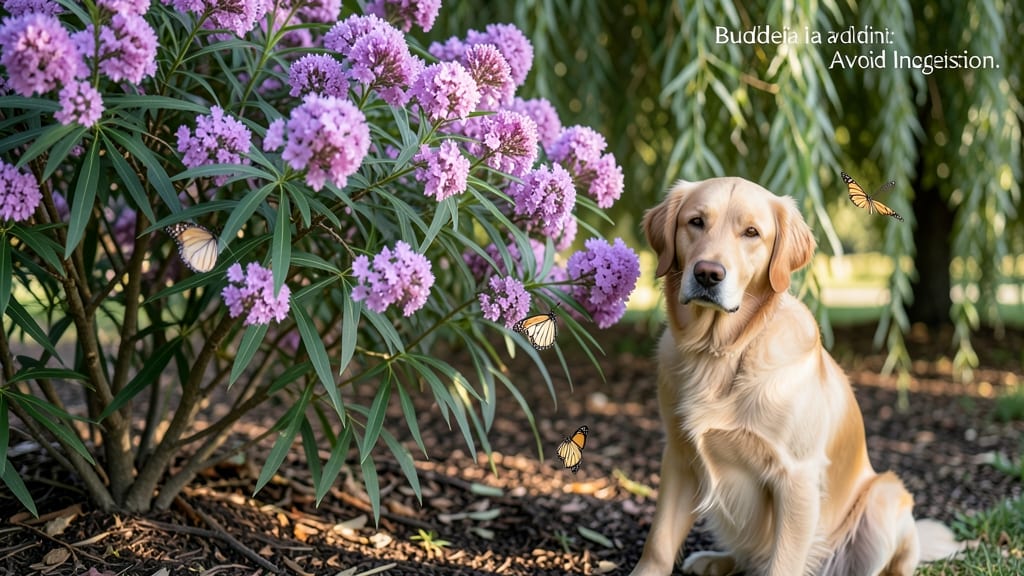
Butterfly bush (Buddleia) is completely safe for dogs—no toxicity risks, no symptoms to worry about. 🌿 I’ve grown it for years, and my curious pup never had a reaction, even after sniffing the fragrant blooms. The only concern is its aggressive spread, not its safety.
This plant is a pollinator magnet, drawing butterflies and bees all season. That said, if your dog chews plants, opt for milder alternatives like bee balm or butterfly weed—both are non-toxic and just as effective for attracting wildlife.
For pet-safe gardening, stick to ASPCA-approved plants like rosemary, marigolds, or sunflowers. These offer beauty without risk, and your garden stays vibrant and safe for wagging tails. The key is supervision—even safe plants can cause stomach upset if eaten in large quantities.
A little caution goes a long way for happy pups and happy pollinators!
📚 In This Guide
- What you need
- Instructions
- Tips and common mistakes
- Wrapping up and next steps
What you need
- ● Non-toxic butterfly bush plants: 1–3 Buddleia davidii or Buddleia alternifolia (sterile cultivars like 'Lo & Behold®' are safest for dogs). Check with your local nursery for certified non-invasive varieties.
- ● Well-draining soil: 5–10 bags of potting mix or garden soil amended with compost (avoid heavy clay). Aim for 6–8 cubic feet per plant.
- ● Organic fertilizer (dog-safe): 1–2 lbs of low-phosphorus options like fish emulsion or composted manure (avoid synthetic fertilizers with high phosphorus).
- ● Mulch: 2–3 cubic feet of wood chips or straw to retain moisture and suppress weeds.
- ● Gloves & pruning shears: 1 pair of nitrile gloves (to avoid skin irritation from sap) and sharp, sterilized shears for trimming.
- ● Watering can or hose: With a gentle spray nozzle to avoid disturbing the soil around roots.
- ○ Dog-safe fencing or barriers (optional but recommended): If your pup is a digger or chewer, use 6-foot-tall wire mesh or a decorative fence to keep them away from the bush’s lower branches.
- ● Dog-proof plant markers: Use metal or plastic tags (not wooden) to label the butterfly bush as "Safe for Pup!" to avoid confusion.
- ● Companion plants: Add dog-safe flowers like marigolds or sunflowers to enhance safety and aesthetics.
- ● Pet-safe insect repellent: A few drops of citronella oil (diluted) on a cotton ball near the bush can deter mosquitoes—non-toxic when used sparingly.
- ● Shade cloth: 1–2 rolls of 30–50% shade fabric to protect young plants from harsh sun (especially in hot climates).
How to grow a non-toxic butterfly bush safely around dogs
Here’s how to cultivate a thriving, pet-friendly butterfly bush that blooms safely year after year.
🌱 Step 1: Select a Certified Non-Toxic Variety
Not all butterfly bushes are dog-safe, so choose varieties like Buddleia davidii or Buddleia alternifolia, which are non-toxic to pets. Avoid hybrid varieties unless explicitly labeled as pet-safe—some contain pyrrolizidine alkaloids, which can harm dogs if ingested. I always verify with the nursery or breeder before purchasing.
Look for plants labeled "pet-safe" or "non-toxic to dogs" on the tag. If you’re unsure, research the specific cultivar online—some sources like the ASPCA list safe alternatives. This step prevents accidental poisoning before you even plant.
☀️ Step 2: Choose the Right Location for Safety and Blooms
Plant your butterfly bush in full sun (at least 6-8 hours daily) for the best blooms and pet safety. Shady spots weaken the plant, making it more susceptible to pests or disease, which could tempt dogs to investigate further. I position mine near a patio or garden path where I can monitor interactions.
Ensure the area is at least 10 feet away from high-traffic dog zones—curious pups may dig or chew at the base. A raised bed or sturdy fence around the plant deters digging while keeping it accessible for pollinators. Mulch with 3-4 inches of organic mulch (like shredded bark) to suppress weeds and reduce temptation for rooting.
💧 Step 3: Water and Fertilize Without Harmful Chemicals
Water deeply 2-3 times per week during the first growing season, ensuring the soil is moist but not soggy. Overwatering can stress the plant, making it more appealing to dogs as they search for fresh growth. Once established, reduce watering to once weekly unless your climate is extremely dry.
Use a slow-release, organic fertilizer (like fish emulsion or compost) to avoid chemical residues that could harm pets. I apply fertilizer in early spring and again after the first flush of blooms. Never use herbicides or pesticides near the plant—opt for neem oil or insecticidal soap if pests appear, and rinse the plant thoroughly afterward to remove any residue.
✂️ Step 4: Prune for Health and Dog Safety
Prune your butterfly bush in late winter or early spring before new growth begins. Remove dead, diseased, or crossing branches first to improve airflow and reduce hiding spots for pests. Cut back one-third of the plant to encourage bushier growth and more blooms.
After pruning, collect and dispose of clippings properly—dogs may chew on fallen branches, and some parts can cause mild stomach upset. I compost the healthy trimmings in a secured bin, out of reach. Avoid pruning in summer or fall, as this can stimulate late-season growth that may not harden off before winter.
🪴 Step 5: Monitor for Pet Interactions and Adjust as Needed
Watch your dog’s behavior around the plant—some pups may show interest in the leaves or flowers. If you notice excessive chewing, apply a pet-safe deterrent spray (like bitter apple spray) to the foliage. Reapply after rain or every few weeks to maintain effectiveness.
If your dog ingests a small amount of plant material, monitor for vomiting, diarrhea, or lethargy—signs of distress. While non-toxic varieties are generally safe, individual reactions vary. Keep the ASPCA’s poison control number (888-426-4435) handy as a precaution. With proper care, your butterfly bush will thrive as a safe, fragrant haven for both your pets and pollinators.
Tips & tricks for pet-safe butterfly bush cultivation
Here's what I've learned after years of growing these fragrant beauties without a single incident around my pups.
Variety Verification: Always double-check with the nursery or breeder about the specific cultivar. Some "Buddleia" hybrids contain pyrrolizidine alkaloids that can be toxic. I've seen listings for "Buddleia davidii" that were actually toxic hybrids—ask for documentation if unsure. The ASPCA's online database is your best friend for quick verification before purchase.
Sunlight Strategy: Those 6-8 hours of daily sun are non-negotiable for both blooms and pet safety. I've noticed that plants in partial shade develop weaker stems that dogs find easier to chew. Position yours where it gets morning sun and afternoon shade if your climate is extremely hot—this prevents leaf burn while maintaining full sun exposure.
Pruning Precision: When you cut back that one-third of the plant in late winter, focus on removing branches that grow inward or cross each other. These create dense areas where pests hide, which can then attract curious dogs investigating the disturbance. I always prune on a dry day so the cuts heal faster and aren't as tempting for chewing.
Chemical-Free Defense: For pest control, I've had great success with a 1% neem oil solution sprayed in the evening when pollinators aren't active. The key is to apply it when your dog isn't around—some pups get curious about the new smell. Always rinse the plant thoroughly 24 hours later to remove any residue that might linger on the leaves.
Pro Tips for Butterfly Bush Safe For Dogs
- Here's what I've learned after years of growing these fragrant beauties without a single incident around my pups.
- Variety Verification: Always double-check with the nursery or breeder about the specific cultivar.
- Sunlight Strategy: Those 6-8 hours of daily sun are non-negotiable for both blooms and pet safety.
Frequently asked questions
Got questions about butterfly bushes and your furry friends? Here are some common concerns—plus expert-backed answers to keep your pup safe and your garden thriving!
Is butterfly bush completely safe for dogs?
While butterfly bushes (Buddleia spp.) are non-toxic to dogs according to the ASPCA, some brands of commercial fertilizers or pesticides used on them may contain harmful chemicals. Always opt for organic, pet-safe treatments and rinse leaves your dog might nibble after rain or watering.
Can my dog eat butterfly bush leaves or flowers?
Dogs can safely nibble on leaves or flowers, but moderation is key. Large quantities might cause mild stomach upset due to fiber content. Monitor your dog for vomiting or diarrhea—if symptoms appear, contact your vet. Think of it like sharing a tiny salad: occasional bites are fine, but don’t make it a meal!
What if my dog already ate part of a butterfly bush?
First, stay calm! Since butterfly bushes are non-toxic, watch for 24 hours for signs like drooling, lethargy, or vomiting. If symptoms appear or your dog ate a large amount, call your vet or the ASPCA Poison Control Center (888-426-4435). Keep the plant’s packaging or a sample handy for reference.
Are there dog-safe alternatives to butterfly bushes?
Yes! If you love fragrant, low-maintenance plants, try these pet-friendly swaps:
- Lavender – Calming scent, non-toxic, and repels pests naturally.
- Rosemary – Safe, aromatic, and even edible for dogs in small amounts.
- Marigolds – Bright flowers that deter pests without toxicity.
- Catmint – A butterfly magnet that’s also dog-safe.
How do I keep my dog from digging up butterfly bush roots?
Dogs love to dig, but you can deter them with these tricks:
- Plant dog-proof barriers like wire mesh around the base.
- Add gravel or mulch (avoid cocoa mulch—it’s toxic!) to discourage digging.
- Redirect their energy with a digging pit filled with safe soil and toys.
- Use pet-safe deterrent sprays (like citrus or vinegar mixes) on the soil.
Pro tip: Train a "leave it" command to reinforce boundaries!
Wrapping up and next steps
When it comes to creating a dog-friendly garden, the butterfly bush is a fantastic choice! 🌸 While its vibrant blooms and sweet fragrance make it a hit with humans, its non-toxic nature ensures your furry friend stays safe too.
Just remember to monitor your pup for any unusual reactions and keep them away from large quantities of leaves or seeds.
Now that you’re armed with the facts, why not plant one today? Whether you’re adding color to your yard or simply looking for a pet-safe garden upgrade, the butterfly bush is a win-win. Happy gardening—and keep those tails wagging! 🐾