
Pests
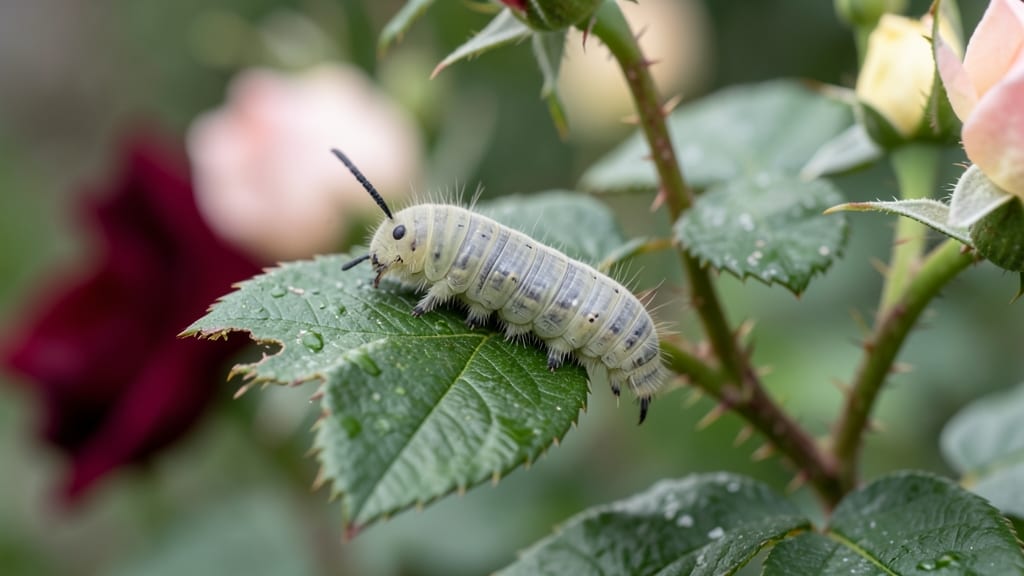
Caterpillars that eat rose bush leaves can turn lush bushes into skeleton branches overnight. ✂️ I’ve seen rose slug sawflies, gypsy moth caterpillars, and other leaf-munchers strip entire plants in days—and I’ve learned which organic fixes actually work. The worst offenders are rose sawfly larvae, which chew leaves into lace-like patterns, and gypsy moth caterpillars, which defoliate entire bushes. These pests thrive when roses are stressed, so healthy plants are your first line of defense. Neem oil and Bacillus thuringiensis (Bt) are my go-to organic sprays, but timing matters—apply them before caterpillars hatch in spring. You’ll see results within 3–5 days of treatment, with new growth appearing as the pests retreat. The key is consistency: prune damaged leaves, introduce ladybugs or parasitic wasps, and plant garlic or chives nearby to deter egg-laying. This approach works for all rose varieties, from hybrid teas to climbers. Let’s get those leaves back where they belong!
Natural attractions for leaf munchers
When your prized rose bush leaves start disappearing, it’s often because caterpillars have found your garden irresistible—and for good reason. These tiny leaf-eaters are drawn to roses for nutritional, environmental, and survival-based reasons.
Understanding why they target your plants is the first step in outsmarting them naturally. Let’s break down the science behind their leafy feast.
Caterpillars, like all insects, need protein, fiber, and essential vitamins to grow. Rose leaves are a perfect match because they’re packed with:
- High nitrogen content: Roses thrive in nitrogen-rich soil, which translates to tender, protein-heavy leaves—ideal for caterpillar larvae. Think of it like a steak for an insect.
- Soft, palatable texture: Unlike tougher plants, rose leaves are easy to chew, making them a low-effort meal. Caterpillars prefer plants that require minimal energy to digest.
- Secondary plant compounds: While some compounds in roses act as natural deterrents, others—like certain sugars and amino acids—actually attract caterpillars. It’s a delicate balance!
Actionable insight: If your roses are extra lush (thanks to recent fertilization), they’ll be even more appealing. Adjust your feeding schedule to avoid over-fertilizing during peak caterpillar seasons (spring and summer).
Caterpillars don’t just appear out of nowhere—they thrive when their natural enemies (like birds, parasitic wasps, and beneficial insects) are scarce. Here’s why your garden might be a caterpillar’s safe haven:
- Pesticide use disrupts ecosystems: Even organic sprays can kill off ladybugs, lacewings, and predatory beetles that feast on caterpillar eggs or larvae. Without these helpers, caterpillars multiply unchecked.
- Monoculture gardens: Planting only roses (or a few types of plants) removes the diversity that attracts predator species. A varied garden is like a buffet of balance.
- Urban or suburban isolation: If your garden is surrounded by lawns or pavement, migratory birds and insects may avoid the area, leaving caterpillars to dine freely.
Actionable insight: Create a predator-friendly zone by adding plants like dill, fennel, or marigolds, which attract beneficial insects. Avoid broad-spectrum sprays and opt for targeted organic solutions (like Bt bacteria) that spare predators.
Caterpillars aren’t random—they follow a precise life cycle tied to rose growth patterns. Here’s how timing plays a role:
| Season | Why Caterpillars Strike | Rose Vulnerability |
|---|---|---|
| Spring | Adult moths (like the rose slug or swallowtail) emerge first, laying eggs on fresh, tender new growth. | Roses are bursting with energy after winter, making leaves extra nutritious. |
| Summer | Larvae hatch and devour leaves rapidly to fuel rapid growth before pupating. | Hot weather softens leaves, making them easier to digest. |
| Fall | Late-season caterpillars seek stored energy in leaves to survive winter as pupae. | Roses may be less lush, but caterpillars still target young shoots. |
Actionable insight: Monitor your roses weekly during these peak seasons. Look under leaves (🔍) for tiny eggs or shed skins—early detection means less damage. Prune heavily damaged leaves in the morning when caterpillars are least active.
Caterpillars are weather-dependent. If your garden provides the perfect microclimate—warm, humid, and sheltered—they’ll stick around longer. Key factors include:
- Sheltered spots: Caterpillars avoid open, windy areas. Dense foliage or fences create ideal hiding spots.
- Moisture levels: Roses with consistent watering (but not soggy soil) produce juicier leaves, which caterpillars prefer.
- Temperature: Most rose-munching caterpillars thrive in 60–85°F (15–30°C). If your garden stays in this range year-round, they’ll linger.
Actionable insight: Improve air circulation around roses by pruning overgrown branches and avoiding mulch piles that trap humidity. If possible, place a small fan near infested bushes to deter caterpillars (they dislike gentle airflow).
💡 Pro Tip: Caterpillars often target stressed roses first. If your plants are underwatered, overwatered, or nutrient-deficient, they’ll produce weaker leaves—but also more attractive ones to hungry larvae. Keep roses consistently healthy to reduce their appeal!
Practical ways to stop leaf munchers
When your rose bushes become a buffet for hungry caterpillars, it’s time to act—but not with harsh chemicals. 🌿🐛 The good news? There are plenty of effective, organic solutions to reclaim your garden without harming pollinators or the environment.
Below, we’ll match the most common causes of caterpillar infestations to targeted fixes, plus prevention tips to keep your roses thriving long-term.
If you spot caterpillars in action, the simplest solution is to remove them manually. This works best for small infestations or when you catch them early.
- 👨🍳 When to do it: Early morning or late evening when caterpillars are sluggish (they’re less likely to drop and scatter).
- 🔪 How to do it:
- Wear gloves to avoid irritation from rose hairs or caterpillar spines (like those from sawfly larvae).
- Drop caterpillars into soapy water (1 tbsp dish soap per gallon of water) to kill them instantly.
- For large bushes, use a shop vacuum with a fine mesh bag—this traps caterpillars and eggs without chemicals.
- ⏰ Frequency: Repeat every 2–3 days until no more caterpillars are visible. Check the undersides of leaves and new growth, where eggs are often laid.
Pro Tip: 💡 If you’re squeamish about touching caterpillars, try a damp cloth or sponge to scoop them up—it’s less messy and just as effective!
For larger infestations or hard-to-reach areas, sprays made from household or garden ingredients can deter caterpillars without toxins. These disrupt feeding habits or suffocate pests.
🌿 Homemade Spray Recipes
| Spray Type | Ingredients | How to Use |
|---|---|---|
| Neem Oil | 1 tbsp neem oil + 1 tsp mild soap + 1 quart water | Spray directly on caterpillars and leaves. Reapply every 5–7 days. Works on tent caterpillars, rose slugs, and sawfly larvae. |
| Garlic & Chili Pepper | 1 garlic bulb (blended) + 1 tbsp cayenne pepper + 1 quart water. Strain and add 1 tsp soap. | Spray evenly on leaves. The strong scent repels caterpillars. Reapply after rain. |
| Soap Spray | 1 tbsp castile soap (or mild dish soap) + 1 quart water | Spray directly on caterpillars—it breaks down their waxy coating, causing dehydration. Best for small larvae. |
Pro Tip: 🌡️ For neem oil to work best, apply it when temperatures are above 50°F (10°C). Avoid spraying in direct sunlight to prevent leaf burn.
Nature’s pest control is often the most sustainable solution. By attracting caterpillar predators, you can reduce infestations without lifting a finger.
- 🕷️ Ladybugs: Release them in the evening (they’re active hunters). Plant dill, fennel, or marigolds nearby to attract them.
- 🐛 Parasitic Wasps: These tiny wasps lay eggs inside caterpillars, killing them from within. Plant a patch of wildflowers to support their habitat.
- 🦋 Lacewings: Their larvae devour caterpillars voraciously. Buy them online or create a lacewing-friendly garden with yarrow or cosmos.
- 🐸 Birds: Install a birdhouse or feeder to attract robins, bluebirds, or chickadees, which love munching on caterpillars.
Pro Tip: ✨ Avoid pesticides entirely if you want to protect these natural allies—even "organic" sprays can harm them!
Sometimes, the best defense is stopping caterpillars from reaching your roses in the first place. Try these low-effort strategies:
- 🧶 Floating Row Covers: Lightweight fabric draped over young rose bushes blocks caterpillars while allowing sunlight and water through. Remove when flowers bloom to let pollinators in.
- 🍃 Collars for New Growth: Wrap the base of stems with cardboard collars to prevent sawfly larvae from burrowing into stems.
- 🌿 Interplant with Repellent Herbs: Caterpillars dislike rosemary, lavender, or mint. Plant these around your rose bushes as a natural deterrent.
- 🍂 Clean Up Debris: Remove fallen leaves, mulch, and plant waste where caterpillars hide and lay eggs. Fall cleanup is critical—many pests overwinter in garden detritus.
If your roses are severely defoliated or caterpillars keep returning despite your efforts, it may be time for a targeted organic pesticide. Look for:
- 🌱 Bt (Bacillus thuringiensis): A bacterial spray that’s safe for humans and pets but deadly to caterpillars. It works best on young larvae.
- 🐝 Spinosad: Derived from soil bacteria, it’s effective but use it sparingly—it can harm bees if overapplied.
Warning: ⚠️ Always follow label instructions and apply in the evening to protect pollinators. Avoid spraying when flowers are open.
With these strategies, you can restore your rose bushes and keep them caterpillar-free—naturally. The key is consistency: combine manual removal with preventive measures for the best results. Happy gardening! 🌹✨
Frequently asked questions
Why do caterpillars prefer rose bushes over other plants?
Roses are like an all-you-can-eat buffet for caterpillars! Their leaves contain high nitrogen (thanks to fertilizer) and soft textures that are easy to digest. Plus, roses often lack the tough defenses found in other plants. The combination makes them irresistible to pests like rose slug sawflies and gypsy moth caterpillars.
How can I tell if caterpillars are the real problem?
Look for chewed leaves with jagged edges or skeletonized foliage—classic caterpillar work. Check the undersides of leaves for tiny eggs or shed skins. If you see lace-like patterns or black droppings on leaves, caterpillars are definitely the culprits.
Will neem oil really work on caterpillars?
Yes! Neem oil disrupts caterpillars' feeding and growth hormones. For best results, mix 1 tablespoon neem oil + 1 teaspoon mild soap + 1 quart water and spray directly on pests and leaves. Reapply every 5-7 days until the infestation clears. Apply in the evening to protect bees.
Can I use dish soap to kill caterpillars?
A soapy water solution (1 tablespoon dish soap per gallon of water) works by breaking down caterpillars' protective waxy coating. Spray it directly on the pests—they'll dehydrate within hours. This method is safe for roses but should be used sparingly to avoid harming beneficial insects.
How do I prevent caterpillars from coming back next year?
Start with fall cleanup—remove all debris where caterpillars hide. Plant companion plants like garlic, chives, or lavender around your roses to deter pests. Introduce natural predators (ladybugs, lacewings) by planting dill or fennel. Prune regularly to improve airflow and reduce hiding spots.