
Shrubs
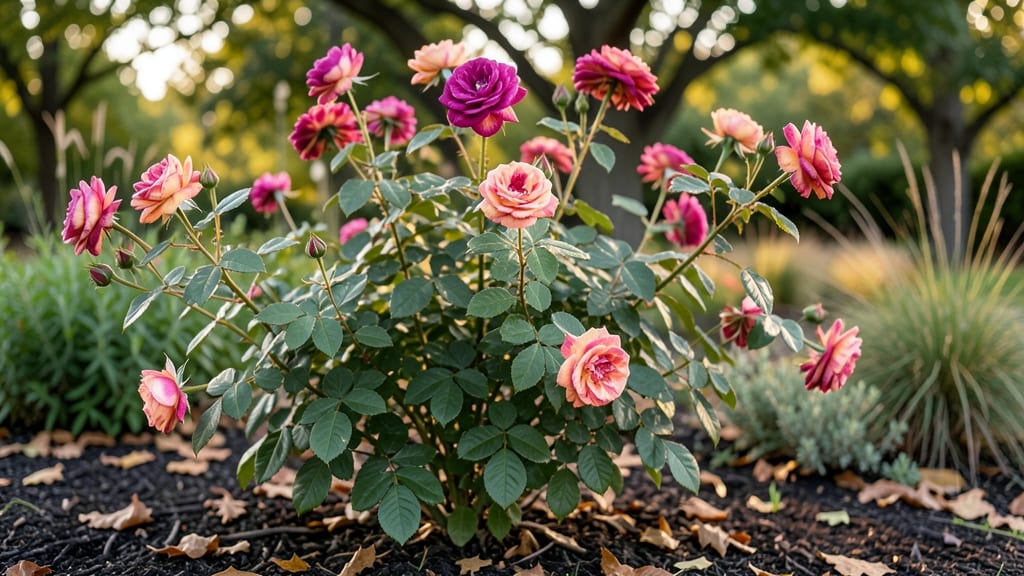
Celebration roses aren't just bushes—they're the centerpiece of every garden story I've ever planted. 🌹 Their velvety petals and intoxicating scent turn ordinary spaces into romantic backdrops, whether it's a wedding arch or a quiet anniversary corner.
The secret lies in how you arrange them: cluster deep pink blooms with creamy white roses for a timeless bridal look, or mix with lavender for a rustic charm that lasts all season.
These roses thrive when given room to breathe—plant them in groups of three or five for dramatic impact, spacing bushes 3-4 feet apart to allow sunlight to reach every bloom.
Pair them with ornamental grasses for movement, or add climbing roses nearby to create vertical layers that frame your celebration space beautifully. The fragrance alone makes them worth the effort, but the visual drama? That's what transforms a garden into a memory.
Seasonal interest is key: in spring, the new growth is lush and vibrant; summer brings nonstop blooms; and even in winter, the sturdy canes add structure to bare landscapes. For extra romance, train a few vines over a trellis to create a fragrant tunnel—perfect for wedding processions or anniversary strolls.
The best part? Their care is simple once you understand their needs, and the payoff is a garden that feels like a living love letter.
Whether you're planning a wedding, celebrating an anniversary, or simply want a garden that feels like a celebration every day, these roses deliver. The trick is treating them like the stars they are: give them the right companions, the proper spacing, and a little extra attention to their blooming cycles.
That's all it takes to turn your yard into the most romantic spot in town.
📚 In This Guide
- What you need
- Instructions
- Tips and common mistakes
- Wrapping up and next steps
What you need
- ● Celebration Rose Bushes: 1–3 plants (depending on desired coverage; spacing 3–4 ft apart for optimal airflow).
- ● Well-draining soil: Mix of garden soil, compost (50%), and perlite/vermiculite (20%) for aeration.
- ● Organic fertilizer: Balanced 10-10-10 or rose-specific formula (e.g., Espoma Rose-Tone).
- ● Mulch: 2–3 inches of shredded bark or pine needles to retain moisture and regulate temperature.
- ● Watering can or hose: With a gentle spray nozzle (avoid overhead watering to prevent fungal diseases).
- ● Pruning shears: Sharp, sterilized shears (disinfect with rubbing alcohol between cuts).
- ● Support stakes or trellis: 4–6 ft tall (for climbing varieties like ‘Double Delight’).
- ● Gloves: Heavy-duty gardening gloves to protect from thorns.
- ● Soil pH test kit: To ensure pH 6.0–6.5 (ideal for roses).
- ● Fungicide (copper-based): For prevention of black spot or powdery mildew.
- ● Rose collars or protective wraps: For winterizing (if in colder climates).
- ● Decorative accents: Garden flags, pebbles, or solar lights to enhance the celebratory vibe!
Instructions for growing celebration rose bushes
Here’s how to cultivate these fragrant beauties—step by step—for blooms that last all season long.
🌱 Step 1: Choose the Right Location and Prepare the Soil
Celebration roses thrive in full sun—at least 6-8 hours daily—and well-draining soil. I always pick a spot with morning sun and afternoon shade if summers run hot. Before planting, loosen the soil to a depth of 12-18 inches to encourage deep root growth. Amend heavy clay with 2-3 inches of compost or aged manure to improve drainage.
Real talk: If your soil is sandy, mix in 1 part peat moss to retain moisture. Test the pH—Celebration roses prefer 6.0-6.5. If your soil runs acidic, sprinkle lime lightly and work it in before planting. The goal is fluffy, fertile soil that holds moisture but never stays soggy.
🪴 Step 2: Plant at the Correct Depth and Spacing
Dig a hole twice as wide as the root ball but no deeper. Gently remove the rose from its container and loosen any circling roots with your fingers. Place the bush in the hole so the graft union (the swollen bump near the base) sits 2-3 inches above soil level. This prevents root rot and ensures strong regrowth if pruned.
Space bushes 3-4 feet apart for airflow, which is critical to prevent fungal diseases like black spot. Backfill with soil, tamping lightly to eliminate air pockets. Water deeply to settle the roots, then add 2-3 inches of mulch around the base, keeping it 6 inches away from the stem to avoid rot. I like to use wood chips—they break down slowly and improve soil over time.
☀️ Step 3: Water Deeply and Establish a Routine
Celebration roses need 1-1.5 inches of water weekly, but more during bloom time. Water deeply 2-3 times per week rather than shallow daily doses. You’ll know you’re doing it right when the soil feels dry 2-3 inches down—stick your finger in to check. Overwatering is the fastest way to kill these plants, so never let them sit in puddles.
Here’s the thing—Celebration roses are drought-tolerant once established, but young bushes need consistent moisture. If you see wilting leaves, water immediately and check for pests like aphids hiding under the petals. A strong spray of water usually knocks them off, but if they return, treat with neem oil for a natural solution.
✂️ Step 4: Prune for Health and Abundant Blooms
Prune in early spring before new growth starts. Remove dead, diseased, or crossing branches first, then cut back remaining stems by one-third to encourage bushier growth. Always make cuts at a 45-degree angle just above an outward-facing bud. This ensures new growth heads outward for better airflow and more blooms.
Don’t skip deadheading—pinch off spent blooms regularly to redirect energy into new flowers. I also prune lightly after each flush of blooms to maintain shape and prevent leggy growth. Celebration roses bloom repeatedly, so consistent pruning keeps them looking lush and fragrant all season.
🌿 Step 5: Fertilize and Protect for Year-Round Beauty
Feed roses every 4-6 weeks during growing season with a balanced rose fertilizer (10-10-10 or similar). I like to mix in compost tea monthly for extra nutrients and beneficial microbes. In late fall, switch to a low-nitrogen, high-phosphorus fertilizer to strengthen roots for winter. Stop fertilizing 6-8 weeks before first frost to avoid tender new growth.
Watch for Japanese beetles and rose slugs—they love Celebration roses. Handpick beetles in the morning when they’re sluggish, or use row covers to protect blooms. A light spray of insecticidal soap works well for slugs. With consistent care, your bushes will reward you with fragrant blooms from spring through fall—and maybe even a few winter surprises if your climate is mild.
Tips & tricks for perfect celebration rose bushes
These simple strategies will help you avoid common pitfalls and get the most out of your fragrant roses.
Sunlight Strategy: The 6-8 hours of daily sunlight mentioned in Step 1 is non-negotiable, but here's the thing about afternoon shade—it's not just about heat protection. In hot climates, afternoon sun can scorch leaves, so if you're planting in a location with intense summer heat, consider using a light shade cloth (30-50%) during peak afternoon hours. This mimics the natural morning sun/afternoon shade pattern while still allowing plenty of light for photosynthesis.
Soil Preparation Secret: When amending heavy clay soil with 2-3 inches of compost or aged manure in Step 1, don't just sprinkle it on top. Work it into the loosened soil to a depth of 12-18 inches. I like to use a broadfork to loosen the soil first—it's like giving your rose's roots a spa treatment. For sandy soils, mix in that 1 part peat moss thoroughly, but be careful not to create pockets where water might pool.
Watering Wisdom: The 2-3 times weekly deep watering routine in Step 3 is perfect, but timing matters too. Water in the morning so the foliage has time to dry before evening. This simple habit prevents fungal diseases from taking hold. I also recommend using a rain gauge or measuring cup to track your 1-1.5 inches of water weekly—it's amazing how much less we actually give our plants compared to what they need!
Pruning Precision: When you're making those 45-degree cuts just above outward-facing buds in Step 4, think of it as creating a tiny roof over each bud. This prevents water from sitting on the cut and causing rot. And here's a pro move: sterilize your pruning shears between cuts with rubbing alcohol. It takes 10 seconds but prevents spreading diseases between branches.
Pro Tips for Celebration Rose Bushes
- These simple strategies will help you avoid common pitfalls and get the most out of your fragrant roses.
- Sunlight Strategy: The 6-8 hours of daily sunlight mentioned in Step 1 is non-negotiable, but here's the thing about afternoon shade—it's not just about heat protection.
- Soil Preparation Secret: When amending heavy clay soil with 2-3 inches of compost or aged manure in Step 1, don't just sprinkle it on top.
Frequently asked questions
Got questions about keeping your celebration rose bushes thriving and fragrant year-round? Here are some common ones—and their answers!
When is the best time to plant celebration roses?
Plant them in early spring or fall when temperatures are mild (50–70°F). Avoid extreme heat or frost, as roots need time to establish. For container-grown bushes, plant anytime—just water deeply afterward! Pro tip: Amend soil with compost to boost nutrient uptake.
How often should I prune celebration roses for continuous blooms?
Prune lightly after each major bloom cycle (spring, summer, fall) to encourage new growth. Deadhead spent blooms weekly to redirect energy. For dramatic shapes, do a hard prune in late winter—cut back ⅓ of the oldest stems. Warning: Avoid pruning in fall if your climate is cold!
Why aren’t my celebration roses blooming as much as expected?
Common culprits:
- Over-fertilizing with high nitrogen (promotes leaves, not flowers). Use a balanced 10-10-10 or rose-specific fertilizer instead.
- Poor drainage causes root rot. Ensure soil drains well and mulch to retain moisture.
- Insufficient sunlight. These roses need 6+ hours of direct sun daily.
Can I grow celebration roses in containers?
Choose a large pot (18"+ diameter) with drainage holes and use well-draining potting mix. Dwarf varieties like 'Knock Out' or 'Playboy' work best. Key tip: Move containers to a sunny spot in winter if temps drop below 20°F.
How do I protect celebration roses from pests and diseases?
Prevent issues with:
- Neem oil spray (weekly during outbreaks).
- Copper fungicide for black spot or powdery mildew.
- Prune for airflow to reduce humidity-related diseases.
Wrapping up and next steps
Transforming your outdoor space into a fragrant paradise with celebration rose bushes is a rewarding journey—one that blends beauty, scent, and seasonal joy. 🌹 By selecting the right varieties and tailoring care to their unique needs, you’ll enjoy blooms and fragrance that last year-round.
Whether you’re a seasoned gardener or just starting, every pruning, feeding, and deadheading effort brings you closer to a lush, aromatic retreat.
Now that you’re armed with the knowledge, take the first step—visit your local nursery, order cuttings, or sketch a plan for your rose garden. Your future self (and your nose!) will thank you. Happy gardening! 🌿✨