
Pruning
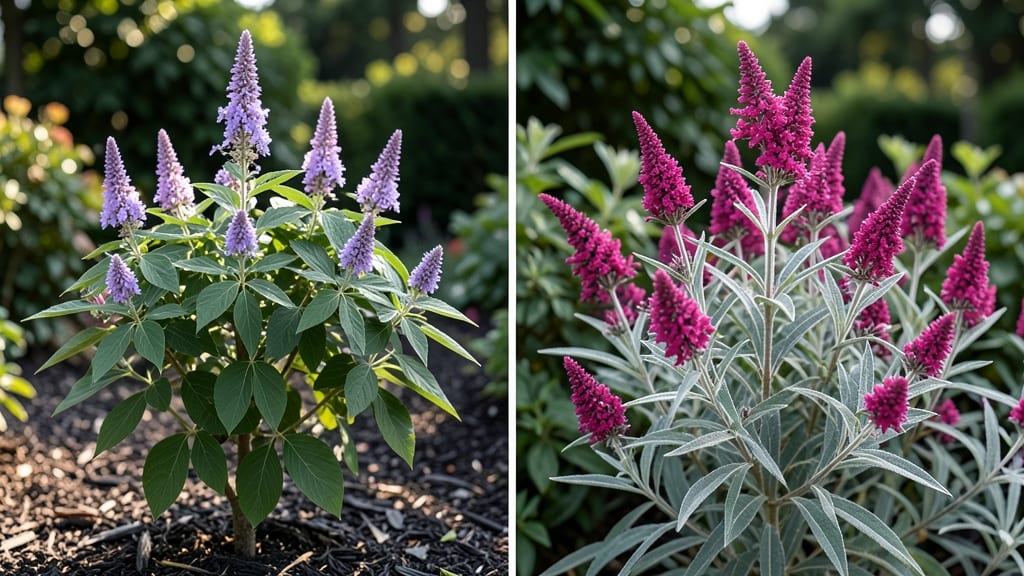
Deciding between chaste tree and butterfly bush means choosing between silent elegance and buzzing energy—both bring pollinators and seasonal drama to your garden. 🌿 I’ve grown both, and while butterfly bush steals the show with its fluffy purple blooms, chaste tree wins for quiet sophistication and year-round interest.
Butterfly bush (Buddleia) is the flashy star: its fragrant spikes attract swarms of butterflies in late summer, but it can spread aggressively and die back to bare stems in winter.
Chaste tree (Vitex), on the other hand, offers three-season interest—lush foliage, lavender blooms in summer, and golden seed heads in fall—without the invasive tendencies. For pollinator gardens, butterfly bush is the clear winner, but if you prefer low-maintenance structure with subtle fragrance, chaste tree delivers.
Pair butterfly bush with milkweed for a butterfly highway, or tuck chaste tree into borders for a textured, layered look that thrives in heat and drought. The right choice depends on your garden’s personality: bold and bustling or refined and enduring.
Let’s break down the trade-offs so you can pick the perfect fit!
The first product explained
Meet the Vitex agnus-castus—better known as the Chaste Tree! This hardy, fragrant shrub is a garden superstar 🌿✨, offering a mix of beauty, resilience, and a delightful aroma that’ll make your outdoor space feel like a five-star retreat. Whether you're a seasoned gardener or a beginner eager to elevate your yard, the Chaste Tree is a must-have for year-round interest.
📏 Key Specifications
| Type: | Deciduous shrub |
| Mature Height: | 6–10 feet (varies by variety) |
| Mature Width: | 6–10 feet |
| Sunlight Needs: | Full sun (6+ hours daily) |
| Soil Type: | Well-draining, adaptable to clay or sandy soils |
| Hardiness Zones: | 5–9 (USDA) |
| Bloom Time: | Summer to early fall (June–September) |
| Fragrance: | Sweet, herbal, and slightly spicy (lovely for pollinators!) |
| Maintenance Level: | Low to moderate (pruning helps shape and encourage blooms) |
🌸 Top Features
- Fragrant Flowers: Clusters of purple, pink, or white blooms that attract bees, butterflies, and hummingbirds—nature’s own perfume!
- Drought-Tolerant: Once established, it thrives with minimal watering, making it perfect for xeriscaping.
- Versatile Landscape Use: Works as a hedge, specimen plant, or backdrop for borders. Pro tip: 💡 Plant near patios or seating areas to enjoy the scent up close!
- Long Lifespan: With proper care, this shrub can live for decades, offering decades of beauty and fragrance.
- Deer-Resistant: Fewer pests mean less hassle for you—just more time to enjoy your garden.
🎯 Who’s It For?
The Chaste Tree is a fantastic choice for:
- Pollinator Lovers: Its flowers are a magnet for butterflies and bees, helping boost local ecosystems.
- Low-Maintenance Gardeners: It’s tough, adaptable, and forgiving—ideal for busy folks who still want a stunning garden.
- Fragrance Enthusiasts: The intoxicating scent is perfect for creating a sensory garden experience.
- Privacy Seekers: When planted in a row, it grows into a lush, fragrant hedge.
- Beginner Gardeners: Easy to grow and care for, with minimal fuss.
💰 Price Point
Prices vary based on size and retailer, but here’s a general range:
- 1-Gallon Container: $25–$40
- 3-Gallon Container: $40–$70
- 5-Gallon Container (Mature Plant): $70–$120
Pro tip: 🎯 Check local nurseries or online retailers like Fast-Growing-Trees.com or Proven Winners for the best deals and healthy plants!
The second product explained
Looking for a fragrant, low-maintenance shrub that blooms from summer to fall and attracts pollinators like a magnet? Meet the Butterfly Bush (Buddleja davidii)—the dynamic duo to the Chaste Tree’s elegance! 🦋✨ This fast-growing, hardy plant is a garden favorite for its vibrant colors, intoxicating scent, and effortless charm.
🌿 Key Specs & Features
The Butterfly Bush is a deciduous shrub that thrives in USDA Hardiness Zones 5-9, making it versatile for most climates. Here’s what sets it apart:
- Height & Spread: Typically grows 6–10 feet tall and 5–8 feet wide, though dwarf varieties (like 'Lo & Behold®') stay compact (3–4 feet).
- Bloom Time: Summer to early fall (July–October), with some varieties reblooming lightly in spring.
- Fragrance: Sweet, honey-like scent (especially strong in the evening), though not as potent as Chaste Tree’s vanilla-citrus aroma.
- Color Palette: Purple, pink, white, yellow, or bicolor blooms that butterflies, bees, and hummingbirds adore.
- Growth Rate: Fast-growing—expect 2–3 feet per year under ideal conditions.
- Light Needs: Full sun (6+ hours daily) for best blooms; tolerates partial shade.
- Soil Preference: Adaptable but prefers well-draining, average to slightly alkaline soil.
🎯 Target Users
The Butterfly Bush is perfect for:
- Pollinator gardens: Its nectar-rich flowers are a butterfly and bee buffet.
- Low-maintenance gardeners: Drought-tolerant once established and minimal pruning required.
- Urban landscapes: Compact varieties work well in small yards or containers.
- Wildlife enthusiasts: Attracts hummingbirds and beneficial insects.
- Seasonal color lovers: Adds vibrant pops of color when other plants fade.
💰 Price Point & Value
Pricing varies by size and variety, but here’s a general range:
| Type | Price Range (USD) | Notes |
|---|---|---|
| 1-gallon container | $15–$30 | Great for small gardens or containers. |
| 3–5 gallon container | $30–$60 | Established plants for quicker landscape impact. |
| Dwarf varieties (e.g., 'Lo & Behold®') | $25–$50 | Ideal for tight spaces; prune less frequently. |
| Bare-root plants (spring sale) | $10–$25 | Budget-friendly for large plantings. |
Pro Tip: 💡 Buy from local nurseries for healthier, region-adapted plants. Check for organic or native varieties to support biodiversity!
Head-to-head comparison
Ready to dive into the fragrance and foliage showdown between the Chaste Tree (Vitex agnus-castus) and the Butterfly Bush (Buddleia)? Let’s break down their key differences in a side-by-side comparison so you can decide which one will steal the spotlight in your garden! 🌿✨
🌸 Fragrance & Aroma
The first battle is often won—or lost—by scent, and these two plants bring very different vibes to your garden.
- Chaste Tree: 🌿💡 Delivers a subtle, sweet, and slightly spicy fragrance, especially when blooms are crushed or brushed. Think of it as a whisper of lavender with a hint of citrus—perfect for a serene, aromatic garden corner.
- Butterfly Bush: 🦋🌸 Offers a stronger, more pungent floral scent that can be polarizing. Some gardeners love its heady, almost honey-like aroma, while others find it overpowering. Pro tip: 💡 Plant it near seating areas or pathways where the fragrance can be enjoyed up close without overwhelming the whole yard.
Winner? If you crave a delicate, understated perfume, the Chaste Tree takes the crown. For those who love bold, intoxicating blooms, the Butterfly Bush delivers.
🌿 Bloom Appearance & Season
Visual appeal is everything in landscaping, and these two plants couldn’t be more different in their floral flair.
| Feature | Chaste Tree | Butterfly Bush |
|---|---|---|
| Flower Color | Soft lavender, pink, or white spikes (💜🌸) | Vibrant purple, pink, white, or yellow clusters (🔴💜💛) |
| Bloom Season | Mid-to-late summer (🌞⏳), with occasional fall reblooms if deadheaded | Late spring to early fall (🌸🌿), with some varieties blooming nearly year-round in warm climates |
| Foliage | Green, aromatic leaves that turn golden in fall (🍂🍃) | Oval-shaped, silvery-green leaves that provide a lush backdrop (🌿✨) |
| Height & Spread | 6–10 ft tall, 4–8 ft wide (📏🌳) | 5–15 ft tall, 5–10 ft wide (depends on variety) (🌿📏) |
Winner? The Butterfly Bush wins for longer bloom seasons and bolder colors, while the Chaste Tree offers a softer, more elegant look with seasonal interest.
🐛 Pollinator & Wildlife Appeal
Both plants are superstars for attracting pollinators, but their strategies differ.
- Chaste Tree: 🐝🦋 A magnet for bees, butterflies, and hummingbirds, especially during its summer bloom. Its nectar-rich flowers provide a steady food source for late-season pollinators.
- Butterfly Bush: 🦋🌼 The ultimate butterfly attractor—its name isn’t just for show! Swarms of butterflies (like monarchs and swallowtails) flock to its flowers. ✨ Pro tip: Plant it near a butterfly garden for maximum impact.
Winner? For butterfly enthusiasts, the Butterfly Bush is a no-brainer. The Chaste Tree is still a top-tier pollinator plant, just with a slightly broader appeal to bees and birds.
🌱 Growth Habit & Maintenance
How much time and effort you’re willing to invest matters—let’s talk growth speed, pruning needs, and upkeep.
| Feature | Chaste Tree | Butterfly Bush |
|---|---|---|
| Growth Rate | Moderate (🐢🌱)—slower but steady | Fast (🚀🌿)—can grow 2–3 ft per year! |
| Pruning Needs | Light pruning in late winter or early spring to shape and encourage blooms. ✨ Pro tip: Cut back old wood to stimulate new growth. | Requires regular pruning—cut back 1/3 of the plant in early spring to promote bushier growth and more flowers. Some varieties need annual hard pruning. |
| Deadheading | Optional (🌸🔪)—can extend bloom season slightly | Recommended (🌼⏰)—removes spent blooms to encourage continuous flowering |
| Invasiveness | Low risk (🌿🛡️)—stays contained with proper pruning | Moderate risk (⚠️🌱)—some varieties can spread aggressively in ideal conditions |
Winner? The Chaste Tree is the low-maintenance champion, while the Butterfly Bush demands more attention for peak performance.
💰 Cost & Availability
Budget-friendly or splurge-worthy? Let’s talk dollars and where to find these plants.
- Chaste Tree: 💲🌿 Typically $25–$50 per plant (smaller sizes) or $50–$100+ for mature specimens. Often found at nurseries, garden centers, or online retailers like Proven Winners or Fast-Growing-Trees.com.
- Butterfly Bush: 💵🦋 Usually $15–$40 for standard varieties, with dwarf or specialty cultivars (like ‘Lo & Behold’) costing $40–$80. Widely available at big-box stores, local nurseries, and online.
Winner? The Butterfly Bush is generally more affordable, especially for budget-conscious gardeners. However, premium Chaste Tree varieties (like ‘Amethyst Showers’) can get pricey.
🌡
Which one should you choose?
So, which fragrant powerhouse deserves a spot in your garden—Vitex agnus-castus (Chaste Tree) or Buddleia davidii (Butterfly Bush)? The answer depends on your priorities, space, and what you love most about gardening. Let’s break it down to help you decide!
🌿 Pick the Chaste Tree if...
- 🌸 You crave year-round interest. The Chaste Tree delivers fragrance, foliage, and structure from spring to frost, with purple blooms in summer and aromatic leaves all season.
- 🐝 You’re a pollinator purist. While it attracts bees and butterflies, it’s less aggressive than Butterfly Bush in luring every insect in a 5-mile radius (yes, really!).
- 🌱 You want a low-maintenance, long-lived shrub. Once established, it’s drought-tolerant, deer-resistant, and thrives in heat—perfect for sunny spots.
- 🍃 You love culinary or medicinal uses. Chaste Tree has herbal applications (traditionally used for hormonal balance) and edible leaves.
🦋 Pick the Butterfly Bush if...
- 🦋 You’re obsessed with butterflies. This is the ultimate magnet for monarchs, swallowtails, and other pollinators—your garden will become a flapping, colorful spectacle!
- 🌆 You have limited space or need fast growth. Butterfly Bush grows quickly and can be pruned into a smaller shape, making it great for containers or small yards.
- 🎨 You want bold, vibrant colors. With purple, pink, white, or yellow blooms, it’s a showstopper from early to late summer.
- 🔥 You’re okay with aggressive spread. If you don’t mind succession planting or pruning to control it, this bush spreads like wildfire (literally—it self-seeds!).
🤝 Best of Both Worlds?
Why not have both? Plant the Chaste Tree as a fragrant backdrop for perennial borders and the Butterfly Bush in a pollinator-friendly corner. For a low-maintenance hedge, try Vitex ‘Shiva’ (a dwarf variety).
Or, if you’re allergic to butterfly chaos, opt for the Chaste Tree’s milder allure.
💡 Pro Tip: If you’re in a humid climate, watch for powdery mildew on Butterfly Bush—prune for airflow! Chaste Tree, meanwhile, loves heat but may need winter protection in Zone 6 or colder.
At the end of the day, there’s no wrong choice—just the right fit for your garden’s personality. 🌿✨ Which will you bring home?