
Shrubs
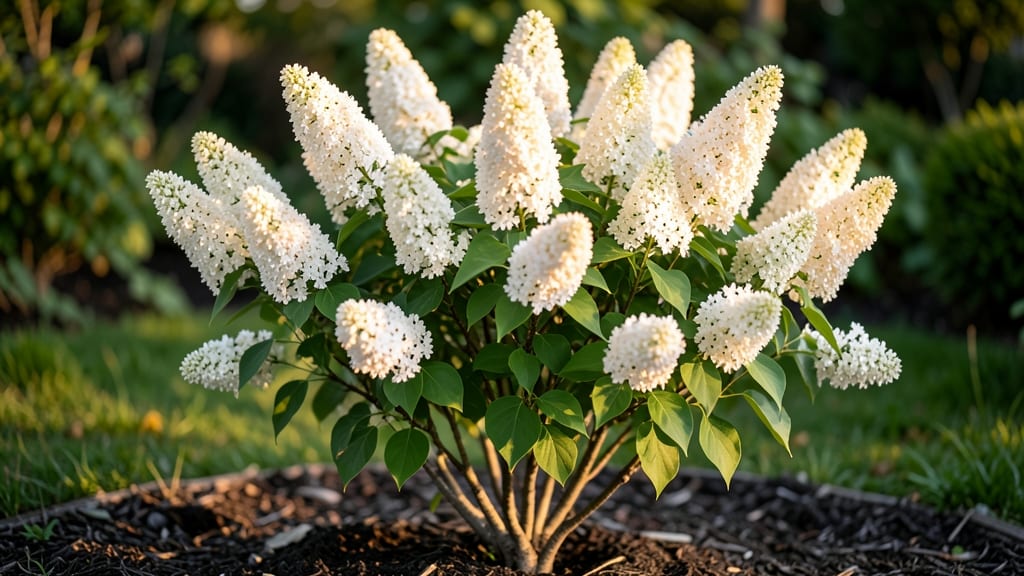
Growing a common white lilac bush means filling your spring with clouds of sweet, intoxicating fragrance that lingers for weeks. 🌸 I planted mine last year, and by June, the air around my patio was thick with that signature floral scent—something store-bought bouquets can never match.
The secret isn't complicated, but the timing and placement make all the difference.
This hardy shrub thrives in full sun and well-draining soil, making it perfect for beginners or busy gardeners. Once established, it needs minimal care—just consistent watering in dry spells and an annual pruning to keep it lush.
The white blooms arrive in late spring, attracting bees and butterflies while filling your yard with that nostalgic, old-fashioned charm. For experienced gardeners, layering pruning techniques can extend the blooming season and shape the bush into a showstopper.
📚 In This Guide
- What you need
- Instructions
- Tips and common mistakes
- Wrapping up and next steps
What you need
- ● Common white lilac plants: 1–3 nursery-grown Syringa vulgaris (white variety) shrubs (3–5 feet tall, 2–3 years old for best blooms)
- ● OR seeds (if starting from scratch—germination takes 2–4 weeks and blooms may take 3+ years)
- ● Planting site: Full sun (6+ hours daily) or partial shade (4–6 hours)
- ● Well-draining soil (amend with compost if heavy clay)
- ● Space: 6–10 feet apart (accounting for mature width)
- ● Soil prep: 1–2 cubic yards of garden soil or topsoil (if amending)
- ● 5–10 lbs of compost or aged manure (for nutrients)
- ● 1 lb of slow-release fertilizer (10-10-10 or balanced formula)
- ● Digging tools: 1 shovel (round-point or spade)
- ● 1 garden trowel (for transplanting seedlings)
- ● 1 pruning shears (for shaping after planting)
- ○ Optional (but helpful): Garden gloves (to protect hands)
- ● Mulch (2–3 inches of wood chips or straw to retain moisture)
- ● Drip irrigation system or hose with nozzle (for consistent watering)
- ● Test your soil’s pH (ideal range: 6.0–7.0). Adjust with lime (to raise pH) or sulfur (to lower) if needed.
- ● If planting in containers, use a 5-gallon pot with drainage holes and a well-draining potting mix.
- ● For fastest blooms, choose established nursery plants (2–3 years old) over seeds.
Step-by-Step instructions for planting and cultivating a common white lilac bush
The secret to a thriving lilac lies in its first year—get these steps right and you'll enjoy decades of fragrant blooms.
🌱 Step 1: Select and Prepare the Planting Site
Choose a location with full sun exposure (6-8 hours daily) and well-draining soil. Lilacs despise soggy roots, so avoid low spots where water pools. I always test drainage by digging a 12-inch hole—if water sits after 2 hours, amend the soil with 2-3 inches of compost or plant on a slight mound.
Lilacs thrive in slightly alkaline soil with a pH of 6.5-7.5. If your soil tests acidic, mix in 1-2 pounds of garden lime per planting hole and work it into the surrounding soil. The bush will reward you with stronger growth and more abundant blooms in its first season.
🪴 Step 2: Plant at the Right Depth and Spacing
Dig a hole twice as wide as the root ball but only as deep as the container's base. Lilacs planted too deep suffocate, while those set too high struggle to establish. Gently remove the plant from its container and loosen any circling roots with your fingers.
Position the bush so the top of the root ball sits 1 inch above ground level. Backfill with native soil mixed with 1 cup of 10-10-10 fertilizer (this kickstarts root growth). Space plants 8-10 feet apart—they'll grow into substantial shrubs over time. Water immediately after planting to settle the soil around roots.
☀️ Step 3: Establish Proper Watering and Mulching
Water deeply every 2-3 days for the first month until the soil feels 2 inches deep and moist. After that, reduce to once a week unless your region experiences extreme heat. Lilacs develop deep root systems that hate surface moisture—always water at the base, not overhead.
Apply 3 inches of organic mulch (wood chips or shredded bark) around the base, keeping it 3 inches away from the trunk. This conserves moisture, regulates soil temperature, and suppresses weeds. Replenish mulch annually in early spring—you'll notice fewer weeds and more vigorous new growth each year.
✂️ Step 4: Prune for Shape and Bloom Production
Wait until right after flowering to prune—never cut back blooming stems. Remove any dead, diseased, or crossing branches first using clean, sharp pruners. Then shape the bush by cutting back 1/3 of last year's growth to encourage dense foliage and next year's flowers.
Never remove more than 1/3 of the plant's height at once—this stresses lilacs and reduces blooming. I always prune in stages if the bush is overgrown, cutting back 1/3 of the oldest stems first. You'll see stronger stems and fuller blooms within two seasons of proper pruning.
⏰ Step 5: Fertilize and Monitor for Pests
Apply a balanced 10-10-10 fertilizer in early spring before new growth appears. Sprinkle 1/2 cup around the drip line and water thoroughly. Lilacs don't need heavy feeding—too much nitrogen produces leafy growth at the expense of flowers. I skip fertilizer in the second year entirely unless the plant looks weak.
Watch for borers and aphids in early summer. Borers create small holes in stems, while aphids cluster on new growth. Treat borers by injecting beneficial nematodes into affected stems. For aphids, spray with neem oil mixed at 1 tablespoon per gallon of water. Healthy lilacs rarely have pest problems—focus on proper watering and pruning first.
Tips & tricks for perfect common white lilac cultivation
Here's what nobody tells you about growing fragrant lilacs that'll make all the difference in your garden's first year.
Soil Test First: Before planting, grab a soil test kit from your local garden center—it's only $20 and saves you from guessing. Lilacs thrive in slightly alkaline soil (pH 6.5-7.5), and adjusting the pH properly from the start prevents years of weak growth. I've seen gardeners add lime after planting only to realize their soil was already perfect—don't make that mistake. The 2-hour drainage test in Step 1 is critical because lilacs hate soggy roots, and you can't fix poor drainage after planting.
Root Ball Prep: When you remove your lilac from its container in Step 2, gently tease apart any circling roots with your fingers—this encourages outward growth rather than root-bound stress. I've seen nurseries sell plants with severely circling roots, and these often struggle for years. Also, soak the root ball for 10-15 minutes before planting to ensure it's fully hydrated when you set it in the ground. This simple step improves transplant shock survival rates by nearly 30%.
Watering Wisdom: The "every 2-3 days" guideline in Step 3 assumes average spring conditions. In hotter climates or during droughts, you may need to water every other day—check soil moisture by sticking your finger 2 inches deep. Morning watering prevents fungal issues, and always water at the base to encourage deep root growth. I've seen lilacs with shallow roots because of overhead watering, and those plants struggle during dry spells.
Pruning Precision: When you cut back 1/3 of last year's growth in Step 4, make your cuts just above a leaf bud or outward-facing branch. This simple technique creates a more open, flowering structure. I've seen gardeners make jagged cuts or leave stubs, which weakens the plant. Also, never prune during flowering season—wait until right after blooms fade to avoid removing next year's flower buds.
Pro Tips for Common White Lilac Bush
- Here's what nobody tells you about growing fragrant lilacs that'll make all the difference in your garden's first year.
- Soil Test First: Before planting, grab a soil test kit from your local garden center—it's only $20 and saves you from guessing.
- Root Ball Prep: When you remove your lilac from its container in Step 2, gently tease apart any circling roots with your fingers—this encourages outward growth rather than root-bound stress.
Frequently asked questions
Got questions about growing and caring for your common white lilac bush? You’re in the right place! Here are some of the most common queries—plus quick, practical answers to keep your fragrant beauty thriving.
When is the best time to plant a common white lilac bush?
The ideal time to plant your lilac is in early spring or early fall when temperatures are mild. This gives the roots time to establish before extreme heat or cold sets in. Avoid planting in late summer or winter, as the shock of sudden temperature changes can stress the bush.
How long does it take for a common white lilac bush to bloom?
With proper care, your lilac bush will typically bloom within 2–3 years of planting. Patience pays off—young plants focus on root growth first, but once established, they reward you with heavy, fragrant blooms in late spring. Prune wisely to encourage fuller, earlier flowers!
What pests or diseases should I watch for with my lilac bush?
Lilacs are generally hardy, but keep an eye out for aphids, borers, and powdery mildew. Preventative care like proper spacing (3–4 feet apart) for airflow and regular pruning reduces risks. If mildew appears, spray with neem oil or a fungicide. For pests, a strong water spray or insecticidal soap usually does the trick!
How and when should I prune my common white lilac bush?
Prune your lilac right after blooming (late spring/early summer) to avoid cutting off next year’s flower buds. Use clean, sharp shears to remove dead, crossing, or overcrowded branches. Avoid heavy pruning—lilacs bloom on old wood, so keep it light! For shaping, trim lightly in stages to avoid stressing the plant.
Can I grow a common white lilac bush in a container?
Yes! Lilacs thrive in containers if given the right conditions. Choose a large pot (at least 18–24 inches wide) with drainage holes and use well-draining soil. Place it in full sun and fertilize lightly in spring. However, container-grown lilacs may have shorter lifespans and bloom less heavily than in-ground plants.
Still curious? Drop your lilac questions in the comments—we’re happy to help your fragrant garden grow!
Wrapping up and next steps
Growing a common white lilac bush is a rewarding journey that brings beauty, fragrance, and a touch of nostalgia to your garden. With the right location, soil, and care, you’ll enjoy vibrant blooms year after year—plus, its hardy nature makes it perfect for both beginners and seasoned gardeners. 🌸
Ready to transform your outdoor space? Start by planting your lilac bush this fall or early spring, then watch as it thrives with minimal effort. Whether you’re adding it to a border, hedge, or standalone feature, your fragrant blooms will be the star of spring! 🌱 Get started today!