
Companion Plants
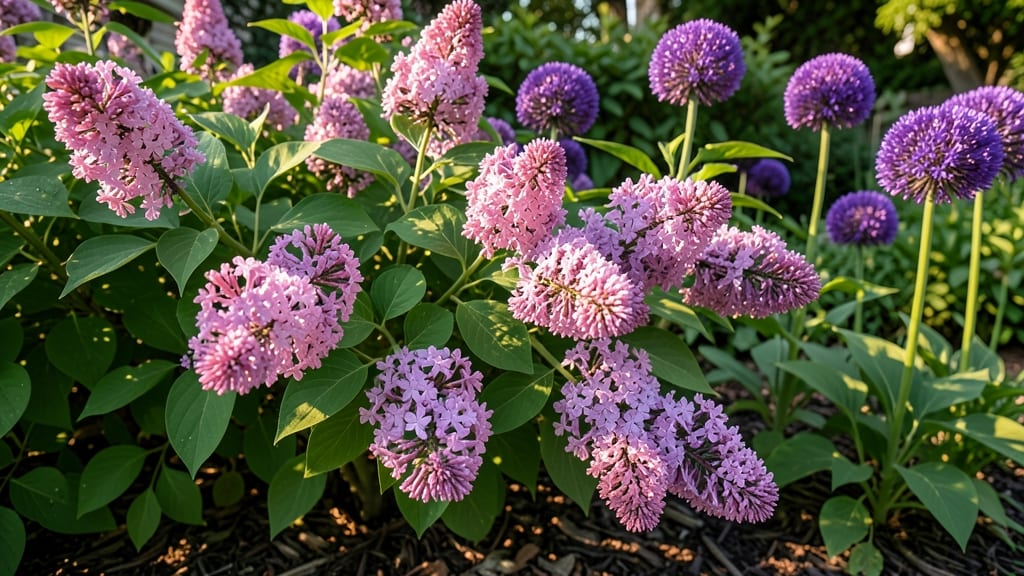
Lilac bushes are fragrant stars of spring gardens, but their full potential unfolds when paired with the right companion plants. These strategic pairings enhance blooms, deter pests, and create harmonious landscapes that thrive together—boosting both beauty and fragrance effortlessly.
Dwarf Lavender Near Lilac Roots
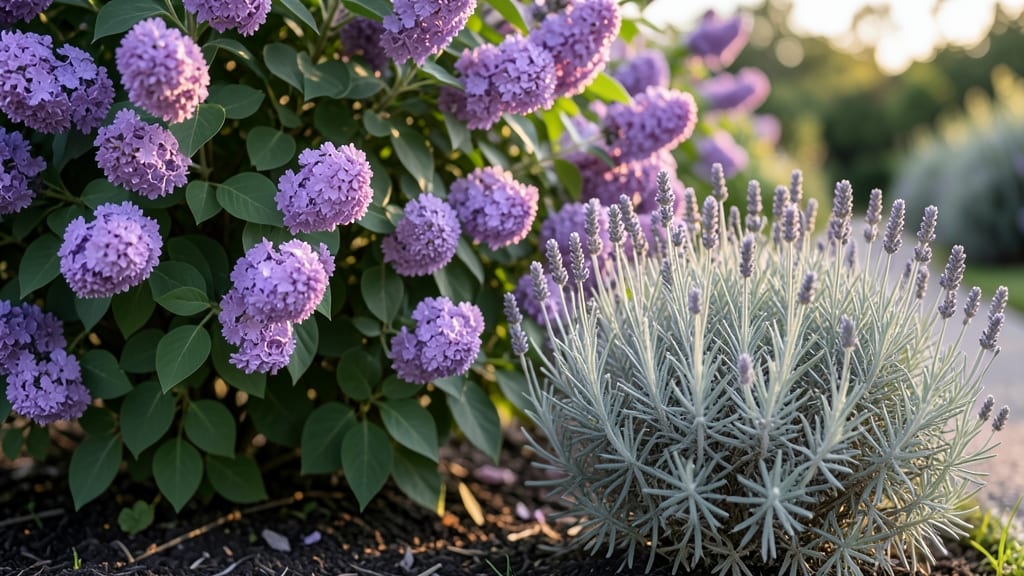
If your lilacs struggle with aphids or you’re short on space, dwarf lavender is the unsung hero of lilac companion planting. This compact perennial not only repels those pesky aphids with its strong scent but also adds a striking silvery-blue contrast to lilac’s bold purple blooms—creating a visual and aromatic masterpiece.
Plant dwarf lavender (like ‘Munstead’ or ‘Hidcote’) 12–18 inches away from lilac roots to maximize pest deterrence without competing for space. It thrives in full sun to partial shade, making it perfect for containers or small garden beds. Water sparingly—lavender hates soggy soil—and prune lightly after flowering to keep it tidy.
This pairing is ideal for urban gardeners, balcony planters, or anyone craving low-maintenance beauty. The fragrant combo will keep your lilacs healthier and your garden looking polished year-round. 💚
Catmint Bushes for Pollinator Support
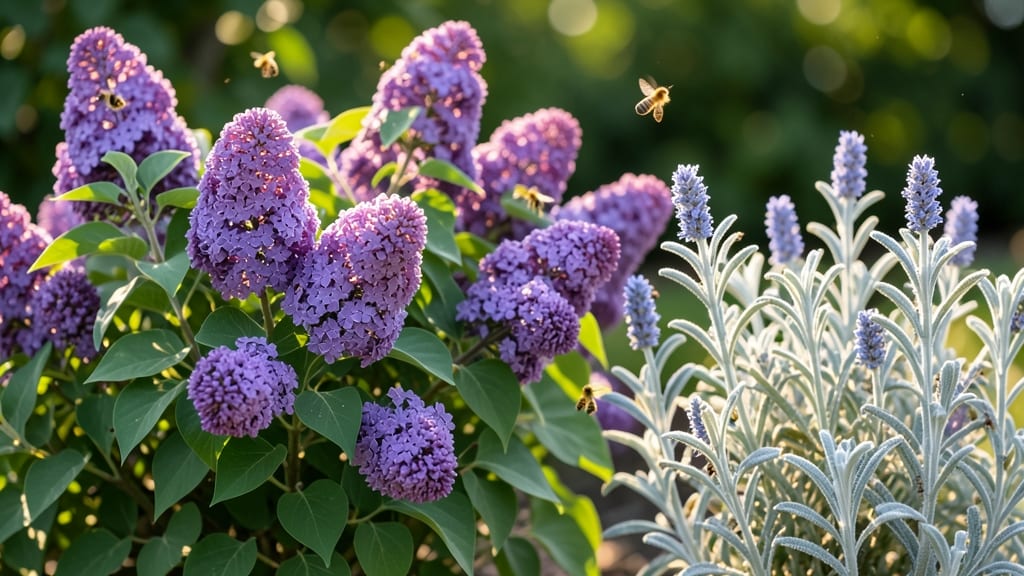
If your lilac bushes feel like a fragrant oasis but you want to supercharge their pollinator appeal, catmint bushes are the perfect partner. Their silver-gray foliage mirrors lilac’s purple blooms, creating a cohesive color palette while drawing in bees and butterflies that actively pollinate your lilacs.
Plant catmint in full sun to partial shade (3-6 hours of sunlight daily) and space them 2-3 feet apart for a lush, low-maintenance border. The plant’s drought-tolerant nature means less watering for you, and its long bloom season (late spring to fall) ensures continuous pollinator support. Plus, its aromatic leaves deter pests like aphids, giving your lilacs extra protection.
This combo is ideal for gardeners who love pollinator-friendly landscapes without the upkeep of high-maintenance plants. Your lilacs will thank you with even more vibrant blooms! 🌿
Russian Sage Behind Lilac Bushes
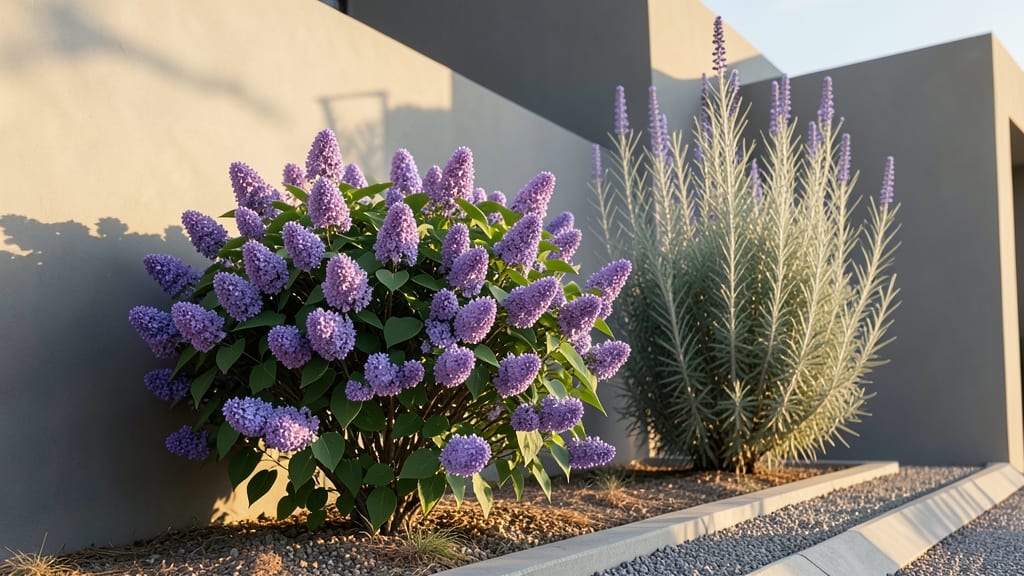
If you love the clean lines of modern gardens but struggle with dry conditions, Russian sage is your secret weapon behind lilac bushes. This hardy perennial thrives in full sun and drought, creating a striking vertical backdrop that echoes lilac’s purple hues while repelling pests like aphids and spider mites.
Plant Russian sage 18-24 inches behind lilac bushes to avoid shading their roots while letting their silvery foliage and purple flower spikes create a textured contrast. The plant’s aromatic leaves also mask lilac’s fragrance when winds are strong, ensuring your scent garden remains pleasant year-round. Its low-maintenance nature makes it perfect for pollinator-friendly, water-wise designs.
This pairing is especially ideal for urban gardeners or those in USDA zones 5-9, where its year-round interest (even after lilacs fade) keeps gardens vibrant. 🌟
Hostas at Lilac’s Base
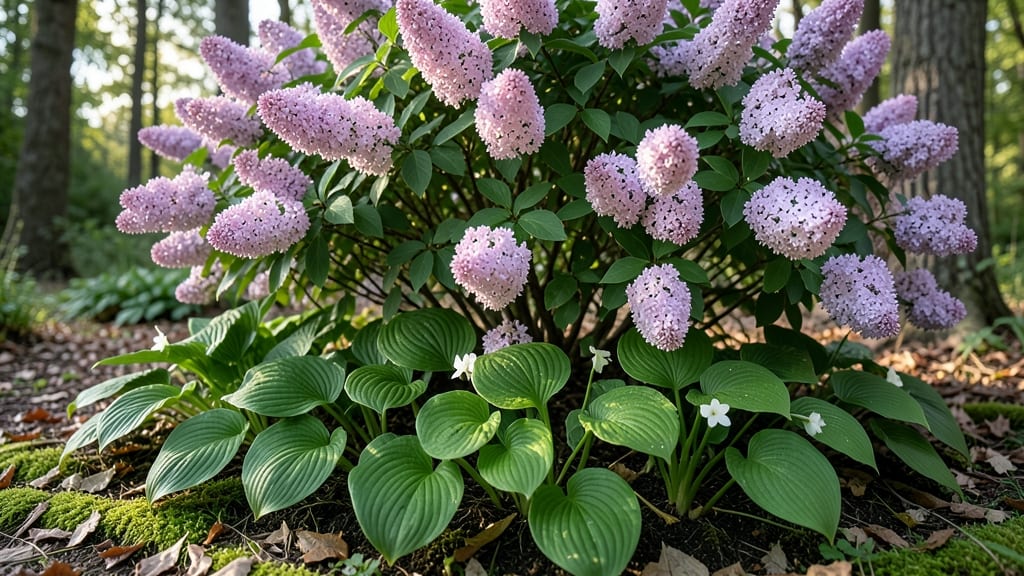
Looking to add a touch of woodland charm to your lilac garden? Planting hostas at the base of your lilac bushes creates a stunning, low-maintenance contrast while offering practical benefits you might not expect.
The moisture-retentive roots of hostas help regulate soil humidity, shielding lilac roots from drying out during hot summers. Their lush, heart-shaped leaves provide a vibrant green backdrop that highlights lilac blooms, especially in dappled shade. Choose varieties like Hosta 'Blue Angel' or Hosta 'Francee' for extra texture and resilience.
This pairing is ideal for gardeners with woodland edges or shady spots, as hostas thrive in partial shade while lilacs appreciate filtered light. The combination also deters slugs—hostas act as a sacrificial snack, protecting your prized lilacs. 🌿
Daylilies for Season-Long Color
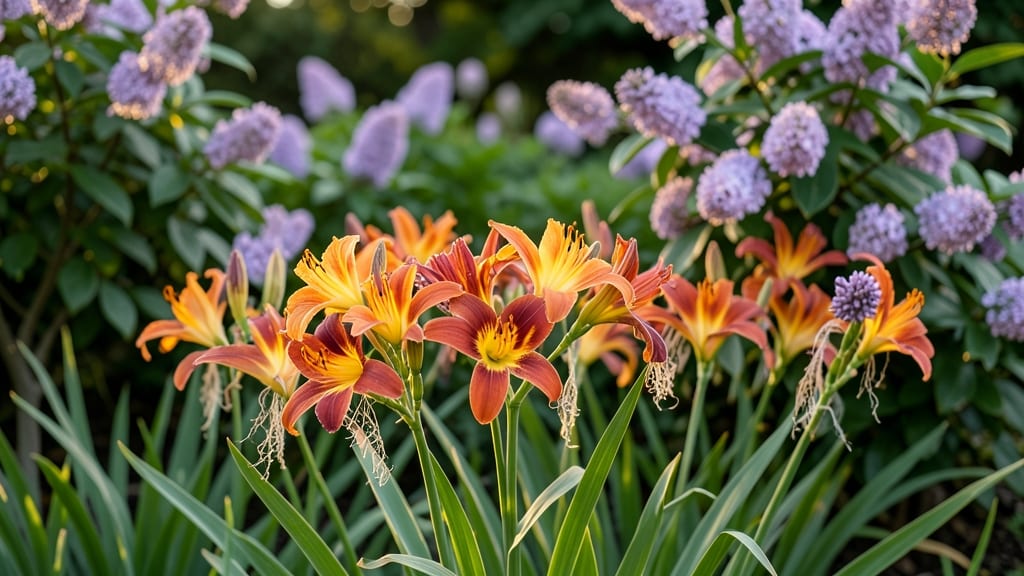
When your lilacs finish their spring show, daylilies step in to keep the color party going—often blooming from early summer until frost. This hardy perennial bridges the gap between seasons, offering vibrant hues like orange, yellow, and purple that echo lilac’s soft lavender tones while adding bold contrast.
Daylilies thrive in the same full sun to partial shade conditions as lilacs and share their drought tolerance once established. Plant them in clusters at the base of lilac bushes or along borders to create a seamless transition from spring to summer blooms. Their low-maintenance nature makes them perfect for cottage gardens or perennial beds where you want effortless beauty.
This pairing is especially valuable for gardeners who crave year-round interest without extra work. The daylily’s resilience mirrors lilac’s hardiness, ensuring your garden stays lively long after spring’s fleeting blooms. 🌻
Alliums for Height and Texture
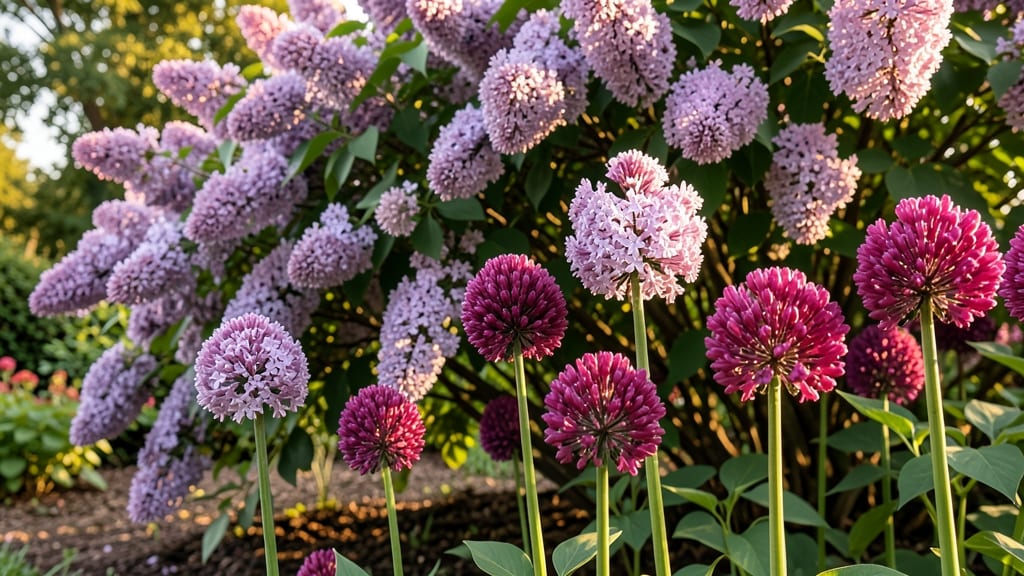
Want to add drama and structure to your lilac garden without sacrificing fragrance? Alliums are the unsung heroes that bring towering height and bold texture while keeping pests at bay. Their spherical blooms create a stunning vertical contrast against lilac’s horizontal branches, making them ideal for cutting gardens or pollinator plots.
Plant Allium giganteum or Allium schubertii varieties near lilacs for their striking purple globes that rise 3-5 feet tall. The strong scent of alliums naturally deters common lilac pests like aphids and Japanese beetles. They thrive in full sun and well-drained soil, blooming in late spring to early summer when lilacs are still in peak form.
This pairing works especially well for gardeners who love seasonal interest and want to extend their cutting garden harvest. The alliums will provide fresh, long-lasting blooms for arrangements while keeping your lilacs healthier and more fragrant. 🌟
Salvia Nemorosa for Drought Resistance
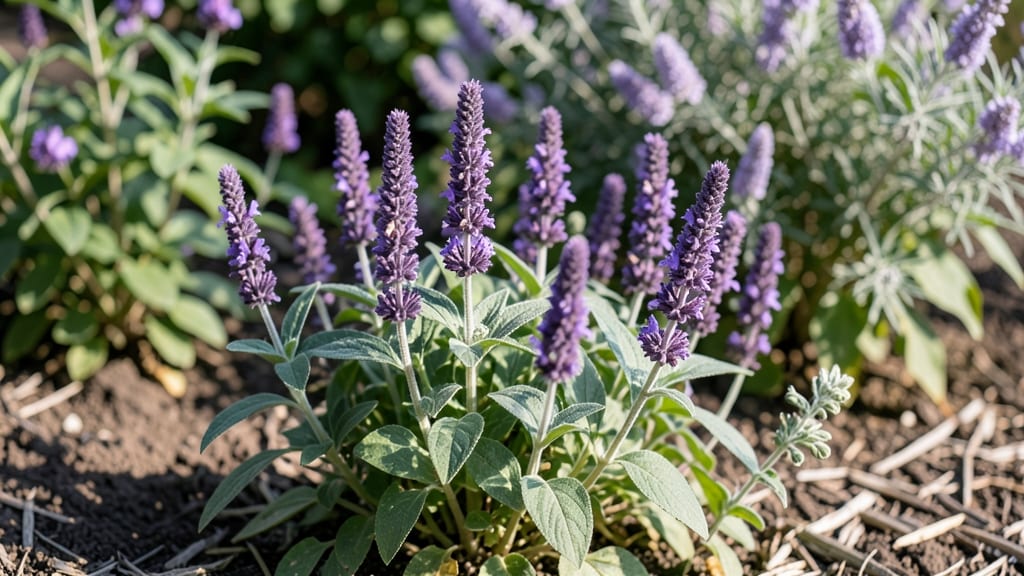
If you’re struggling with water restrictions but still want a vibrant garden, salvia nemorosa is your secret weapon. This drought-tolerant perennial thrives on neglect, requiring only occasional watering once established, while its purple flower spikes mirror lilac’s signature hue—creating a cohesive, low-maintenance look.
Beyond its water-wise benefits, salvia’s nectar-rich blooms attract beneficial insects like ladybugs and lacewings, which naturally control pests that target lilacs (such as aphids). Plant it 3–4 feet away from lilac bushes to avoid root competition, and enjoy a season-long display from early summer through fall.
Perfect for modern landscapes, salvia’s upright growth adds vertical interest without overpowering lilacs. Urban gardeners and eco-conscious plant lovers will appreciate its resilience and pollinator-friendly appeal. 🌻