
Pruning
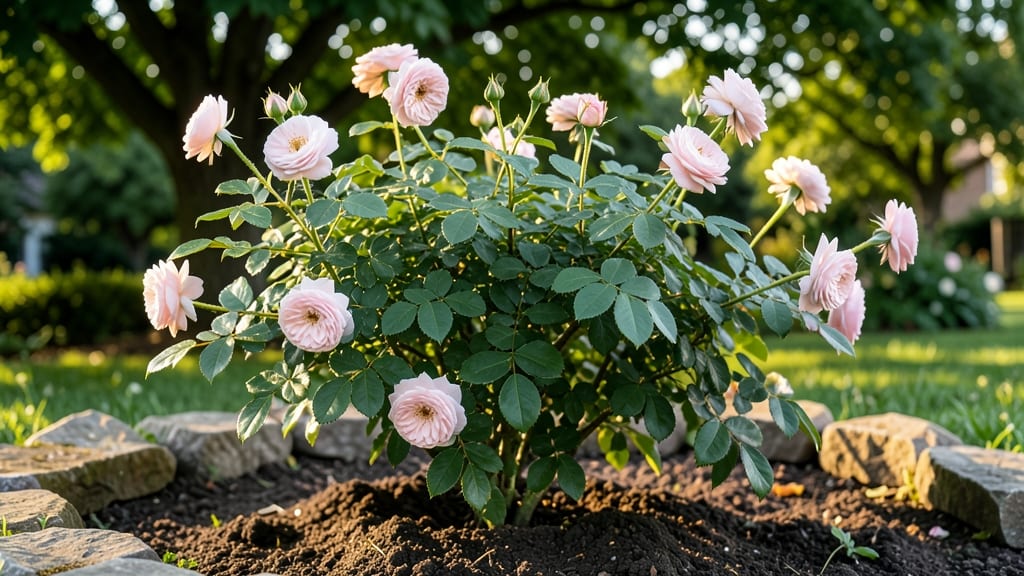
Your Constance rose bush could be covered in blooms from spring through frost if you prune it right. 🌹 I’ve spent years perfecting the layered trimming approach that keeps my Constance roses thriving—no more sparse stems or weak growth.
The secret lies in understanding when to cut back, how much to remove, and which stems to prioritize for maximum flowering.
This classic rose thrives in zones 5-9 and rewards you with fragrant, velvety blooms that last longer than many hybrid teas. The key is three pruning sessions a year: a light cleanup in early spring, a mid-season trim after blooming, and a hard cutback in late fall.
Each session serves a purpose—spring opens the plant, summer maintains shape, and fall prepares it for winter dormancy.
By following this method, you’ll transform a once-overwhelming task into a simple routine that keeps your rose bush lush and productive. The result? A year-round display of blooms that turns heads and fills your garden with that classic rose perfume.
Let’s get those pruners sharp and start shaping your rose’s future.
Whether you’re using these roses as a privacy hedge, cut flower source, or garden focal point, the same pruning principles apply. The only difference is how aggressively you shape them—just remember, Constance roses respond best to gradual, intentional cuts rather than drastic changes.
Here’s how to make it happen without stress.
📚 In This Guide
- What you need
- Instructions
- Tips and common mistakes
- Wrapping up and next steps
What you need
- ● Pruning shears – Bypass pruners (sharp, 5-7" blades) for clean cuts on small stems.
- ● Loppers – Long-handled (18-24"), 24-32" cutting capacity for thicker branches.
- ● Pruning saw – For stubborn, thick wood (avoid if possible—Constance roses rarely need this!).
- ● Disinfectant (70% isopropyl alcohol or bleach solution) – 1 part bleach to 9 parts water to sterilize tools between cuts.
- ○ Garden gloves – Heavy-duty, thorn-resistant (optional but highly recommended!).
- ● Rake or broom – For clearing debris after pruning.
- ● Twine or plant ties – If your bush needs structural support post-pruning.
- ● Hand pruners (felco-style) – For precision on delicate stems.
- ● Rose fertilizer or compost – To replenish nutrients after heavy pruning.
- ● Plant food (high-phosphorus) – Encourages root and bloom growth post-trimming.
- ● Mulch (wood chips or straw) – Protects roots and retains moisture.
- ● Notebook & pen – To sketch your bush’s shape or track pruning dates!
Step-by-Step instructions for pruning a Constance rose bush
Here's how I keep my Constance roses blooming nonstop—it's all about timing and precision cuts.
✂️ Step 1: Perform the Late-Winter Cleanup Cut
Start in late winter (just as buds begin to swell) when the plant is still dormant. This is your hard prune—remove one-third of the plant's height by cutting back to healthy outward-facing buds. I like to make cuts at a 45-degree angle, about ¼ inch above the bud, to prevent water from pooling and rotting the stem.
Look for dead, diseased, or crossing branches—these compete for energy and should go first. If a branch is thinner than a pencil, it's likely weak and can be removed entirely. The goal here is to open up the center of the bush for better air circulation and sunlight penetration, which prevents fungal issues.
✂️ Step 2: Light Pruning After First Blooms Fade
After the first flush of blooms in early summer, give your Constance rose a light trim. Remove spent blooms (deadhead) and any branches that grew too leggy or crowded the center. Cut just above the next set of five-leaf clusters—this encourages new growth and more blooms.
Here's the thing—Constance roses bloom on both old and new wood, so don't over-prune. You'll see new shoots emerging from the base after this trim. These are your future blooming stems, so leave them be unless they're growing in the wrong direction. A quick snip to redirect them toward the center keeps the bush full and balanced.
✂️ Step 3: Mid-Season Maintenance for Continuous Blooms
Every 4-6 weeks through summer, do a quick check-and-trim. Remove any yellowing leaves, weak stems, or branches rubbing against each other. Cut at the same 45-degree angle, ¼ inch above a bud, to maintain clean wounds and encourage healthy regrowth.
Watch for suckers—those are the aggressive shoots growing from the base or below the graft. Remove them immediately, as they drain energy from the main plant. You'll know you're doing it right when the bush looks open, airy, and full of fresh green growth between trims.
✂️ Step 4: Final Light Trim in Early Fall
In early fall, give your Constance rose a final light prune to clean up any remaining spent blooms and tidy up the shape. Cut back by no more than 10%—this is just a neatening trim, not a major structural change. The goal is to remove anything that might harbor pests or diseases over winter.
Leave the strongest canes intact—they'll store energy for next year's blooms. If you live in a warmer climate, you can skip this step entirely and focus on deadheading blooms throughout fall. The key is to stop pruning by late fall so the plant can harden off before winter.
⏰ Step 5: Winter Protection (If Needed)
If you're in a Zone 6 or colder, protect your Constance rose by wrapping the canes with burlap or rose cones after the ground freezes. Remove any mulch from the base to prevent rot, but leave 3-4 inches of organic mulch around the root zone for insulation.
Here's what I do: I loosely mound soil around the base (about 6 inches high) to shield the graft union from extreme cold. In spring, remove the protection as soon as buds swell—waiting too long can smother new growth. Your goal is to balance protection with airflow so the plant wakes up strong and healthy.
Tips & tricks for perfect Constance rose bush pruning
These precision-focused strategies will transform your Constance rose into a blooming powerhouse year after year.
The Timing Secret: Constance roses bloom on both old and new wood, so precision timing matters more than aggressive cutting. In Step 1, when you're doing that late-winter hard prune, look for the first signs of bud swelling—this is your cue to act. If you prune too early, you'll remove potential blooming stems; if you wait too long, you'll encourage leggy growth. I've learned this the hard way after seeing roses skip their first flush because I pruned too late.
Cutting Angle Matters: That 45-degree angle in Steps 1, 2, and 3 isn't just for show—it's about water management. When you make clean cuts at a 45-degree angle about ¼ inch above an outward-facing bud, you create a natural water runoff path that prevents fungal infections. I've seen roses develop black spot disease from improper cuts, so this detail makes all the difference. Use sharp pruners and make one clean cut rather than crushing the stem.
Mid-Season Maintenance: The 4-6 week maintenance schedule in Step 3 is where most people slip up. Many gardeners think "less is more" with roses, but Constance roses actually respond beautifully to regular light trims. When you're checking for yellowing leaves or weak stems, also look for "watersprouts"—those are the fast-growing vertical shoots that steal energy from blooms. Remove them immediately at their base, not just the top.
Winter Protection Wisdom: For Zone 6 gardeners in Step 5, that 6-inch soil mound around the base isn't just about cold protection—it's about creating an insulating air pocket. The key is to mound loosely so water can drain away from the graft union. I've seen roses develop rot when gardeners pack soil too tightly. And remember: remove winter protection as soon as buds swell in spring, not when leaves emerge—the plant needs that airflow to wake up properly.
Pro Tips for Constance Rose Bush
- These precision-focused strategies will transform your Constance rose into a blooming powerhouse year after year.
- The Timing Secret: Constance roses bloom on both old and new wood, so precision timing matters more than aggressive cutting.
- Cutting Angle Matters: That 45-degree angle in Steps 1, 2, and 3 isn't just for show—it's about water management.
Frequently asked questions
Got questions about keeping your Constance rose bush thriving with year-round blooms? We’ve got answers! Here are some of the most common queries from gardeners just like you.
When is the best time to prune a Constance rose bush for continuous blooms?
The key to year-round blooms is layered pruning. Start with a light trim in early spring (after the last frost) to shape the bush and remove dead wood. Then, prune lightly every 6–8 weeks to encourage new growth and blooms. Avoid heavy pruning in late summer—stick to deadheading to extend the flowering season!
How much can I cut back my Constance rose bush without harming it?
Constance roses are hardy but not aggressive—never remove more than 1/3 of the bush in a single session. For shaping, focus on cutting back overgrown stems to just above an outward-facing bud. If you’re reviving an overgrown bush, space pruning over 2–3 years to avoid stressing the plant. Patience pays off!
What should I do if my Constance rose bush isn’t blooming as much as expected?
Lack of blooms often stems from poor pruning, nutrition, or sunlight. Check these first:
- Light: Ensure it gets 6+ hours of sun daily—partial shade can reduce blooms.
- Fertilizer: Use a balanced rose fertilizer (like 10-10-10) every 4–6 weeks during growing season.
- Pruning: If you’ve skipped layered trims, prune now to stimulate new growth.
- Pests/Disease: Inspect for aphids or black spot—treat with neem oil or fungicide if needed.
Can I grow a Constance rose bush in containers? If so, what size pot do I need?
Constance roses thrive in containers with good drainage. Choose a pot at least 18–24 inches wide and deep (bigger is better for stability). Use a well-draining potting mix and fertilize regularly since container-grown roses exhaust nutrients faster. Move pots indoors or to a sheltered spot in winter if temps drop below 20°F.
How do I protect my Constance rose bush in winter?
Constance roses are hardy to USDA Zone 5, but young plants or harsh winters need extra care:
- Mulch: Apply 4–6 inches of mulch around the base (but not touching the stem) to insulate roots.
- Wrap: Use rose cones or burlap to shield the bush from wind and cold.
- Avoid pruning: Wait until early spring—pruning in winter can invite disease.
Are there any alternatives to Constance roses for year-round blooms?
If you love continuous color, consider these low-maintenance alternatives:
- Knock Out® Roses: Disease-resistant, bloom all season, and nearly prune-free.
- Drift Roses: Compact, repeat-blooming, and thrive in containers.
- Hydrangeas (e.g., ‘Endless Summer’): Produce blooms on old and new wood.
- Abelia or Weigela: Shrubs with long bloom seasons and minimal pruning needs.
Wrapping up and next steps
Mastering the art of pruning your Constance rose bush is like unlocking a secret to endless blooms—it’s all about timing, technique, and a little patience! 🌸 With layered trimming, you’ll not only encourage vibrant flowers year-round but also keep your bush healthy and thriving.
Remember, consistency is key, and soon, your garden will be the talk of the neighborhood.
Ready to take the next step? Grab your pruners, dust off that gardening glove, and schedule your first trim this season. Watch as your Constance rose bush rewards you with lush, fragrant blooms that’ll make every pruning session worth it!