
Pruning
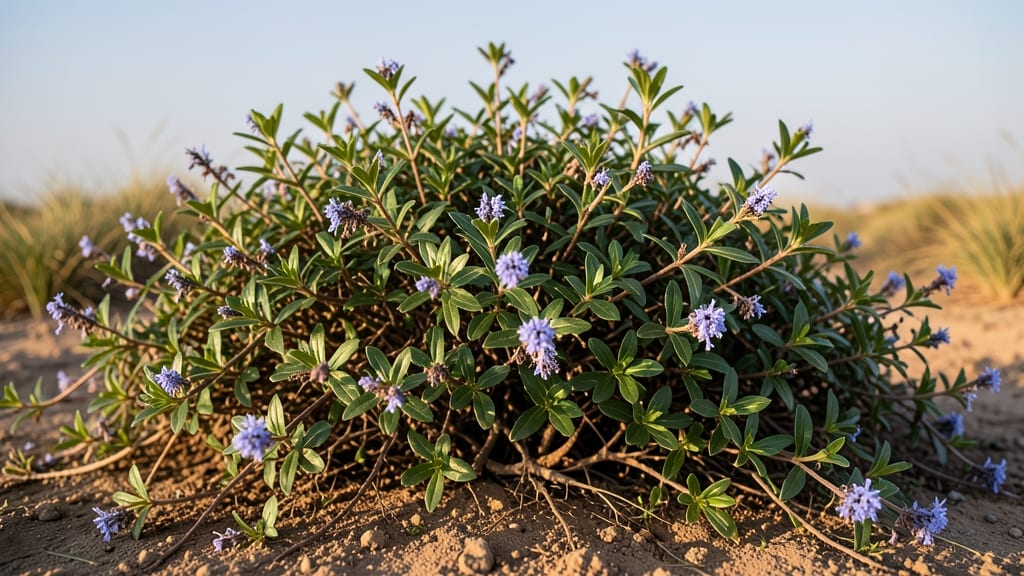
The creeping myrtle bush blooms like crazy when you prune it right. ✨ I’ve watched this tough, drought-loving shrub go from scraggly to showstopping in just one season—all thanks to the right cuts at the right time.
The secret isn’t complicated, but timing and technique make all the difference between a bush that flops and one that thrives for years.
This evergreen beauty handles heat and dry spells like a champ, but it hates winter cold—so pruning after frost risk has passed is key. Most gardeners overdo it in spring, leaving the plant stressed and blooms sparse.
Instead, focus on shaping in late winter and light cleanup after flowering. A sharp pair of shears and a sunny spot with well-draining soil are all you really need to get started.
By summer, you’ll see dense, glossy foliage with clusters of lavender blooms that attract bees and hummingbirds. The best part? It stays compact naturally, making it perfect for borders, slopes, or even as a living edge for ponds.
Just avoid heavy pruning in fall—it won’t have time to harden off before winter.
Works in zones 7-10, thrives in poor soil, and spreads slowly but steadily. Once established, it’s basically maintenance-free—just watch for powdery mildew in humid climates and give it a quick trim after blooms fade. Ready to turn your creeping myrtle from “meh” to “wow”?
📚 In This Guide
- What you need
- Instructions
- Tips and common mistakes
- Wrapping up and next steps
What you need
- ● Pruning shears – Sharp, bypass-style shears (for clean cuts on smaller branches). Pro tip: Disinfect blades with rubbing alcohol to prevent disease spread! 💡
- ● Loppers – For thicker branches (up to 2 inches in diameter). Look for bypass or anvil types with comfortable grips.
- ● Hedge shears – If shaping the bush, opt for aluminum or stainless steel blades (avoid dull or rusted tools).
- ● Gloves – Heavy-duty, cut-resistant gloves to protect your hands from thorns and sharp edges.
- ● Pruning saw – For any stubborn, thick branches (choose a bow saw or pruning saw with a fine-tooth blade).
- ● Ladder or step stool – If your bush is tall (6+ feet), ensure it’s stable and non-slip for safety.
- ● Disposable pruning bags or bucket – To collect and dispose of trimmings (helps keep your workspace tidy!).
- ● Rubbing alcohol (70% or higher) – For sterilizing tools between cuts.
- ○ Sharpie or permanent marker – To mark branches you plan to remove (optional but helpful for planning!).
- ● Hand pruners with a ratchet mechanism – Makes repeated cuts easier if you’re pruning a lot.
- ● Extension pole pruners – For high branches without a ladder.
- ● Mulch or compost – To refresh the soil after pruning for healthier regrowth.
- ● Plant food or fertilizer – A balanced 10-10-10 or 20-20-20 formula to boost recovery.
- ● Safety glasses – If working with large branches that might snap back.
Step-by-step guide to pruning creeping myrtle for vibrant blooms
Here's the method I use to keep my creeping myrtle thriving with bold flowers and dense foliage.
✂️ Step 1: Time Your Pruning for Maximum Impact
Prune your creeping myrtle in late winter or early spring, just as new growth begins to emerge. This timing ensures you remove dead wood while leaving plenty of time for fresh blooms to develop. I always wait until after the last frost date in my zone—usually mid-March—because cold snaps can still damage tender new shoots.
If you missed the window, you can do a light shaping cut in early summer after flowering, but avoid heavy pruning then. The plant needs its energy to set next year's buds. Watch for swollen buds along the stems—these are your signal that growth is about to start.
✂️ Step 2: Remove Dead and Damaged Growth First
Start by inspecting the entire plant for dead, diseased, or crossing branches. Use clean, sharp pruners to make 45-degree cuts just above a leaf node or outward-facing bud. I always disinfect my tools with rubbing alcohol between cuts—this prevents spreading any hidden infections.
Remove any branches that are rubbing against each other or growing inward. These compete for sunlight and air circulation, which weakens the plant over time. You'll know you're doing it right when the center of the bush starts to open up, letting light reach all the way through.
✂️ Step 3: Shape the Plant for Fullness and Airflow
Creeping myrtle grows naturally in a rounded, mounded shape. To encourage this, cut back the longest stems by one-third to open up the center. Focus on the outer edges first—this prevents the plant from becoming too dense in one area.
For a more formal look, you can trim the edges to create clean lines. Just be careful not to shear the plant like a hedge—myrtle responds best to selective pruning rather than heavy cutting. After shaping, step back and admire your work—you should see new growth points emerging within a few weeks.
🌿 Step 4: Maintain Through the Growing Season
During the growing season, do light pruning to remove any spent flowers or overly leggy stems. This encourages the plant to focus its energy on new blooms rather than seed production. I pinch back the tips of new growth occasionally to promote bushier growth—just a quarter-inch cut is enough.
Water deeply after pruning to help the plant recover. You'll notice fresh green leaves emerging from the cut areas within 2-3 weeks, signaling that the plant is healing well. Keep an eye out for pests or disease—if you see any issues, address them immediately to keep your myrtle healthy.
⏰ Step 5: Prepare for Winter Dormancy
In late fall, do a final light pruning to remove any weak or crossing branches. This helps the plant enter dormancy in a strong condition. Avoid heavy cuts at this time—you want the plant to store energy for next year's growth.
Mulch around the base with 2-3 inches of organic mulch to protect the roots from freezing temperatures. Over time, you'll see your creeping myrtle develop a stronger, fuller structure with long-lasting blooms that attract pollinators all season long.
Tips & tricks for pruning creeping myrtle
These simple tricks will help you transform your creeping myrtle into a blooming powerhouse without the guesswork.
Timing is Everything: The late winter to early spring window is non-negotiable for serious blooms. I've learned this the hard way—pruning too early can expose tender growth to frost damage, while waiting too late sacrifices next year's flowers. If you're in doubt about your frost date, check your local agricultural extension service for precise timing. Watching for those swollen buds is your best natural indicator that it's time to start.
Tool Prep Matters: Never underestimate the importance of clean, sharp pruners. I disinfect mine with rubbing alcohol between every cut—this prevents spreading fungal spores or bacterial infections that can weaken your plant. Dull blades tear stems instead of making clean cuts, which slows healing and invites pests. A quick test: if your pruners struggle to cut through a pencil with ease, they're too dull for your myrtle.
Shape Strategically: The one-third reduction of longest stems in Step 3 creates that perfect rounded shape while encouraging new growth from the center. Here's what I do: I start with the outer edges to create a natural frame, then work my way inward. This prevents the classic "bushy center, bare edges" look that many gardeners accidentally create. After shaping, I always step back to visualize the plant's silhouette—it should look balanced from all angles.
Seasonal Maintenance Secret: During the growing season, I make it a habit to do my "light pruning" in the morning when the plant is well-hydrated. This helps minimize stress on the plant. I also keep a small pair of pruners handy for quick touch-ups—removing spent flowers and leggy stems as I notice them prevents the plant from wasting energy on seed production. Think of it as giving your myrtle a spa day throughout the season.
Pro Tips for Creeping Myrtle Bush
- These simple tricks will help you transform your creeping myrtle into a blooming powerhouse without the guesswork.
- Timing is Everything: The late winter to early spring window is non-negotiable for serious blooms.
- Tool Prep Matters: Never underestimate the importance of clean, sharp pruners.
Frequently asked questions
about creeping myrtle bushes—because even the toughest shrubs need a little clarity!When is the best time to prune creeping myrtle?
The ideal time to prune creeping myrtle is late winter or early spring, just before new growth begins. This timing ensures you remove dead or weak stems while encouraging vibrant blooms for the season. Avoid pruning in fall, as it can stimulate tender new growth that may be damaged by frost. For light maintenance, you can also trim lightly after flowering to shape the plant.
How much can I trim back my creeping myrtle?
Creeping myrtle is highly resilient and can handle aggressive pruning! You can safely trim back up to one-third of the plant’s height without causing harm. For overgrown bushes, prune in stages over 2–3 years to avoid shocking the plant. Focus on removing dead, crossing, or leggy branches first, then shape the remaining growth.
Why aren’t my creeping myrtle blooms as abundant as last year?
Fewer blooms often signal over-pruning, poor nutrition, or stress. Check if you’ve trimmed too late in the season (after blooming) or cut back too aggressively. Ensure the plant gets full sun (6+ hours daily) and well-draining soil. Feed with a balanced fertilizer in early spring and water deeply during dry spells. Pests like spider mites can also stress the plant—inspect leaves for signs of damage.
Can I use creeping myrtle as a hedge? Yes—but with caution!
While creeping myrtle can form a loose, informal hedge, it’s not as dense as traditional hedge plants like boxwood or privet. Prune it lightly and frequently to encourage bushiness, and avoid shearing too closely, which can expose the woody stems. For a tighter look, interplant with compact shrubs like dwarf yaupon or use it as a background accent in landscape beds.
What should I do if my creeping myrtle looks leggy or sparse?
Leggy or sparse growth usually means the plant needs more light or pruning adjustments. Start by trimming back the longest, bare stems to encourage new growth from lower buds. Thin out overcrowded branches to improve airflow, and fertilize lightly with a phosphorus-rich formula to promote blooming. If the issue persists, check for root-bound conditions—transplanting may be needed if the plant is confined to a small space.
Is creeping myrtle drought-tolerant once established?
Once established (1–2 years old), creeping myrtle thrives on drought conditions and requires minimal watering. However, newly planted shrubs need regular watering (about 1 inch per week) to help roots establish. During extreme drought, even mature plants may benefit from a deep watering every 2–3 weeks to maintain lush foliage and blooms.
Wrapping up and next steps
Mastering the art of pruning your creeping myrtle bush is all about patience and precision—rewarding you with stunning blooms and vigorous growth for years to come! 🌸 Whether you’re trimming for shape, health, or seasonal renewal, remember that consistency is key.
Start small, observe your plant’s response, and adjust your approach as needed.
Ready to take your creeping myrtle to the next level? Grab your pruners, dust off those gloves, and schedule your next pruning session—your bush will thank you with lush foliage and breathtaking flowers! For extra inspiration, check out our seasonal pruning calendar to stay on track.