
Plants
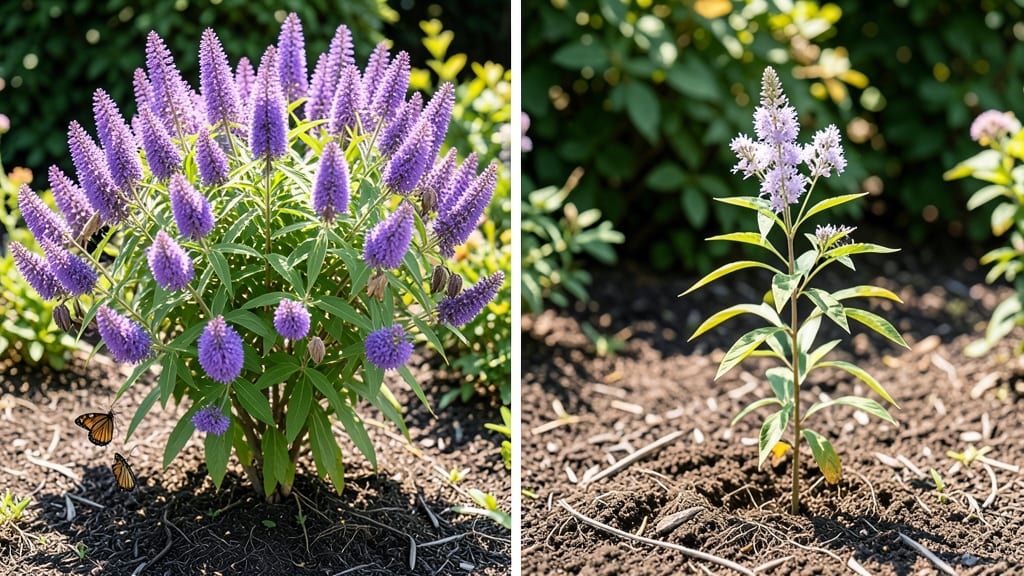
Butterfly bushes do come back every year as hardy perennials in USDA zones 5-9, though they may die back in colder winters. Proper pruning and winter protection ensure regrowth each spring, with some varieties surviving in zone 4 with extra care.
These shrubs thrive as perennials because their root systems store energy underground during dormancy, allowing them to bounce back each spring. 🌿 The key difference between zones lies in how severe the winter gets—while most varieties handle zone 5's -20°F winters, zone 4's -30°F can be too harsh without protection.
I've seen Buddleia alternifolia (a hardier species) survive zone 4 winters with thick mulch, while Buddleia davidii often needs winter wraps in zone 5. The secret to their resilience is timing: pruning in late winter before new growth appears gives them the best chance to recover.
For gardeners in marginal zones, I recommend combining mulching with protective burlap wraps around the stems.
This creates a microclimate that retains heat and shields against windburn. 🌱 Early spring is also critical—once you see green shoots, remove any winter coverings immediately to prevent moisture buildup that could rot tender new growth.
The first flush of leaves typically appears in late April or early May, depending on your location.
💡 In This Article
- Butterfly Bush Cold-Hardiness by USDA Zones
- Winterizing Butterfly Bushes for Year-Round Growth
Butterfly bush cold-hardiness by USDA zones
Butterfly bushes thrive as perennials because their root systems contain specialized cells called parenchyma that store starches and sugars during dormancy. These energy reserves fuel regrowth when temperatures rise in spring.
The plant's cold tolerance varies by species: Buddleia davidii (the most common type) typically handles down to -15°F, while Buddleia alternifolia can withstand -30°F with proper care. This difference occurs because alternifolia has thicker bark and denser foliage that insulates the stems better.
The USDA zone system divides North America into 11 zones based on average annual minimum temperatures. For butterfly bushes, zone 5 (with -20°F minimums) is the lower limit for most varieties without protection.
In zone 4, where winters drop to -30°F, only alternifolia and specially bred hybrids like 'Lo and Behold' reliably survive.
The critical threshold is -25°F—below this, cell membranes in stems can rupture, killing the plant. 🌡️ To check your zone, use the USDA Plant Hardiness Zone Map and input your ZIP code for precise data.
What most gardeners don't realize is that cold damage isn't just about temperature—it's also about wind exposure and soil moisture. Dry, cold winds can desiccate stems even at survivable temperatures, while wet soil freezes more slowly, protecting roots.
This is why mulching with 4-6 inches of organic matter (like shredded leaves or straw) creates a protective barrier that moderates soil temperature fluctuations. The mulch acts like a thermal blanket, keeping roots 5-10°F warmer than ambient air temperatures.
Variety selection makes a huge difference in cold performance. For example, 'Miss Ruby' (a davidii cultivar) handles zone 5 winters well but often dies back in zone 4, while 'Flutterby' (a hybrid) can survive zone 4 with proper winter care.
The key is choosing varieties bred for your specific zone—check plant tags or nursery descriptions for cold-hardiness ratings. Some newer hybrids even claim zone 3 tolerance, though I've found their success depends heavily on site conditions like microclimates near south-facing walls.
Here's how the different zones break down in practice:
- Zones 6-9: Butterfly bushes thrive with minimal winter care—just a light pruning in late winter
- Zone 5: Needs 3-4 inches of mulch and may benefit from burlap wraps around stems
- Zone 4: Requires 6+ inches of mulch, stem wraps, and often a protective cage filled with leaves
Even in ideal zones, early frosts can damage new growth. That's why I always recommend waiting until late spring (after the last frost date) to remove winter protections. The first signs of regrowth—tiny green buds—usually appear in April or May, depending on your location.
In my zone 5b garden, I've seen shoots emerge as early as March 15 in sheltered spots, but they often retreat if temperatures dip below 32°F again.