
Fertilization
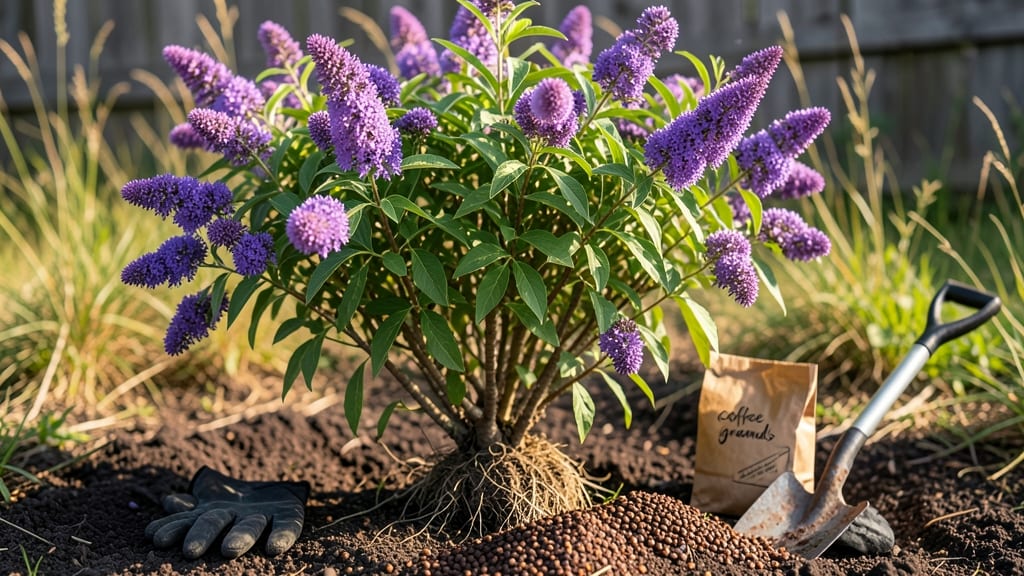
Butterfly bushes do like coffee grounds because they naturally acidify the soil, which these plants prefer for optimal growth. Use them sparingly—sprinkle lightly around the base, mix into the top inch of soil, and always water well to prevent clumping or over-acidification.
Butterfly bushes do like coffee grounds because they thrive in acidic conditions (pH 5.0–6.5).
The caffeine and tannins in grounds break down slowly, releasing organic acids that lower pH over time. 🌿 However, too much can create a nitrogen-rich environment that attracts pests or burns roots—always balance with compost or pine needles.
I’ve found that a 1–2 cup application per plant every 3–4 months in spring or fall yields the best results without overdoing it.
For even better results, combine coffee grounds with other acidic amendments like peat moss or pine bark. This creates a slow-release acidity that mimics their native woodland environments.
Just avoid fresh coffee grounds—they’re too strong and can disrupt soil microbes. Think of it as a gentle, organic fertilizer rather than a quick fix!
💡 In This Article
- How Coffee Grounds Affect Butterfly Bush Soil Chemistry
- Best Practices for Applying Coffee Grounds to Butterfly Bushes
How coffee grounds affect butterfly bush soil chemistry
Coffee grounds work wonders for butterfly bushes because they contain natural organic acids—chiefly chlorogenic acid and tannins—that gradually lower soil pH when broken down by microbes. These compounds create a slow-release acidity that mimics the plant's native woodland environment, where soil pH typically ranges between 5.0 and 6.5.
The caffeine in grounds (though minimal after decomposition) also acts as a mild stimulant for microbial activity, accelerating nutrient cycling in the soil.
The nitrogen content in coffee grounds (about 2% by weight) provides an additional benefit by promoting leafy growth, but this must be balanced carefully.
Too much nitrogen can lead to lush foliage at the expense of flowers—the butterfly bush's main attraction. 🌿 The key is moderation: while coffee grounds acidify the soil, their high carbon-to-nitrogen ratio (about 20:1) means they need time to decompose properly.
Fresh grounds should never be used directly, as their concentrated acids can burn roots and create anaerobic pockets where harmful bacteria thrive.
Butterfly bushes respond best to soil with a consistent 5.0–6.5 pH range, which coffee grounds can help maintain when used correctly. However, overapplication can push pH too low (below 5.0), making essential nutrients like phosphorus and calcium less available.
This is why gardeners often pair coffee grounds with other organic amendments like pine needles or compost—they buffer the acidity while adding beneficial microbes. Think of it as a delicate balance: coffee grounds are the acidity regulator, but they need partners to keep the soil healthy.
Another critical factor is the texture of coffee grounds. When applied as a surface mulch, they can form dense mats that repel water and trap moisture, creating ideal conditions for fungal growth.
This is why it's essential to mix them into the top 1–2 inches of soil rather than leaving them on the surface.
The decomposition process releases beneficial organic matter that improves soil structure, but only when properly incorporated. 🌱 The goal is to create a loose, crumbly soil that retains moisture without becoming compacted.
For those concerned about pest attraction, it's worth noting that coffee grounds can sometimes draw in slugs and snails due to their moisture-retaining properties. To mitigate this, always water thoroughly after application to prevent clumping and create a less hospitable environment for these pests.
The key takeaway is that coffee grounds are a powerful tool when used thoughtfully—they're not a one-size-fits-all solution but a targeted amendment for plants that thrive in acidic conditions.