
Size
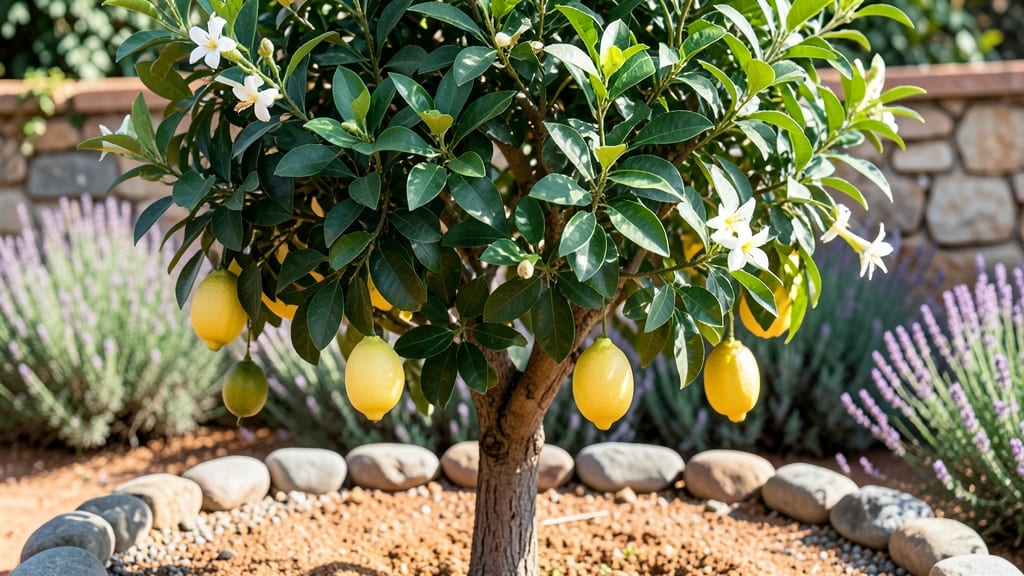
Lemons grow on trees, not bushes—they're woody citrus perennials (Citrus × limon) that reach 8–15 feet tall with thorny branches and glossy evergreen leaves. Their tree structure supports heavy fruit loads and requires regular pruning to maintain health and productivity.
Lemons belong to the tree category because their botanical classification as woody perennials means they develop a single main trunk that branches upward. 🌳 Unlike bush varieties, which grow low and wide, lemon trees need vertical space to support their fruit clusters—each tree can produce 200–400 lemons annually when properly cared for.
The thorny branches aren't just for defense; they help channel nutrients to the fruit during growth.
What makes this especially interesting is how their growth habits differ from dwarf citrus varieties. While dwarf lemons (grafted onto compact rootstock) can fit in containers, they're still technically trees—they just stay smaller.
The key distinction lies in their perennial woody structure, which sets them apart from true shrubs that grow in multiple stems from the base.
💡 In This Article
- Citrus Tree Anatomy: Why Lemons Need Trees
- Growing Lemon Trees: Essential Care for Home Gardeners
Citrus tree anatomy: why lemons need trees
Lemons grow on trees because they're classified as woody perennials in the Citrus × limon species, which means their stems develop thick, rigid bark over time. This woody structure isn't just for show—it provides the necessary support for their heavy fruit loads, which can reach 1-2 pounds per lemon.
The tree's vertical growth habit allows sunlight to penetrate lower branches, maximizing photosynthesis for fruit development. 🌿 Unlike shrubs that grow in multiple stems from the base, lemon trees develop a single main trunk that branches upward, creating a canopy that can spread 8-12 feet wide at maturity.
The thorny branches you'll notice on lemon trees serve multiple purposes beyond defense. These modified stems contain vascular bundles that help transport water and nutrients more efficiently to the fruit clusters.
Scientifically, these thorns are a form of heterophylly—a plant adaptation where different leaf forms (in this case, thorns) develop in response to environmental conditions. The thorns also create microclimates around the fruit, reducing water loss through transpiration during hot climates where lemons thrive best.
What sets lemon trees apart from bush varieties is their perennial growth habit. While both produce fruit annually, lemon trees continue growing year-round in warm climates, whereas many bush varieties have dormant periods.
The tree structure allows for better air circulation, which is crucial for preventing fungal diseases like citrus canker that can affect the fruit's surface.
This vertical growth also makes it easier to harvest lemons without damaging the plant, as the fruit hangs naturally from the branches rather than growing close to the ground.
When comparing lemon trees to dwarf citrus varieties, you'll notice the same botanical structure—just on a smaller scale. Dwarf lemons still grow as trees because they're grafted onto compact rootstock, not because they're naturally bush-like.
The key difference is in their root system: standard lemon trees develop deep taproots that access groundwater, while dwarf varieties have shallower fibrous roots that make them better suited for container growing. This explains why you can grow dwarf lemons in pots while standard varieties need in-ground planting.
The glossy evergreen leaves you see on lemon trees are another adaptation that supports their tree growth. These leaves contain high concentrations of citral and limonene, compounds that give lemons their signature aroma and also act as natural fungicides.
The thick, waxy leaf surface reduces water loss, allowing the tree to thrive in arid conditions where many other citrus varieties would struggle. This combination of woody structure, thorny branches, and specialized leaves creates the perfect environment for lemon production.
What most people don't realize is how the tree's vascular system works to distribute nutrients during fruit development. The phloem tissue transports sugars produced through photosynthesis down to the developing lemons, while the xylem carries water and minerals up from the roots.
This two-way system ensures each lemon gets the nutrients it needs to reach maturity—typically 6-12 months after flowering. The tree's height allows this complex nutrient distribution to happen efficiently across hundreds of potential fruit clusters.