
Light Requirements
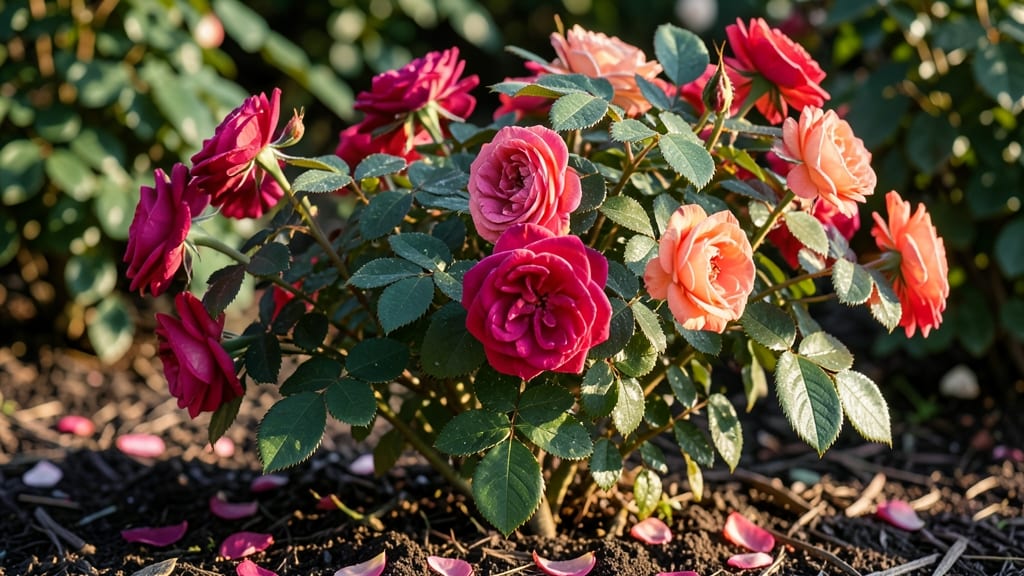
Do rose bushes like full sun? The answer is a resounding yes—that’s the secret to vibrant blooms and lush growth 🌹 — but not all gardeners know exactly how much light they need to thrive.
If you’ve ever wondered why your rose bushes aren’t blooming as expected, the answer might lie in their sunlight exposure. Too little sun means fewer flowers, while too much can stress the plant. Finding the right balance is key to keeping your roses happy and healthy.
Most roses need at least 6 hours of direct sunlight daily, but some varieties can handle even more. Whether you’re dealing with hybrid teas, floribundas, or climbers, understanding their light needs will help you position them perfectly in your garden.
In this guide, I’ll break down the ideal sunlight exposure for roses, how to spot signs of too much or too little sun, and practical tips to adjust their care for peak blooms all season long.

How many hours of full sun do rose bushes really need?
Rose bushes are famous for their vibrant blooms and fragrant petals, but their beauty starts with sunlight. While most roses love full sun, not all varieties have the same needs.
Understanding your rose type’s light requirements is key to maximizing blooms and plant health. Hybrid teas and floribundas, for example, crave 6 to 8 hours of direct sunlight daily, while climbers and shrub roses can adapt to slightly less.
Let’s break down the specifics so you can position your roses for success.
First, clarify what full sun means in gardening terms. It doesn’t mean 24/7 sunlight—rather, it refers to 6 or more hours of direct sunlight per day. Morning sun is gentler, while afternoon sun can be intense, especially in hot climates.
If your roses are struggling, it might not be enough light, but it could also be too much shade or poor air circulation. The goal is finding that sweet spot where your roses get enough energy to thrive without stress.
Here’s a quick reference to help you match your rose variety with the right sunlight exposure:
| Rose Variety | Sunlight Needs | Bloom Impact | Shade Tolerance |
|---|---|---|---|
| Hybrid Teas | 6-8 hours of full sun | Large, dramatic blooms; fewer flowers in less light | Poor; leggy growth, sparse blooms |
| Floribundas | 6 hours minimum | Clustered blooms; reduced flowers in partial shade | Moderate; smaller blooms with less light |
| Climbing Roses | 6-8 hours (morning sun preferred) | Healthy canes; fewer blooms in deep shade | Better than hybrid teas; thinner canes in low light |
| Shrub Roses | 5-6 hours (more flexible) | Compact growth; smaller blooms in shade | Good; hardier in partial shade |
| English Roses | 6 hours (afternoon shade helps) | Fragrant blooms; prolonged season with good light | Moderate; avoid hot afternoon sun |
Now that you know the basics, let’s talk about how to measure sunlight in your garden. Use a sunlight tracker or a simple DIY method: Place a white board or piece of paper where you plan to plant your roses. Mark the sun’s shadow every hour for a week.
If the shadow disappears for 6+ hours, that spot gets full sun. If it’s shaded for more than 4 hours, it’s partial shade. This method helps you avoid guesswork and ensures your roses get the right conditions.
For gardeners in hot climates, afternoon shade can prevent leaf scorch, especially for hybrid teas and floribundas. A light dappling of shade from a nearby tree or lattice can work wonders.
In cooler climates, roses can handle more direct sun, but morning sunlight is ideal to dry dew quickly and prevent fungal diseases like black spot. Always prioritize well-draining soil and proper spacing to help roses thrive in their sunlight zone.
If your roses are already planted and you’re unsure about their light exposure, observe their growth patterns. Leggy stems and fewer blooms often signal insufficient light, while yellowing leaves or burnt edges may mean too much harsh afternoon sun.
Adjust their position gradually—moving them too quickly can shock the plant. Start with 2-3 hours more sun per day and monitor their response over a few weeks.
Another pro tip: Mulch around your roses to retain moisture and regulate soil temperature. Organic mulch like wood chips or straw also improves soil health, which indirectly supports better light absorption. Pair this with a balanced fertilizer (like 10-10-10) in early spring to encourage strong, sun-loving growth.
Remember, roses are heavy feeders, so they’ll reward you with lush foliage and abundant blooms when given the right conditions.
Finally, don’t overlook the role of seasonal adjustments. In summer, roses in full sun may need extra water to prevent stress, while winter can reduce their light needs slightly. Prune in late winter or early spring to shape the bush and encourage new growth toward the sun.
With the right light exposure, your roses will bloom like never before and become the star of your garden. 🌹
Signs your rose bushes aren’t getting enough sun (and how to fix it)
If your rose bushes are producing fewer blooms than usual or their leaves look pale and leggy, insufficient sunlight might be the culprit. Roses are sun-lovers, but many gardeners unintentionally place them in partial shade without realizing it.
Understanding the warning signs can help you adjust their environment before it’s too late.
One of the first clues is sparse or weak blooms. Roses need 6+ hours of direct sunlight daily to produce abundant flowers. When deprived, they may only develop a handful of small, underwhelming blooms.
Additionally, stems may appear thin and weak, struggling to support the plant’s weight, which is another red flag.
🌹
⚠️ Warning: Roses Need Full Sun!
Rose bushes require 6-8 hours of direct sunlight daily for optimal growth. Without enough light, they become prone to disease, produce fewer blooms, and develop weak stems. Even partial shade can reduce their vigor by up to 50%.
💡 Quick Fix: Move your rose bushes to a sunnier spot or trim nearby trees/shrubs blocking light. If relocating isn’t possible, consider grow lights for supplemental illumination.
Another telltale sign is yellowing or pale leaves. When roses don’t get enough sunlight, they stretch toward light sources, a condition called etiolation. This results in long, weak stems with small, sparse leaves that lack the deep green color of healthy foliage.
If you notice this, your roses are likely light-deprived.
To fix these issues, start by moving your rose bushes to a sunnier location. If your garden lacks full-sun spots, consider pruning nearby trees or shrubs that might be casting shade. For container-grown roses, place them on a south-facing patio or balcony where they can soak up maximum sunlight.
If relocating isn’t an option, supplemental grow lights can help. LED grow lights placed 12-18 inches above the plants for 4-6 hours daily can mimic natural sunlight. This is especially useful for indoor roses or those in shaded courtyards. Just ensure the lights are full-spectrum to support healthy growth.
Finally, adjust your pruning habits to encourage stronger growth. When roses lack sunlight, they focus energy on survival rather than blooming. Prune back overly leggy stems to redirect energy to healthier growth. Focus on opening the center of the bush to improve airflow and light penetration.
☀️