
Light Requirements
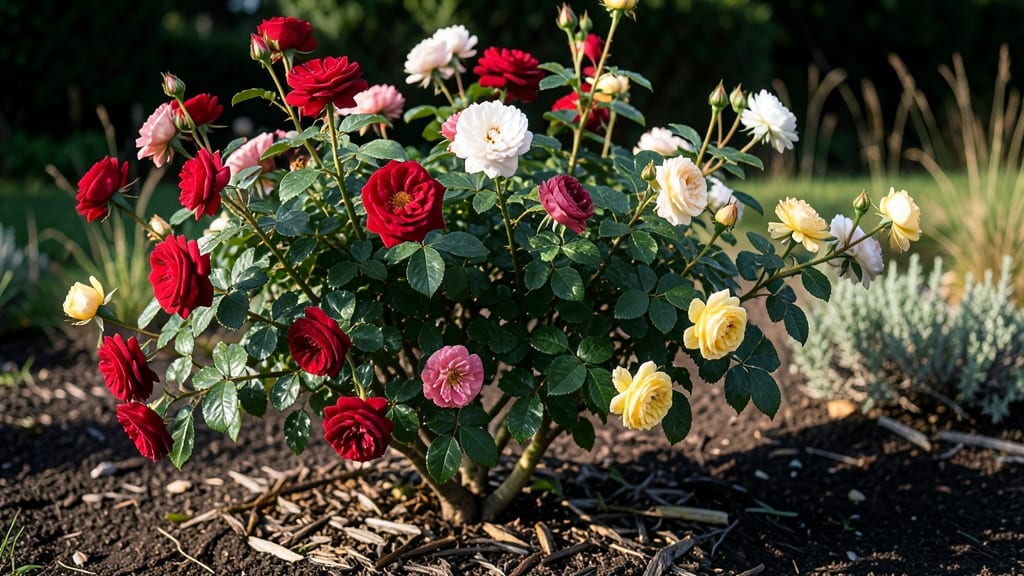
Do rose bushes need a lot of sunlight? Absolutely—they thrive with at least 6 hours of sunlight daily for those vibrant blooms and healthy stems you dream of.
Wondering why your 🌹 aren’t blooming as much as you’d hoped? Sunlight might be the missing puzzle piece—getting it right can mean the difference between sparse stems and a lush, fragrant garden showstopper.
Most roses love full sun, but the right amount depends on your climate and rose type. Hybrid teas and floribundas need the most light, while some shrub roses can handle partial shade in hotter zones.
Below, I’ll break down how to tell if your roses are getting just enough (or too much) sunlight, plus smart ways to adjust their spot for the best results all season.
 Best Window Placement
How many hours of sunlight do rose bushes actually need?
If you’ve ever wondered why your rose bushes seem to struggle with blooming or growth, sunlight is likely the culprit.
While roses are often called sun-loving plants, not all varieties thrive under the same conditions. Hybrid teas and floribundas demand full sun, while climbing roses or shrub roses might tolerate partial shade. The key is understanding your specific rose type and adjusting placement accordingly.
Most gardeners assume 6+ hours of sunlight is the golden rule for roses, but regional climates and rose varieties complicate things. In hot, dry climates, afternoon shade can prevent leaf scorch, while cool, northern gardens may require more sun exposure to encourage blooming.
Let’s break down the exact sunlight needs for each rose type and how to calculate exposure in your garden.
Sunlight needs vary by rose type, and getting it wrong can lead to weak stems, sparse blooms, or even plant decline. For example, hybrid teas—the classic cut-flower roses—require 6 to 8 hours of direct sun to produce their showstopping blooms. On the other hand, climbing roses might do well with 4 to 6 hours, especially if they’re trained on a trellis that provides some natural shade.
| Rose Type | Sunlight Needs | Best Placement | Notes |
|---|---|---|---|
| Hybrid Teas | 6–8 hours | South or west-facing | Needs full sun for large blooms |
| Floribundas | 5–6 hours | East or south-facing | Tolerates slight shade but blooms best in sun |
| Climbing Roses | 4–6 hours | Trellis near fence/wall | Partial shade helps in hot climates |
| Shrub Roses | 4–5 hours | North or east-facing | More shade-tolerant; great for borders |
Calculating sunlight exposure in your garden isn’t just about hours—it’s about quality of light. Use a sunlight calculator or observe your garden from 6 AM to 8 PM for a week. Note which areas get direct sunlight (no shadows) versus dappled shade (filtered light through trees).
For example, a south-facing garden in the U.S. will get more intense sunlight than an east-facing one, especially in summer.
In hot climates like Arizona or Texas, roses often suffer from leaf burn if exposed to afternoon sun (1 PM–5 PM). To fix this, plant roses where they receive morning sun and afternoon shade from a trellis, wall, or nearby tree.
In cooler climates like the Pacific Northwest, roses may need full sun exposure to compensate for shorter daylight hours and overcast skies.
If you’re unsure whether your roses are getting enough light, check their growth patterns. Leggy stems and few blooms are classic signs of insufficient sunlight, while yellowing leaves or crispy edges indicate too much sun.
Adjusting placement or using reflective mulch (like white gravel) can help optimize sunlight without moving the plant entirely.
For container-grown roses, mobility is your friend. Rotate pots every few weeks to ensure even sunlight exposure on all sides.
This is especially useful if your balcony or patio only gets sun in the morning or afternoon. Dwarf roses in containers may need slightly less sun (4–5 hours) compared to their bush counterparts, but they still crave plenty of light.
Pro tip: Group roses with similar sunlight needs together in your garden layout. For instance, place hybrid teas near the center of a south-facing border and shrub roses along the north side where they’ll get partial shade from taller plants.
This creates a microclimate that maximizes blooms while minimizing stress on your roses.
Remember, roses are adaptable, but they won’t thrive if pushed too far outside their ideal range. Start with the sunlight needs for your specific rose type, monitor their response, and adjust gradually. With the right light, your roses will reward you with vibrant blooms all season long. 🌹
Signs your roses aren’t getting enough (or too much) sunlight
Your rose bushes might be silently screaming for help if they’re not getting the right amount of sunlight. Too little sun leads to weak growth and sparse blooms, while too much can scorch delicate leaves.
Learning to read these visual cues will help you adjust their care before it’s too late.
Start by checking the leaves—if they’re pale, yellow, or stretching toward light, your roses are begging for more sun exposure. On the flip side, crispy edges or brown patches mean they’re getting too much direct sun, especially in hot afternoons.
These signs help you diagnose the issue quickly.
Sunlight Needs for Roses
✅ DO: Provide Full Sun
- 6+ hours/day for hybrid teas and floribundas
- Use reflective mulch to boost light in shady spots
- Adjust pruning to open canopy for better airflow
❌ DON’T: Overdo Direct Sun
- Avoid afternoon sun in hot climates (12-4 PM)
- Skip dappled shade for young plants in summer
- Don’t ignore leaf burn signs (brown edges)
🌹 Balanced sun = Thriving roses!
Weak stems and leggy growth are classic signs of sun deprivation. Your roses might be reaching upward like they’re trying to escape a dark basement. Move them to a sunnier spot immediately—even a few extra hours of light can make a dramatic difference in just weeks.
Poor blooming is another red flag. If your roses produce fewer flowers than expected or buds drop before opening, they’re likely not getting enough sunlight. Roses need energy from sunlight to produce blooms, so this is a direct sign they’re struggling to photosynthesize properly.
For too much sun, watch for leaf burn—crispy, brown edges on leaves that stay green in the center. This often happens when roses get blasted with midday sun without enough hydration. Provide afternoon shade with a lightweight shade cloth or relocate them slightly to avoid the harshest rays.
Adjusting their care based on these signs is simple: move them closer to sunlight if they’re stretching, or provide shade if they’re scorching. With the right balance, your roses will reward you with vibrant blooms all season long. 🌿