
Shrubs
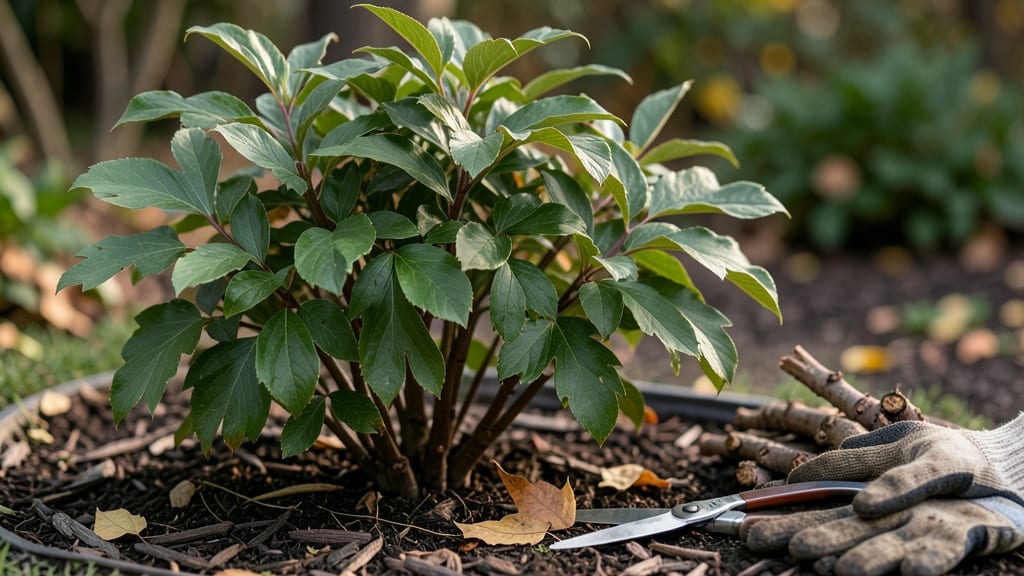
Cutting peony bushes back in fall is a mistake that robs next year’s blooms before they even form. ✂️ The misconception that dormant plants need fall pruning leads to stunted growth—peonies store energy in their roots for spring, and aggressive cuts trigger stress.
What you should do instead is wait until late winter or early spring, when new growth signals the plant’s readiness.
Here’s the truth: peonies bloom on new wood, meaning last year’s stems carry next season’s buds. Cutting them back in autumn removes those buds entirely, leaving you with sparse or no flowers. The exception?
Light cleanup of dead foliage after the first hard frost, but never more than a third of the plant’s height. This small step prevents disease while preserving the buds hidden beneath the leaves.
When you prune at the right time—March or April—you’ll see robust, bushy growth by summer, with flower stalks emerging thick and strong. The key is patience: resist the urge to tidy up in fall, and you’ll be rewarded with lush, repeat-blooming peonies that thrive for decades.
Even a single late-winter cut encourages healthier stems and bigger blooms.
Regional differences matter: in warmer zones (7-9), wait until late winter when new shoots appear; in colder climates (3-6), prune in early spring to avoid frost damage. The goal is always the same—preserve those hidden buds until they’re ready to burst into color.
For more peony care, explore soil prep and staking techniques that extend their lifespan even further.
📚 In This Guide
- What you need
- Instructions
- Tips and common mistakes
- Wrapping up and next steps
What you need
- ● Bypass pruners – Sharp, clean pruners (4-6 inch blades) for precise cuts. Pro tip: Avoid anvil pruners—they can crush stems!
- ● Loppers – For thicker stems (8-10 inch blades) if your peony bush has woody growth.
- ● Garden gloves – Heavy-duty, cut-resistant gloves to protect your hands from thorns and rough stems.
- ● Disinfectant (70% isopropyl alcohol or bleach solution) – To sterilize tools and prevent disease spread.
- ○ Garden twine or plant ties (optional but helpful) – For securing stems if you’re doing extensive pruning.
- ● Compost bin or bag – To collect and dispose of pruned debris properly.
- ● Hand saw – For very thick, stubborn stems that pruners can’t handle.
- ● Knee pads – If your peony bushes are large or the ground is hard to kneel on.
- ● Pruning sealant – To coat large cuts and prevent disease entry (use sparingly).
- ● Marking spray or flags – If you’re unsure which stems to prune and want to label them.
- ● Wheelbarrow or bucket – For hauling away debris efficiently.
When and how to prune peony bushes in fall without killing next year’s blooms
Here's the method I trust to keep peonies thriving—timing is everything to avoid cutting off next season's flowers.
⏰ Step 1: Wait Until After the First Frost
Never prune peonies in fall until after the first hard frost when the foliage turns brown and crispy. This is critical because peony buds for next year's blooms form in the fall, and cutting too early removes those potential flowers. I wait until the stems feel brittle and the leaves have fully browned—usually 4-6 weeks after the first frost.
If you prune too early, you risk removing next year's flower buds before they've fully developed. The buds form on the current year's growth, so any pruning before they're established means fewer blooms next spring. I always check the stems for any lingering green—if they're still green, wait another week.
✂️ Step 2: Cut Back to 2-3 Inches Above the Ground
Use clean, sharp pruners to cut the stems back to 2-3 inches above the ground. This height allows the plant to retain enough energy in the roots for next year's growth while preventing disease by removing old, dead foliage. I make the cut at a slight angle just above a bud or node to encourage new growth from the right spot.
Don't cut too close to the ground—this can damage the crown and reduce the plant's ability to store energy for next year. If you're unsure where the crown is, leave a little extra stem. You'll see the crown as a cluster of thick, woody stems at the base. Avoid leaving stubs longer than 3 inches, as this can harbor pests or diseases over winter.
🌿 Step 3: Remove Any Diseased or Damaged Stems Immediately
While you're pruning, inspect each stem for signs of disease, like black spots, mold, or mushy tissue. Cut out any affected stems completely, using fresh pruners for each cut to avoid spreading disease. I always sterilize my tools with rubbing alcohol between cuts to prevent contamination. Healthy stems should feel firm and dry, not soft or slimy.
If you find any stems with holes, discoloration, or unusual growths, remove them right away. These can spread to other parts of the plant or even to nearby peonies. I toss diseased stems in the trash—not the compost—because pathogens can survive and reinfect the garden. After removing all diseased stems, give the plant a final look to ensure no signs of trouble remain.
🪴 Step 4: Clean Up Debris and Mulch the Base
Rake up all the old foliage and stems from around the base of the peony. Leaving debris can attract pests like slugs or snails, which will munch on new growth in spring. I also remove any weeds growing within a 12-inch radius of the plant, as they compete for nutrients and water. This is the perfect time to refresh the mulch around the base with 2-3 inches of organic mulch, like shredded bark or straw.
Mulching helps insulate the roots during winter and keeps the soil moist during dry spells in spring. Just be careful not to pile mulch directly against the stems—leave a 2-inch gap around the crown to prevent rot. After mulching, give the area a light watering to settle the mulch and help it break down over time. This step sets the stage for a healthy, vibrant peony next season.
☀️ Step 5: Monitor for New Growth in Early Spring
In early spring, before any new shoots emerge, check the base of the peony for signs of life. You'll see tiny green buds pushing through the soil, signaling that the plant is waking up. This is your cue that last fall's pruning was successful. If you see no signs of growth by late March, the plant may need more care—like better drainage or a nutrient boost.
Once new growth appears, avoid disturbing the area around the plant. Peonies are sensitive to root damage, so keep foot traffic away until the foliage is fully established. Water lightly during dry spells, but don’t overdo it—peonies hate soggy roots. By mid-spring, you should see strong, healthy stems ready to produce those stunning blooms you love.
Tips & tricks for perfect fall peony pruning
Timing and technique make all the difference when pruning peonies—here's how to avoid common mistakes that can ruin next year's blooms.
Timing is Everything: The 4-6 week window after the first frost is non-negotiable. I've seen gardeners cut too early and end up with sparse blooms the following spring. Look for stems that feel brittle and leaves that have completely browned—this is your cue that the plant has entered dormancy and flower buds are safely formed. If you're unsure, wait an extra week rather than risk cutting off next year's blooms.
Cutting Technique Matters: When you make that 2-3 inch cut in Step 2, use a clean, sharp pruner and make the cut at a slight angle just above a bud or node. This encourages new growth from the right spot while preventing disease. I've made the mistake of cutting too close to the ground—this damages the crown and weakens the plant. If you're unsure where the crown is, err on the side of leaving a little extra stem rather than cutting too short.
Disease Prevention is Critical: In Step 3, don't overlook the importance of sterilizing your pruners between cuts. I use rubbing alcohol between each cut to prevent spreading disease from one stem to another. Healthy stems should feel firm and dry—anything soft, mushy, or discolored needs immediate removal. Remember to dispose of diseased stems in the trash, not compost, as pathogens can survive and reinfect your garden.
Mulching Strategy: The 2-3 inches of organic mulch in Step 4 isn't just decorative—it's essential for winter protection. Make sure to leave that 2-inch gap around the crown to prevent rot. I've seen peonies suffer from over-mulching where the stems were buried too deeply. A light watering after mulching helps settle everything in place and prepares the soil for spring growth.
Pro Tips for Do You Cut Peony Bushes Back In The Fall
- Timing and technique make all the difference when pruning peonies—here's how to avoid common mistakes that can ruin next year's blooms.
- Timing is Everything: The 4-6 week window after the first frost is non-negotiable.
- Cutting Technique Matters: When you make that 2-3 inch cut in Step 2, use a clean, sharp pruner and make the cut at a slight angle just above a bud or node.
Frequently asked questions
When is the absolute latest I can prune my peonies in fall without harming them?
You can safely prune peonies until the first hard frost—typically by late October or early November in most U.S. zones. Avoid cutting back after the ground freezes, as tender stems may not recover. If you miss fall pruning, wait until early spring (just as new growth appears) to trim dead foliage.
What if I forget to prune my peonies in fall? Can I still do it in winter?
Yes, but only if the ground isn’t frozen. Lightly trim dead foliage in late winter (February–March) to improve airflow, but avoid heavy pruning. Peonies are hardy and can handle missed deadheading, but never prune below the buds—they’re next year’s blooms! Spring is a better backup plan than winter.
Do I need special tools to cut peony bushes back in fall?
No fancy tools required! Use clean, sharp hand pruners or loppers (for thicker stems). Disinfect blades with rubbing alcohol to prevent disease spread. Avoid hedge trimmers—they can damage the crown. A glove helps protect against thorns, and a bucket for clippings keeps your workspace tidy.
Will cutting peonies back in fall make them bloom more next year?
Not necessarily—over-pruning can reduce blooms. The key is selective trimming: Remove only dead/diseased stems and leave 2–3 inches of last year’s growth. Peonies bloom on old wood, so aggressive cuts (below the crown) may starve next year’s flowers. Focus on health, not height!
My peony leaves look yellow and crunchy in fall—should I cut them now or wait?
If leaves are brown, crispy, or diseased, remove them immediately (even in fall) to prevent pests/fungi from overwintering. Healthy green leaves can stay until spring—they protect the crown from temperature swings. Never leave moldy or insect-infested foliage; toss it in the trash (not compost).
Wrapping up and next steps
So, should you cut back your peony bushes in the fall? The answer is a resounding no—unless they’re diseased or dead. 🌸 Preserve those lush stems for winter insulation and next year’s stunning blooms!
Instead, focus on a light trim in late winter or early spring to encourage healthy growth.
Now that you’re armed with the right timing and techniques, grab those pruners and get ready to nurture your peonies like a pro! Want to take it further? Check out our guide on fertilizing peonies for even more vibrant flowers. Happy gardening! 🌱