
Shrubs
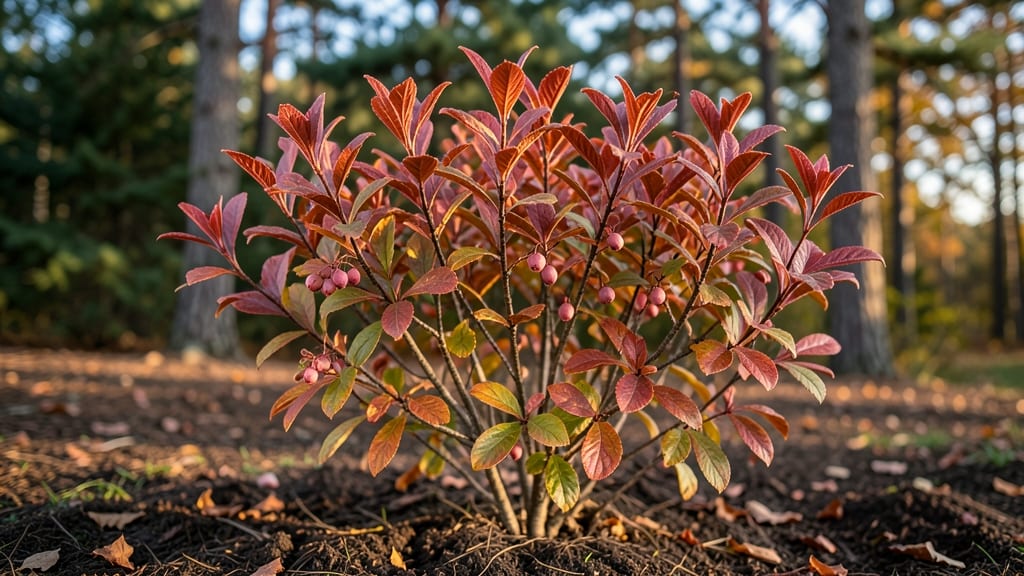
Your dwarf burning bush Compacta could be the most vibrant shrub on the block—if you prune it right. 🌿 The Euonymus alatus 'Compacta' thrives with fragrance-intense pruning that keeps its foliage lush and its growth contained, but most gardeners either over-prune or ignore it entirely.
I’ve learned the hard way that timing and technique make all the difference between a tidy, fragrant hedge and a leggy mess.
This dwarf variety stays under 3 feet tall and wide, making it perfect for borders, foundation plantings, or even container growing. It loves full sun but tolerates partial shade, and its soil needs are simple: well-draining, slightly acidic mix with occasional compost.
Watering is the real secret—deep but infrequent—to encourage strong root development and that signature fall color.
With the right pruning schedule, you’ll unlock year-round vibrancy: bright green leaves in spring, fiery red foliage in fall, and even some winter interest with its peeling bark. The key is pruning right after flowering (late spring) to shape it while preserving next year’s blooms.
I’ve seen this shrub turn from lackluster to showstopper in just one season.
Whether you’re dealing with powdery mildew, leggy growth, or just want to keep it compact, the techniques here work for every climate. Let’s get that burning bush glowing—literally.
📚 In This Guide
- What you need
- Instructions
- Tips and common mistakes
- Wrapping up and next steps
What you need
- ● Pruning shears (bypass or anvil type): Sharp, clean, and sterilized (rubbing alcohol or bleach wipe). Size: 6–8 inches for precision.
- ○ Loppers: For thicker stems (optional but helpful for mature bushes). Size: 12–18 inches with bypass blades.
- ● Hand pruners (felco or similar): For delicate trimming. Quantity: 1 pair (keep them well-oiled!).
- ● Garden gloves: Heavy-duty (nitrile-coated) to protect from thorns and sap.
- ● Disinfectant (10% bleach solution or hydrogen peroxide): 1:9 ratio (bleach:water) for sterilizing tools between cuts.
- ● Trash bag or bucket: For clippings (20–30 gallon capacity).
- ● Pruning saw: For stubborn, woody stems (if your bush is overgrown).
- ● Extension pole: For high branches (3–6 ft, with a pruner attachment).
- ● Mulch (pine straw or shredded bark): 2–3 inches to protect roots post-pruning.
- ● Plant food (balanced fertilizer, 10-10-10): 1–2 lbs to revive the bush after trimming.
- ● Safety glasses: If your bush is dense or thorny.
- ● Weather: Prune on a dry, overcast day (avoid midday sun to reduce stress on the plant).
- ● Timing: Best done in late winter or early spring (before new growth starts).
- ● Safety check: Wear closed-toe shoes and avoid loose clothing near thorns!
Step-by-Step pruning for dwarf burning bush Compacta
Here's how to keep your Compacta vibrant—with fragrance and color all year.
✂️ Step 1: Time Your First Spring Pruning Perfectly
Wait until late winter or early spring, just as new growth begins to swell on the stems. This is your cue—pruning too early risks damaging buds that haven't opened yet. I look for the first 1/4-inch green tips emerging from the stems, usually in February or March depending on your climate zone.
Use sharp, clean pruners to remove 1/3 of the oldest stems at the base. These are the ones that turn woody and lose their vibrant color first. Cut just above a healthy outward-facing bud—this ensures new growth will fill in the space nicely. The goal here is to encourage fresh, fragrant foliage while maintaining the compact shape.
✂️ Step 2: Shape and Thin for Airflow in Early Summer
About 6-8 weeks after spring pruning, when the plant has filled out with new growth, it's time to refine its shape. I step back and look for areas where branches are too dense—these are prime spots for thinning cuts. Remove any crossing or rubbing branches first, as these create wounds that attract pests and disease.
For the Compacta's signature compact form, I gently taper the plant by cutting back the longest stems by 1/3 to 1/2. Always cut just above a leaf node or bud, and avoid leaving stubs. The plant will respond by branching out more densely, which means more fragrance and those signature red stems. Water deeply after pruning to help the plant recover quickly.
✂️ Step 3: Light Maintenance Pruning for Fall Color
As summer winds down, focus on deadheading spent flowers and removing any stems that have lost their vibrant color. I look for branches that have turned dull brown or lost their red hue—these are ready to go. Cut them back to a healthy green section or bud, which will encourage new growth that will turn brilliant red in fall.
This is also the time to shape the plant for winter. Lightly trim any stems that have grown too leggy or are spoiling the compact form. Avoid heavy pruning now—you want the plant to enter dormancy strong. A light layer of mulch around the base (about 2-3 inches deep) will protect roots from freezing temperatures and retain moisture for spring.
✂️ Step 4: Minimal Winter Pruning for Spring Renewal
If your climate gets below 0°F, wait until late winter to do any final pruning. This is just a quick check to remove any dead, broken, or diseased branches. I look for stems that are completely black or hollow—these won't recover. Cut them out completely at the base, and dispose of them in the trash, not the compost.
Resist the urge to prune heavily now. The plant needs all its energy to recover from winter. Instead, focus on clearing away any debris around the base. This reduces the risk of fungal diseases and pests overwintering. Once you see those first green tips in early spring, you're ready to start the cycle again with Step 1.
Tips & tricks for perfect dwarf burning bush Compacta pruning
These pro-level insights will help you maintain that signature fragrance and vibrant color—without the common pitfalls.
Timing Secret: The 6-8 week window after spring pruning (Step 2) is your best opportunity to shape the plant while it's actively growing. If you miss this, the plant will become too dense and lose its compact form. I always mark my calendar with the original spring pruning date to remember when to step in for summer shaping.
Tool Technique: Never use dull pruners—they crush stems instead of making clean cuts, which invites disease. I keep a pair of bypass pruners dedicated just to my Compacta, sharpened annually. For thicker stems, I switch to loppers, but always make cuts at a 45-degree angle to prevent water pooling on the wound.
Visual Cue: When deadheading spent flowers in Step 3, look for stems that have lost their red hue and turned dull brown. These are your targets—cut them back to a healthy green section or bud. The contrast between vibrant red and dull brown is your clear signal that pruning is needed. This simple visual check prevents over-pruning.
Winter Prep: That 2-3 inch mulch layer in Step 3 isn't just about insulation—it's also about moisture retention. I always use shredded bark mulch because it breaks down slowly and adds organic matter to the soil. In colder climates below 0°F, I double-check that mulch is still intact before spring arrives.
Pro Tips for Dwarf Burning Bush Compacta
- These pro-level insights will help you maintain that signature fragrance and vibrant color—without the common pitfalls.
- Timing Secret: The 6-8 week window after spring pruning (Step 2) is your best opportunity to shape the plant while it's actively growing.
- Tool Technique: Never use dull pruners—they crush stems instead of making clean cuts, which invites disease.
Frequently asked questions
How often should I prune my Dwarf Burning Bush Compacta?
Prune your Euonymus alatus 'Compacta' lightly in late winter or early spring to shape it and remove dead branches. For year-round vibrancy, a light trim after each flowering season (fall or early winter) keeps it tidy. Avoid heavy pruning—this shrub thrives on natural form! Learn more about timing.
Why are the leaves turning brown or yellow?
Brown or yellow leaves can signal overwatering, underwatering, or fungal issues. Check soil moisture—it should stay evenly moist but well-drained. If spots appear, prune affected areas and apply neem oil or fungicide. Read our guide on common shrub diseases.
Can I grow Dwarf Burning Bush Compacta in containers?
Yes! This compact shrub adapts well to 15–20 gallon containers with drainage holes. Use a loamy, well-draining potting mix and repot every 2–3 years. Place in full sun to partial shade and water when the top inch of soil dries out. Container care tips here.
Is Dwarf Burning Bush Compacta cold-hardy?
This shrub thrives in USDA Zones 4–8, handling winter temps down to -30°F (-34°C). For extra protection in colder zones, mulch the base with 2–3 inches of organic material (like shredded bark) in late fall.
What are good alternatives if I want a low-maintenance shrub?
If pruning feels like too much work, consider these low-maintenance alternatives:
- Dwarf Fothergilla – Fragrant spring blooms, compact size.
- Boxwood 'Green Mountain' – Evergreen, disease-resistant.
- Abelia 'Kaleidoscope' – Thrives in sun/partial shade.
Wrapping up and next steps
The Dwarf Burning Bush Compacta is a stunning, low-maintenance shrub that rewards your gardening efforts with vibrant foliage and a fragrant touch of nature.
With the right pruning techniques and care, you can enjoy its beauty year-round—whether it’s the fiery fall hues or the fresh green of spring. Ready to elevate your garden? Grab your pruners, follow the steps you’ve learned, and watch this compact shrub thrive!
Next steps:
- 🌱 Schedule your first pruning session in early spring.
- 📅 Mark your calendar for fall maintenance.
- 💬 Share your progress with fellow gardeners—inspiration spreads!